Top 8 Toxic Foods Hiding in Your Home
Common Household Foods with Hidden Dangers
As a home cook, you may believe you know what’s safe to eat in your kitchen. However, some of the most common foods found in fridges and pantries can contain naturally occurring toxins that are harmful if consumed in large amounts or in specific ways. While these substances are generally not a concern for most people, understanding their potential risks can help ensure safer cooking practices.
Apple Seeds: A Hidden Cyanide Threat
Apple seeds might seem harmless, but they contain a compound called amygdalin, which can release cyanide when chewed or crushed. This substance is only dangerous if consumed in large quantities, as it requires breaking the hard seed coating to be released. Eating a few apple seeds occasionally is unlikely to cause harm, but consuming them regularly — such as in smoothies made with whole apples — could lead to small amounts of cyanide being produced. To avoid any risk, it’s best to remove the seeds before blending or eating apples.
Raw Kidney Beans: A Lectin Risk
Kidney beans are a nutritious source of plant-based protein, but they must be cooked thoroughly before consumption. They contain a compound called phytohaemagglutinin, a type of lectin that can cause severe digestive issues if eaten raw. Just a few raw kidney beans can trigger symptoms like nausea and vomiting. Cooking the beans at high temperatures destroys the toxin, making them safe to eat. It’s important to note that slow cookers may not reach the necessary temperature to eliminate the compound, so boiling them first is recommended.
Elderberries: A Potential Cyanide Source
Elderberries are often used in remedies for colds and flu, but consuming them raw can be risky. The berries contain compounds that can produce cyanide, similar to apple seeds and bitter almonds. Additionally, the leaves and stems of the elderberry plant have higher concentrations of these toxins. Cooking the berries eliminates the risk, making them safe to consume in jams or syrups. However, pregnant individuals should avoid elderberries altogether due to potential health concerns.
Rhubarb Leaves: A High Oxalic Acid Risk
Rhubarb is commonly used in desserts, but its leaves are toxic due to high levels of oxalic acid. Consuming large amounts of rhubarb leaves can lead to kidney stones and other health issues. While it would take over 5 pounds of leaves to cause serious harm, even smaller amounts can cause discomfort like vomiting and diarrhea. Always remove the leaves before preparing rhubarb, as they add a bitter taste and pose no culinary benefit.
Cherry Pits: Another Source of Cyanide
Cherry pits also contain amygdalin, which can release cyanide when chewed or crushed. However, the amount needed to cause harm is extremely high, and most people wouldn’t consume enough to be at risk. Unless someone is intentionally adding cherry pits to smoothies, the danger is minimal. As long as the pits are removed before eating, there is little cause for concern.
Nutmeg: A Spicy Hallucinogen
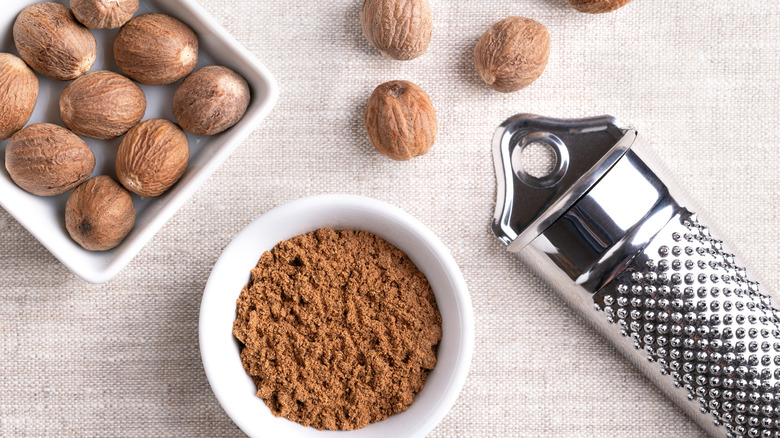
Nutmeg is a popular spice used in both sweet and savory dishes, but it contains myristicin, a compound that can cause hallucinations, dizziness, and nausea when consumed in large amounts. Two teaspoons of nutmeg have been reported to cause toxicity, though this is an unusually high quantity. Most recipes use only a pinch, making poisoning rare. However, chewing on whole nutmeg seeds or consuming excessive amounts could lead to adverse effects.
Raw Oysters: A Bacterial Hazard
Raw oysters are a delicacy, but they carry a risk of infection from the bacterium Vibrio. These shellfish filter water, which can include harmful bacteria. Eating raw oysters increases the chance of contracting vibriosis, a potentially severe illness. The risk is highest during warmer months when the bacteria thrive. Cooking oysters thoroughly is the safest option, but if consuming them raw, it’s advisable to limit intake to cooler months and monitor for symptoms like vomiting and diarrhea.
Bitter Almonds: A Toxic Alternative
Bitter almonds differ from the sweet almonds commonly sold in stores. They contain higher levels of amygdalin, which can release cyanide when ingested. Consuming just a few bitter almonds can cause nausea, fever, and dehydration. These almonds are typically not sold for direct consumption, and most products containing almond flavoring use processed versions that are safe. As long as you stick to commercially available almond products, the risk of poisoning is low.

Post a Comment for "Top 8 Toxic Foods Hiding in Your Home"
Post a Comment