Three-Person DNA Technique Leads to Healthy Baby Birth in Britain
Breakthrough in Reproductive Medicine
A significant advancement in reproductive medicine has led to the birth of eight healthy babies in Britain. This development was made possible by an experimental technique that incorporates DNA from three individuals, allowing mothers to avoid passing on rare and devastating diseases to their children. Researchers have been working on this method for several years, aiming to provide a safer alternative for families at risk of transmitting genetic disorders.
Most of our DNA resides in the nucleus of our cells, which is responsible for determining our traits and characteristics. However, there is also a small amount of DNA found outside the nucleus, within structures called mitochondria. These mitochondrial DNA mutations can lead to severe health issues in children, such as muscle weakness, seizures, developmental delays, and even organ failure. While standard in vitro fertilization (IVF) procedures often detect these mutations, there are cases where it remains unclear whether they are present.
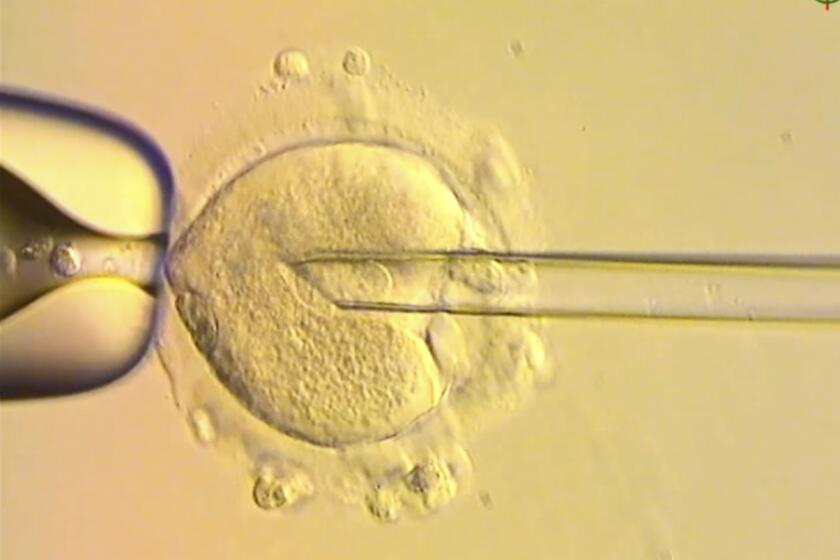
To address this challenge, scientists have developed a technique that involves using healthy mitochondria from a donor egg. This method allows for the transfer of genetic material from the mother’s egg or embryo into a donor egg that has been stripped of its main DNA. The result is an embryo that contains genetic material from three people: the mother, the father, and the mitochondrial donor. This approach required a legal change in the United Kingdom in 2016, making it permissible under specific conditions.
The latest research, published in the New England Journal of Medicine, highlights the success of this technique. Scientists from Newcastle University in Britain and Monash University in Australia reported that they used the method on 22 patients, resulting in eight healthy babies who appear free from mitochondrial diseases. One woman is still pregnant, and further monitoring will be conducted as the babies grow.
Dr. Zev Williams, director of the Columbia University Fertility Center, described the development as an important milestone. He emphasized the significance of expanding reproductive options, enabling more couples to pursue safe and healthy pregnancies. The technique has also gained approval in Australia but remains restricted in many other countries, including the United States.
Experts involved in the study noted that while the embryos contain DNA from three sources, the contribution from the mitochondrial donor is minimal—less than 1% of the total genetic material. Robin Lovell-Badge, a scientist at the Francis Crick Institute, pointed out that this small amount of DNA does not influence any physical traits of the child. He compared it to a bone marrow transplant, where a person may have more DNA from another individual without experiencing any noticeable effects.
In the UK, all couples seeking to use donated mitochondria must receive approval from the country’s fertility regulator. As of this month, 35 patients have been authorized to undergo the procedure. Despite the promising results, some critics have raised concerns about the long-term impact of such techniques on future generations.
In the United States, pronuclear transfer, the method used in this process, is not permitted for clinical use due to regulatory restrictions. Dr. Williams noted that the decision to allow such techniques depends on ongoing scientific, ethical, and policy discussions. Congress has included provisions in annual funding bills that prohibit the FDA from accepting applications for clinical research involving heritable genetic modifications.
For families affected by mitochondrial diseases, this breakthrough offers new hope. Liz Curtis, whose daughter Lily died from the condition in 2006, now works with other families to raise awareness and support research. She described the diagnosis as devastating and emphasized the importance of this development for families with limited options.
As the field of reproductive medicine continues to evolve, the potential benefits of this technique could extend to many families facing similar challenges. While the technology is still in its early stages, the success of this method represents a significant step forward in the fight against inherited genetic diseases.

Post a Comment for "Three-Person DNA Technique Leads to Healthy Baby Birth in Britain"
Post a Comment