This Popular Med Is 'The Most Dangerous OTC Drug,' Doctors Say
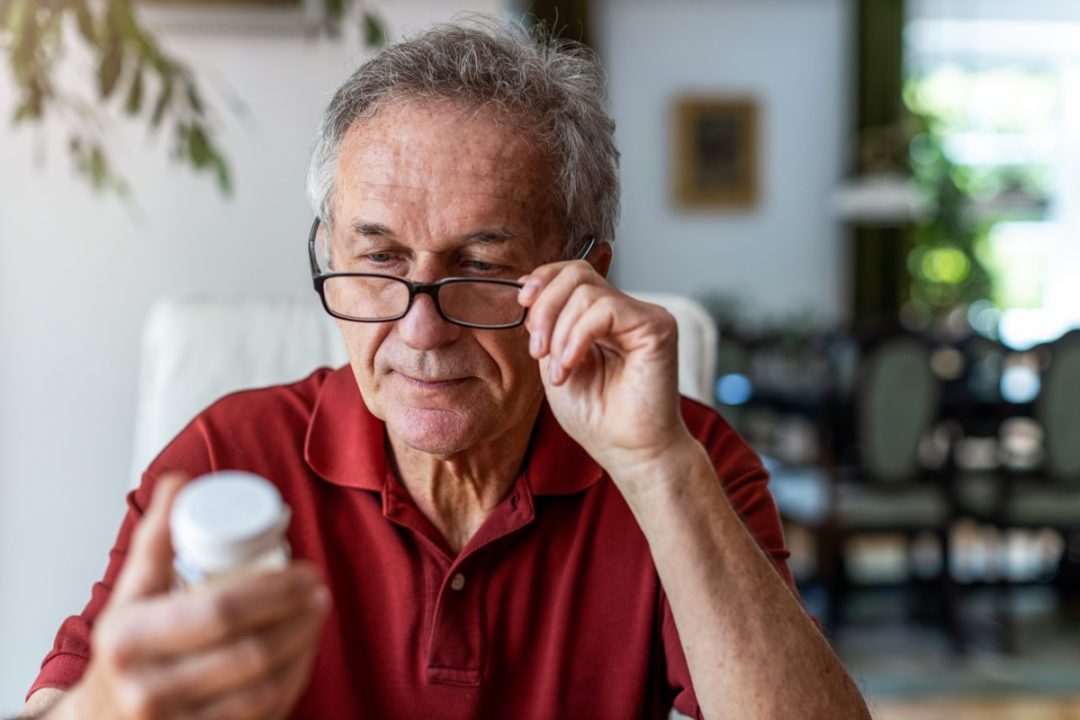
Understanding the Risks of Over-the-Counter Medications
Over-the-counter (OTC) medications are often seen as a convenient solution for minor health issues. They can be found in the same aisle as everyday items like shampoo and bandages, making them easily accessible. However, this convenience comes with potential risks that many people overlook. Self-medication, including the use of OTC drugs and previously prescribed medications taken without a physician's guidance, is a growing public health concern.
A 2014 study published in the journal Drug Safety highlights the dangers associated with self-medication. The study emphasizes that while these drugs are available without a prescription, they still carry significant health risks if not used properly. This underscores the importance of understanding the potential consequences of using OTC medications.
The Most Dangerous OTC Drug According to Experts
Among the various OTC medications available, one stands out as particularly concerning: Tylenol. This medication, known for its active ingredient acetaminophen, is widely used for pain relief and fever reduction. It generates billions in annual sales and is commonly found in households across the country. Acetaminophen is also present in numerous other medications, such as decongestants and cough syrups.
Despite its popularity, experts warn that acetaminophen is linked to over half of all cases of acute liver failure in the United States. The Mayo Clinic states that taking too much acetaminophen is the most common cause of acute liver failure. This condition can occur after a single large dose or from consistently exceeding the recommended daily dosage over several days.
John Brems, MD, a professor of surgery at Loyola University in Chicago, has emphasized the dangers of acetaminophen. He told ABC News that it is likely the most dangerous OTC drug in the country. His warning highlights the need for greater awareness and caution when using this medication.
The Consequences of Tylenol Overdoses
The risks associated with Tylenol overdoses may be more widespread than many realize. A 2004 study published in the journal Hepatology reported that acetaminophen-based drugs like Tylenol lead to over 100,000 calls to poison centers, 60,000 emergency-room visits, 2,500 longer-term hospital stays, and hundreds of deaths annually in the U.S.
While Tylenol is heavily marketed for its safety, the study notes that its risks are well-documented. The Food and Drug Administration acknowledges the benefits of these medications but questions whether the level of injury and death is acceptable for an OTC drug. This raises important concerns about the balance between convenience and safety when it comes to self-medication.
Factors That Increase Risk
Certain factors can heighten the risk of an adverse reaction to Tylenol. These include taking more than the recommended dosage, mixing it with other medications that could cause interactions, being allergic to any of its ingredients, or consuming it with alcohol.
Brems noted that mixing Tylenol with alcohol is the most common cause of life-threatening reactions. He shared that he frequently treats patients who have combined the two, leading to severe liver damage. In his experience, three to four patients per year require liver transplants, and two to three die before they can receive one.
Steps to Stay Safe
To minimize the risks associated with OTC medications, it is always wise to consult with a healthcare provider before starting any new treatment, even if the medication is available without a prescription. This is especially important for individuals with pre-existing health conditions or those taking other medications.
Understanding the potential dangers of OTC drugs like Tylenol is crucial for making informed decisions about your health. By being aware of the risks and taking necessary precautions, you can help protect yourself and others from serious adverse effects.

Post a Comment for "This Popular Med Is 'The Most Dangerous OTC Drug,' Doctors Say"
Post a Comment