The Ultimate Way to Relieve Muscle Soreness, From a WNBA Trainer
Understanding Muscle Soreness and Its Impact on Athletes
Muscle soreness is a common experience for people who engage in physical activity, whether it's someone hitting the gym for the first time or an elite athlete preparing for a competition. It doesn’t just affect casual exercisers—it’s something that professional athletes, like those in the WNBA, face regularly. The same strategies that help these athletes manage their discomfort can also be beneficial for anyone looking to recover more effectively from their workouts.
For WNBA players, the demands of their sport mean they spend a lot of time on their feet, performing high-intensity movements such as running, jumping, changing directions quickly, and coming into contact with other players. These activities can take a toll on their bodies, especially on areas like the knees, quads, hamstrings, and hips. According to Katie Buria, ATC, CSCS, the head athletic trainer and rehab lead for the Atlanta Dream, muscle soreness is a frequent concern for the team. This is not only due to the physical demands of the game but also because some players are focused on building muscle, which often involves intense weight training. Others may have a history of injury that leads to compensatory movement patterns, causing additional strain and soreness.
The type of soreness experienced by athletes is known as delayed onset muscle soreness, or DOMS. This typically begins 12 to 24 hours after a workout and is caused by microscopic tears in muscle fibers during exercise. The body then responds with an inflammatory process, leading to the familiar feeling of tightness, stiffness, and achiness. Certain types of exercise—such as plyometrics, high-intensity resistance training, or unfamiliar movements—are more likely to trigger DOMS. In contrast, injuries usually present with sharp pain, numbness, or worsening discomfort with movement.
While some level of soreness is inevitable for athletes who push their bodies hard, finding ways to manage it is essential. For the Atlanta Dream, active recovery plays a key role in helping players feel better and perform at their best. Active recovery involves low-intensity movement, such as steady-state cycling, yoga, or light resistance training. For the Dream, this often includes gentle pool sessions and Pilates, which focuses on controlled movements, breathwork, and core activation. These exercises provide a different kind of training compared to the explosive movements on the court, offering a “reset” for the players’ bodies.
Pilates has become a valuable tool for the team, allowing players to move in a slower, more deliberate way that contrasts with their usual high-impact routines. The team works with a Pilates instructor who provides video workouts focusing on stretching, core strength, and glute activation. These sessions also help players mentally unwind, contributing to overall well-being.
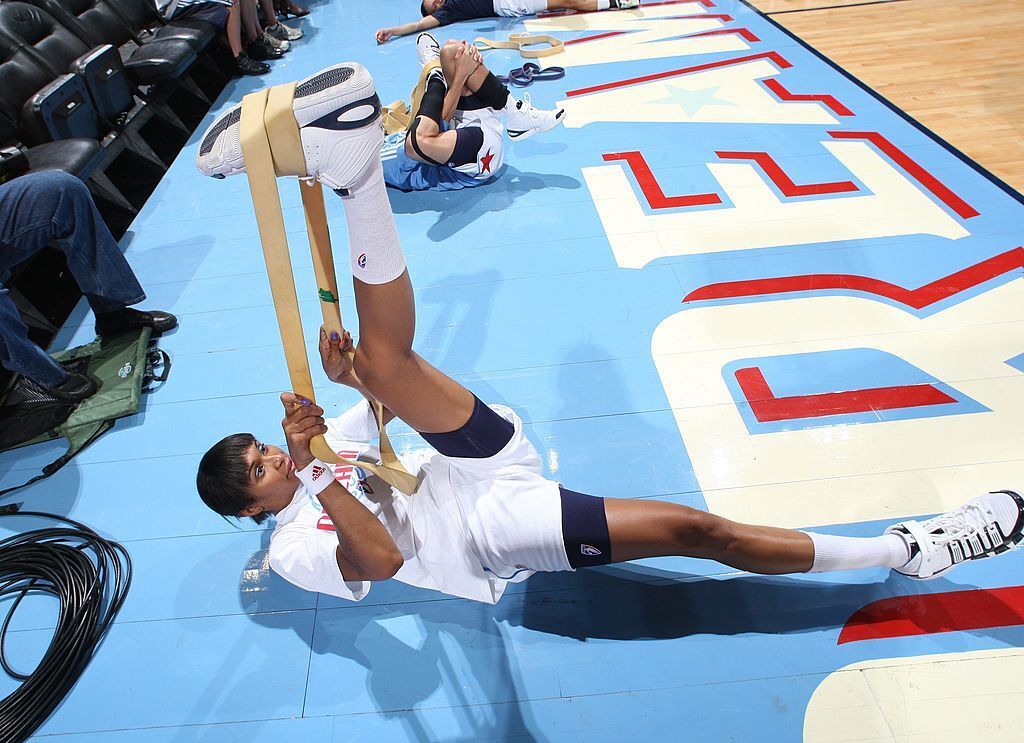
In addition to Pilates, the Dream incorporates “feel good sessions” where athletes use foam rollers, lacrosse balls, bands, and assisted stretching to release tension and relax tight areas. These techniques complement active recovery, helping players feel more comfortable and prepared for their next training session.
Active recovery is more than just a physical practice—it’s about promoting blood flow to muscles and tissues, which helps deliver nutrients like amino acids and oxygen to aid in repair. It also helps flush out waste products from inflammation. As Buria puts it, “movement is medicine.”
However, it’s important to balance active recovery with rest. The Dream has dedicated “blackout” days where athletes are encouraged to do nothing, simply taking time away from the training facility to focus on relaxation. Sleep, nutrition, and hydration also play critical roles in recovery. A 2023 study published in the journal Sleep Medicine found that inadequate sleep can increase the pain associated with DOMS.
Ultimately, how sore you feel and how long the discomfort lasts depends on various factors, including the type of workout, your sleep quality, diet, and individual biology. But incorporating gentle movement into your routine can be one of the most effective ways to support muscle recovery. Whether you're aiming for a championship-winning shot or just trying to make it through another spin class, taking care of your body is key to staying strong and healthy.

Post a Comment for "The Ultimate Way to Relieve Muscle Soreness, From a WNBA Trainer"
Post a Comment