The Roles in a Classic Kitchen Team
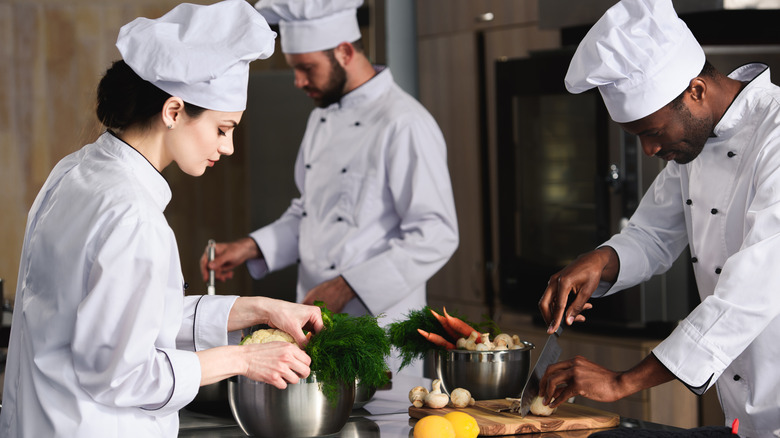
The Kitchen Brigade System: A Foundation for Culinary Excellence
In the world of professional kitchens, the kitchen brigade system is a fundamental structure that ensures efficiency and order. Developed by the legendary French chef Georges-Auguste Escoffier, this system was designed to bring clarity and organization to busy commercial kitchens. Without such a system in place, a restaurant’s kitchen could easily descend into chaos, especially during peak hours.
Escoffier, known for his contributions to modern cuisine, also created the famous dessert cherries jubilee in honor of Queen Victoria. His approach to kitchen management revolutionized the way restaurants operate today.
To gain deeper insight into the kitchen brigade, The Takeout spoke with Maricel Gentile, a renowned chef and owner of Maricel's Kitchen, as well as the author of "Maricel's Simply Asian Cookbook." According to Gentile, the traditional French kitchen brigade includes several key roles, each with specific responsibilities.
Key Roles in the Traditional Kitchen Brigade
The classic French kitchen brigade consists of:
- Executive Chef: Oversees the overall menu design, manages food costs, and leads the restaurant’s vision.
- Chef de Cuisine: Responsible for daily operations, ensuring consistency in service, and leading the kitchen team.
- Sous Chef: Supports the Chef de Cuisine, manages prep work, and steps in when needed.
- Sauté Chef: Handles sautéed dishes, sauces, braising, and pan-seared items.
- Grill Chef: Focuses on cooking meats over a grill.
- Fry Chef: Specializes in frying various ingredients.
- Garde Manger: Assembles salads and cold appetizers.
- Pastry Chef: In charge of breads, pastries, and desserts.
Each role is designed to ensure a smooth flow of operations, precision, and quality under pressure. “Everyone has their lane so the line can run like a well-oiled machine,” Gentile explained.
Variations in Different Kitchens
While the traditional brigade works well in high-end and full-service restaurants, it may not be practical for smaller or more casual establishments. “Many high-end and full-service restaurants still use a form of brigade, especially where volume and speed matter,” Gentile noted. However, in smaller spots, cooks often rotate across stations or work 'cook to order' due to lower volume or simpler menus.
In Asian kitchens, the structure tends to be more fluid, often centered around the wok station, which acts as the heart of the kitchen. At Maricel's Kitchen, for example, the team doesn’t always follow the traditional brigade model. “Dishes often come from a single pan or station,” Gentile said. While there are still head chefs, sous chefs, and specialized cooks, roles tend to overlap more, emphasizing efficiency and multitasking.
Adapting the System to Your Space
The size of the kitchen plays a crucial role in determining whether a restaurant can support a full kitchen brigade. For instance, a small taqueria might only have enough room for two cooks, while a large steakhouse could accommodate ten different stations and ten chefs. Ultimately, the brigade must be tailored to the space, menu, and workflow of the establishment.
Even home cooks can benefit from the principles of the kitchen brigade. By implementing mise en place—a French term meaning “everything in its place”—home chefs can organize their workspace and streamline their cooking process.
Conclusion
Whether in a bustling restaurant or a modest home kitchen, the principles of the kitchen brigade system offer valuable lessons in organization, efficiency, and teamwork. By understanding and adapting these structures, chefs at all levels can enhance their culinary experiences and create a more harmonious cooking environment.

Post a Comment for "The Roles in a Classic Kitchen Team"
Post a Comment