The Joyful Arc: Savoring Wine Without the Complexity
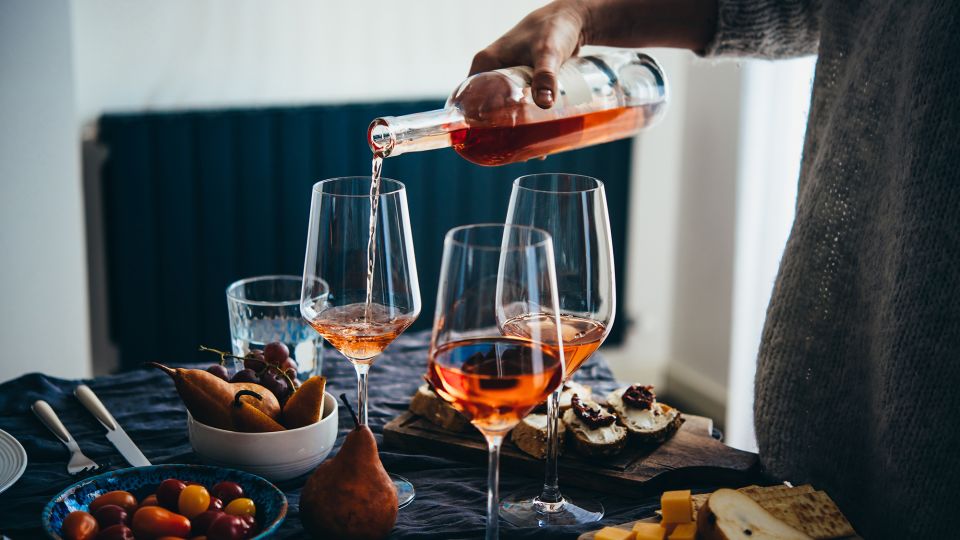
The Art of Wine Pairing: Tips to Elevate Your Dinner Party
Hosting a dinner party can be a delightful experience, but it also comes with its share of stress. One area that often causes anxiety is the selection and serving of wine. While some sommeliers argue that the pressure to get wine right is unnecessary, the truth is that a well-paired wine can truly enhance the flavors and atmosphere of your gathering.
To avoid any potential missteps and ensure a memorable evening, consider these practical tips from experts in the field.
Taste Before You Pour
One of the most common mistakes made by hosts is not tasting the wine before pouring it for guests. Bobby Stuckey, a master sommelier and co-founder of Colorado’s Frasca Hospitality Group, emphasizes the importance of this step. “You’re hosting, you’re busy making sure everyone’s comfortable, and you just open a bottle of wine and pour it,” he explains. “It doesn’t matter if it’s a $1,000 bottle or a $20 bottle, there is a chance it has this cork taint.”
Cork taint, often referred to as being "corked," can give wine a wet-cardboard or moldy aroma and may taste bitter or stale. This issue arises when a chemical compound called 2,4,6-Trichloroanisole (TCA) interacts with bacteria or fungi in the cork. Carlin Karr, director of wine and beverage at Stuckey’s restaurants, estimates that about 1 in 10 bottles are affected. She advises hosts to taste each bottle before guests arrive to ensure it meets the highest standards.
Serve Wines at the Right Temperature
Another critical factor in wine enjoyment is temperature. Both Karr and Stuckey agree that many wines are served at suboptimal temperatures during dinner parties. White wines, for instance, are often too cold, while full-bodied reds tend to be too warm.
Stuckey explains, “You want that white to be expressive. If it’s too cold, like almost freezing, it’s going to really tighten up. The wine shuts down.” He recommends bringing white wines closer to the temperature of red wines for a more balanced experience. Conversely, red wines should be served at around 60 degrees Fahrenheit, which is typically the ideal temperature for most wines.
Avoid Over-Decanting Red Wine
Red wine has what Karr calls an “arc of enjoyment” — a period during which it reaches peak flavor after being exposed to oxygen. However, over-decanting can lead to oxidation and diminish the wine’s quality.
Karr warns against decanting red wine too early, especially with older vintages. “What ends up happening is that older red wine, or even a 10-year-old red wine, is sitting in this big decanter for hours. It actually gets too much air and so it kind of dies in the decanter,” she says.
She suggests opening the bottle just as the food is being plated. “If I’m cooking all the food, I task my husband with decanting the wine. And so while I’m serving up the food, he’s doing that.” Additionally, using larger-bowled Burgundy glasses can mimic the effects of a decanter, making the process more efficient.
Simplify with One Glass
To make wine service easier, Stuckey and Karr recommend using a single glass for all the wines you serve. “Don’t overthink it,” Stuckey says. “Give everyone one glass. If they’re going white, red, back to white… just have one glass.”
Once a glass has wine in it, it’s ready to be used. Karr adds, “Wine is the perfect rinse.” There’s no need to complicate things with multiple glasses or rinse them between pours.
A Final Tip: Welcome with Champagne
As a final suggestion, Karr encourages hosts to start the evening with a glass of Champagne. “Welcome everyone with Champagne,” she says. “Give them a glass of bubbles. It is the perfect thing to excite the palate.”
By following these simple yet effective steps, you can transform your wine service into a seamless and enjoyable part of your dinner party, ensuring that your guests leave with a positive impression and a greater appreciation for the art of wine pairing.

Post a Comment for "The Joyful Arc: Savoring Wine Without the Complexity"
Post a Comment