The Goop Phenomenon: From Jade Eggs to 10-Minute Facelifts
The Rise of Goop and Gwyneth Paltrow’s Wellness Empire
In her new book Gwyneth: The Biography, author Amy Odell takes a deep dive into the world of Gwyneth Paltrow and her wellness brand, Goop. The book explores not only the health claims that have made the company both popular and controversial but also the broader implications of the "big wellness" industry. Odell highlights how Paltrow transformed wellness into something more than just self-care — it became a luxury commodity.
Odell explains that Paltrow’s interest in wellness began after her father was diagnosed with throat cancer. This event led her down a path of exploring alternative health practices, which eventually became the foundation of Goop. According to Odell, this journey introduced Paltrow to what is now known as the "big wellness" industry — an industry that often criticizes everyday products for containing toxins and chemicals.
Paltrow’s fascination with wellness grew further when she experienced a health scare in 2013, when she believed she had suffered a stroke. Although it turned out to be a misdiagnosis, this experience pushed her to seek advice from various experts and gurus. She consulted doctors, some of whom were not medical professionals, and began experimenting with different health regimens.
One of the most notable figures in her wellness journey was Alejandro Junger, who suggested an elimination diet that banned a wide range of foods, including coffee, alcohol, dairy, eggs, and processed items. Odell notes that Paltrow was often drawn to these gurus and their recommendations, even if they lacked proper medical backing. She would then share their ideas on Goop, often moving from one expert to the next.
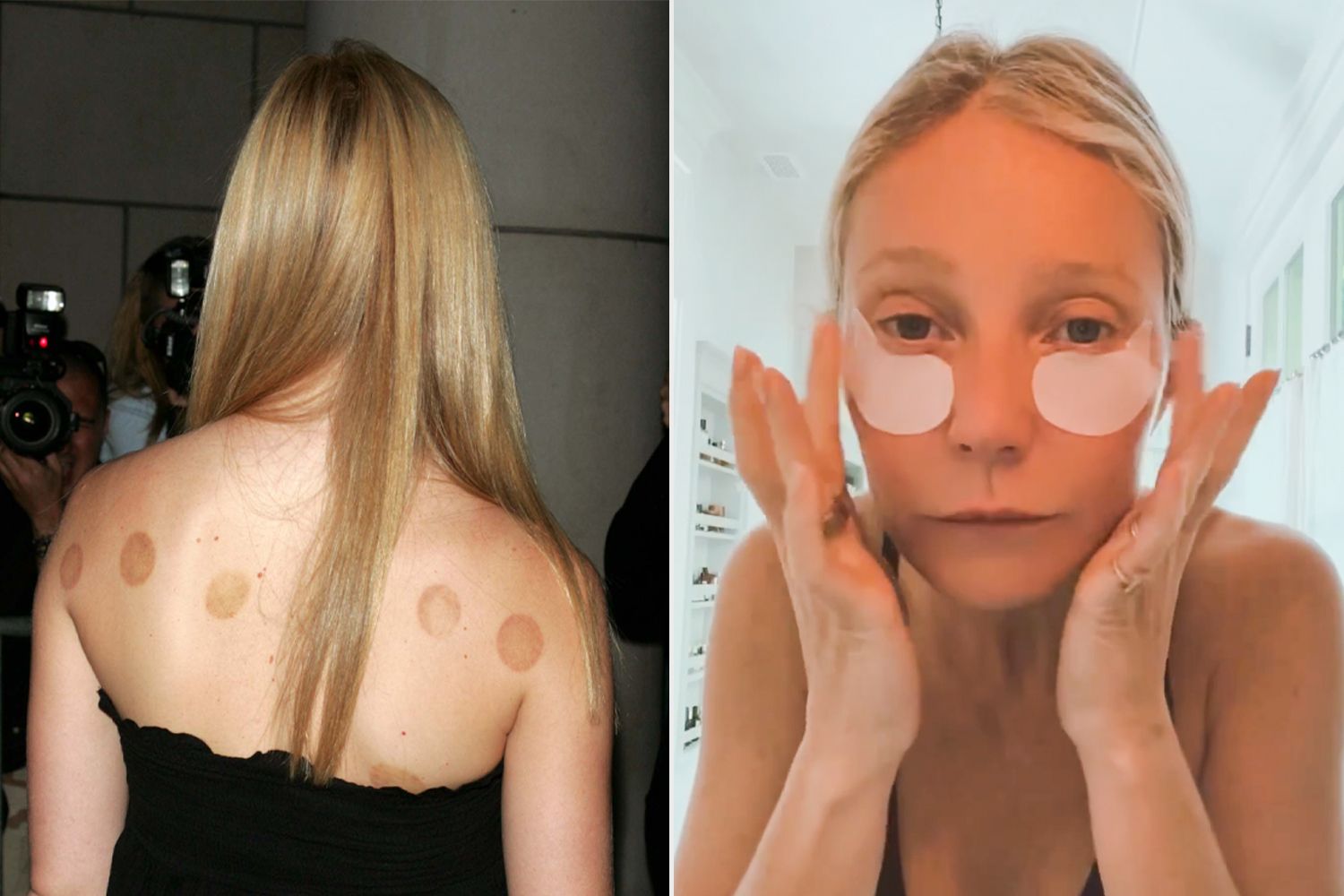
As Goop expanded its content, it introduced products such as jade eggs, marketed as tools to enhance sexual energy and pleasure, and procedures like coffee enemas. These items sparked significant controversy and scrutiny.
In 2018, Goop agreed to pay a $145,000 settlement over misleading claims about the effectiveness of its products, including vaginal eggs. The lawsuit, initiated by ten counties in California, argued that the company made unscientific claims about the health benefits of its products. Odell interviewed Jen Gunther, an ob-gyn and critic of Goop's pseudo-scientific theories, who wrote an article debunking the claims. In response, Goop published its own counterarguments and shared them on social media, using a quote from Michelle Obama in a way that felt out of place.
Despite the backlash, Goop continued to attract attention and traffic. In 2017, Paltrow hosted a health forum where attendees could try unique experiences like "sound bath meditation" and a "10-minute facelift," involving organic sugar threads inserted into the cheek. Paltrow was open about her own use of cosmetic procedures, though she expressed a dislike for Botox, claiming it made her look "crazy."
Odell, who interviewed over 220 sources, describes the early days of Goop as fun and relatively free of the medical misinformation that later became a central issue. She emphasizes that Paltrow's ability to turn wellness into a luxury commodity has had a lasting impact on the industry.
Through her book, Odell hopes to raise awareness about the "big wellness" industry and its influence on consumers. She argues that while many are drawn to Goop's offerings, the true value of Paltrow's life and lifestyle cannot be bought. The book serves as a reminder that wellness, while appealing, should be approached with critical thinking and a healthy dose of skepticism.

Post a Comment for "The Goop Phenomenon: From Jade Eggs to 10-Minute Facelifts"
Post a Comment