The Galaxy Watch 8's Antioxidant Test Spurred Me to Act
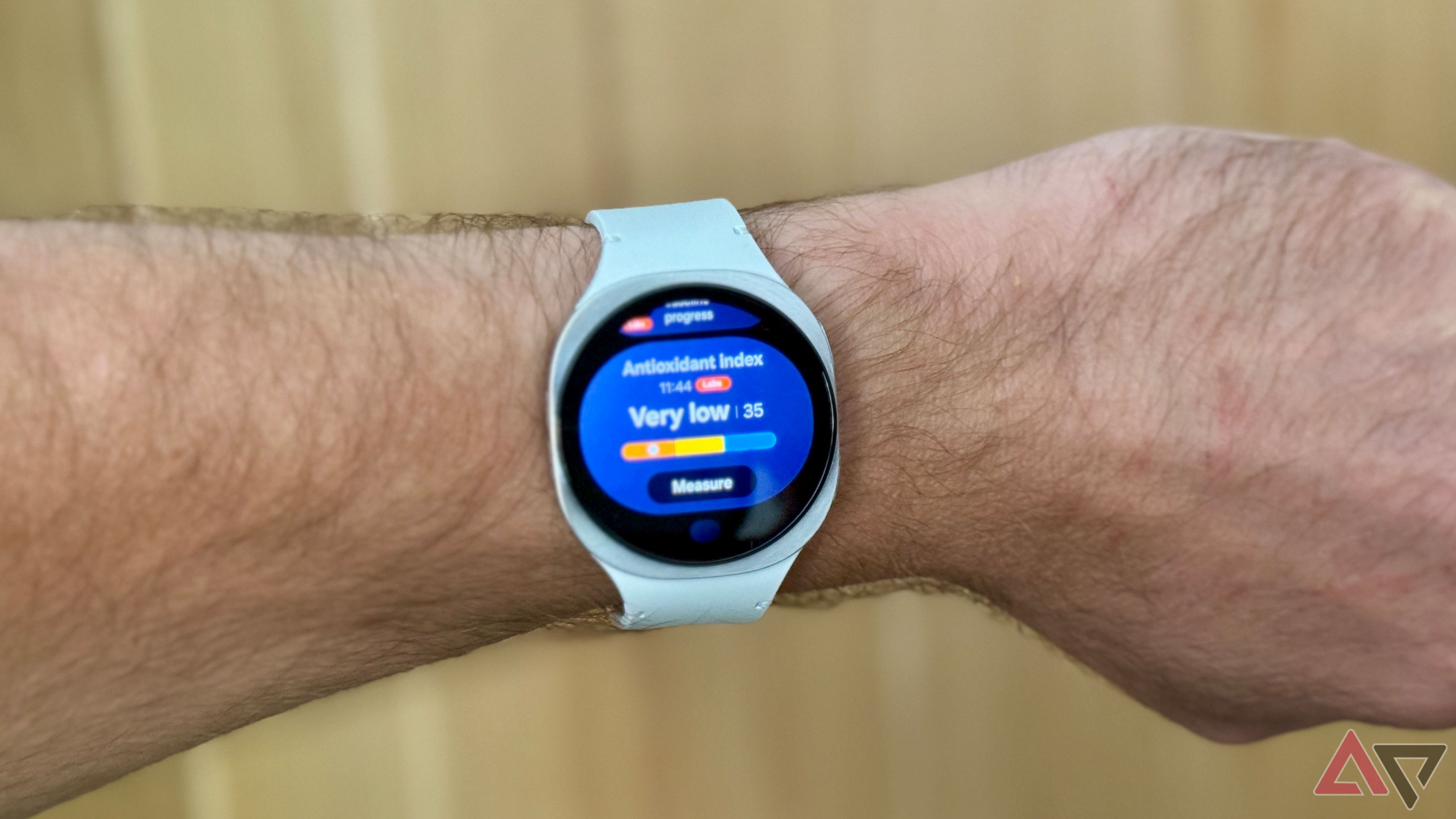
Understanding the Antioxidant Index Feature on the Galaxy Watch 8
Samsung has introduced a new health feature with the Galaxy Watch 8: the Antioxidant Index test. This feature is designed to measure carotenoid levels in your skin, which are antioxidants that help neutralize free radicals in the body. The goal is to provide users with insights into their overall health and encourage better lifestyle choices.
Unlike other health monitoring features, this test requires you to remove the watch from your wrist. This unique process involves pressing the sensor on the back of the watch against your thumb for a few seconds. While the test itself is quick and straightforward, it's not something you can do while wearing the watch on your wrist like most other health features.
What Does the Antioxidant Index Test Look For?
The test measures the presence of carotenoids, which are antioxidants found in many fruits and vegetables. These compounds play a role in protecting the body from damage caused by free radicals—unstable molecules that can harm cells and contribute to aging and disease. According to Samsung, maintaining adequate levels of antioxidants can support healthy aging and reduce the risk of chronic illness.
The results of the test are displayed in the Samsung Health app as a score out of 100, categorized into three levels: very low, low, and adequate. If your score falls into the lower ranges, the app suggests increasing your intake of vegetables and healthy juices. However, it's important to note that changes may take weeks of consistent healthy habits before they show up in the test results.
How to Take the Antioxidant Index Test
To use the Antioxidant Index test, you first need to add the feature manually through the Samsung Health app. It’s considered a preview feature, similar to the Vascular Load measurement, and is not medically verified. Once added, you tap the Measure button, which opens the feature on your phone and provides instructions to remove the watch and press the sensor with your thumb.
The process is fast and user-friendly, but it's different from other health tests that require the watch to remain on your wrist. This unique approach is intended to allow the sensor to read your skin rather than your blood vessels, according to a Samsung spokesperson. However, some may find the process inconvenient or less intuitive compared to other health features.
Is the Antioxidant Index Worth the Effort?
After taking the test, I received a "Very Low" score, which was unexpected but not entirely shocking. The app provided specific recommendations, such as eating a quarter of a zucchini or five lettuce leaves, to improve my score. Over the past few days, I’ve taken multiple readings, and while the results have varied slightly, they haven’t been drastically different.
One of the main concerns about this feature is its potential to create unnecessary anxiety or lead users to make impulsive purchases of antioxidant-rich products. While the idea of improving your health through diet is valuable, the test may not be the best way to guide those decisions. In fact, some experts suggest that focusing on a balanced diet and healthy lifestyle is more effective than relying on supplements or specialty products.
The Broader Implications
The Antioxidant Index feature raises questions about how we interpret health data and what we choose to do with it. While the test is innovative, it's not a substitute for professional medical advice or a comprehensive understanding of nutrition. Moreover, the concept of antioxidants and free radicals is often oversimplified in marketing, leading to confusion among consumers.
Some studies question the effectiveness of antioxidant supplements, suggesting that consuming fruits and vegetables directly is more beneficial than relying on concentrated forms. Experts also emphasize that avoiding sources of free radicals, such as smoking and excessive alcohol consumption, is just as important as increasing antioxidant intake.
Final Thoughts
While the Antioxidant Index test is an interesting addition to the Galaxy Watch 8, it's not without its drawbacks. The process of taking the test is unique and may feel cumbersome compared to other health features. Additionally, the results may not always reflect a clear picture of your overall health.
For now, I plan to continue making healthy lifestyle choices without relying on this feature. If I make significant changes to my diet, I may revisit the test in a few months to see if there's any improvement. Until then, I'll stick to the tried-and-true advice of eating well, staying active, and avoiding harmful habits.

Post a Comment for "The Galaxy Watch 8's Antioxidant Test Spurred Me to Act"
Post a Comment