The essential role of medical device packaging in modern healthcare
The Critical Role of Medical Device Packaging in Healthcare
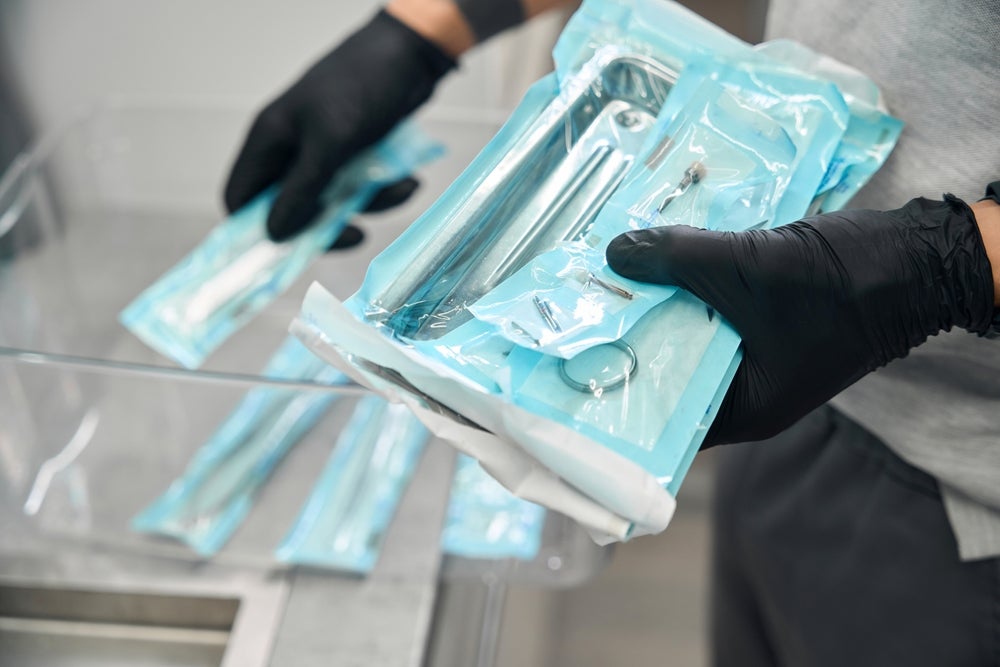
Medical device packaging is a fundamental aspect of the healthcare industry, serving as the first line of defense for sensitive medical equipment. It ensures that devices remain safe, functional, and sterile from the moment they are manufactured until they are used by patients. Whether it’s a surgical instrument, an implant, or a diagnostic tool, the packaging must maintain sterility, prevent contamination, and support safe handling by healthcare professionals.
The importance of sterile and protective packaging cannot be overstated. Many medical devices require strict sterility to avoid infections and complications during use. The packaging acts as a primary barrier, preserving this sterility throughout the supply chain—from the manufacturing site to the point of use. This requires materials and designs that can withstand various sterilization methods such as steam, ethylene oxide, or radiation without compromising the device’s integrity.
Beyond sterility, packaging also protects devices from physical damage. Factors like impacts, moisture, dust, and temperature fluctuations can affect the performance of medical devices. For delicate items such as catheters or electronic monitors, cushioning and strong outer layers are essential to ensure their safety during transport and storage. Additionally, the design of the packaging should allow for easy access by healthcare professionals while minimizing the risk of contamination. Features like peelable seals and tamper-evident elements help achieve this balance.
Materials and Technologies Used in Medical Device Packaging
Selecting the right materials is crucial for effective medical device packaging. Common options include medical-grade plastics such as polyethylene and polypropylene, as well as paper-based materials that meet cleanliness and biocompatibility standards. Laminates that combine plastic films with foil or paper offer enhanced protection against moisture and oxygen, making them ideal for long-term storage.
Innovations are continuously shaping the industry. For example, peelable film seals now allow for sterile access without the need for scissors or knives, reducing the risk of injury. Active packaging solutions, which incorporate antimicrobial layers or humidity control agents, are emerging as a way to further protect sensitive devices. These advancements not only improve safety but also enhance usability in clinical settings.
Sustainability is also becoming a key consideration in the development of medical device packaging. Manufacturers are increasingly seeking recyclable or biodegradable materials to reduce environmental impact while still meeting regulatory requirements. This shift reflects a growing awareness of the need to balance healthcare needs with environmental responsibility.
Sterilization Compatibility and Regulatory Standards
Sterilization compatibility is another critical factor in medical device packaging. The materials used must be able to withstand sterilization processes without degrading or releasing harmful substances. This requires extensive testing to ensure that the packaging maintains its strength and barrier properties after exposure to sterilizing agents.
Regulatory frameworks play a vital role in ensuring the safety and compliance of medical device packaging. In Europe, the Medical Device Regulation (MDR) sets out specific requirements for packaging alongside device performance standards. Similarly, the U.S. Food and Drug Administration (FDA) provides guidelines to ensure that packaging maintains sterility and integrity throughout the product lifecycle.
Manufacturers must conduct rigorous validation processes, including testing of packaging design, materials, and sterilization procedures. Quality assurance systems monitor packaging throughout production, verifying sealing strength, cleanliness, and shelf life. Traceability is essential, enabling quick identification and recall of defective products if necessary.
Labeling and Digital Tracking in Modern Packaging
Labeling is an integral part of medical device packaging regulations. Clear and legible information such as lot numbers, expiry dates, and handling instructions must be included to support safe use. Some modern packaging solutions now incorporate QR codes or RFID tags for digital tracking and authentication. These technologies enhance inventory management and help prevent counterfeit products from entering the market.
Future Trends and the Importance of Packaging
Medical device packaging is a vital component in delivering safe and effective healthcare products. Its role in maintaining sterility, protecting devices, and ensuring regulatory compliance cannot be overlooked. As materials and technologies continue to evolve, the industry is seeing improvements in performance and sustainability.
For healthcare professionals and manufacturers, understanding the complexities of medical device packaging is essential to safeguarding patient health and supporting medical innovation. The field remains dynamic, driven by the need to meet ever-increasing demands for safety, efficiency, and environmental responsibility.

Post a Comment for "The essential role of medical device packaging in modern healthcare"
Post a Comment