The anti-aging secret in magic mushrooms revealed
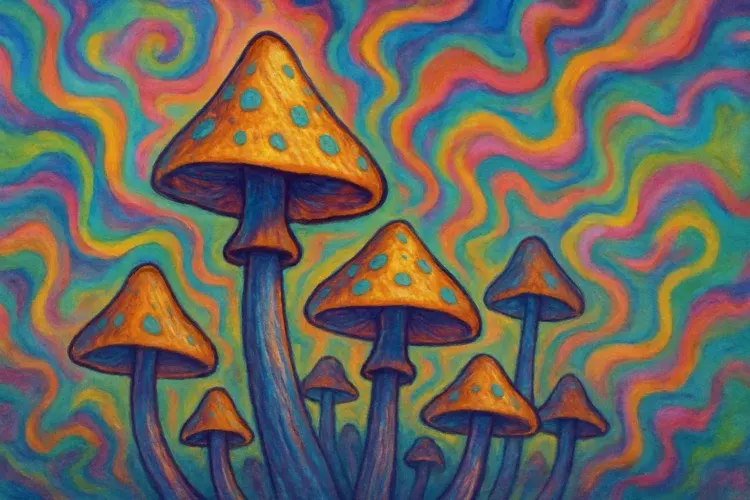
New Research Suggests Psilocybin Could Slow Aging Process
Mice that had developed bald patches and silvered fur, signs of aging, showed remarkable improvements after being treated with psilocybin. Their hair regrew, some of it even darker. Inside their cells, a surprising transformation was taking place. A recent study published in npj Aging reveals that psilocybin, the psychoactive compound found in magic mushrooms, may slow key aspects of the aging process.
The research, conducted by Dr. Louise Hecker at Baylor College of Medicine and Emory University, demonstrated that psilocybin extended cellular lifespan, preserved DNA structures that typically degrade with age, and increased the survival rate of elderly mice by 60%. This marks the first experimental evidence showing that psilocybin can extend cellular lifespan and promote longevity in mice.
A Psychedelic Approach to Aging
Psilocybin has previously gained attention for its potential to treat depression, PTSD, and anxiety. However, most studies have focused on its effects on the brain. This new research is among the first to explore how the drug impacts the body as a whole.
“The overwhelming majority of what we know about psilocybin is how it impacts the brain,” Hecker said in a press release. “Our findings suggest that psilocybin has potent effects on the entire body, including antiaging properties.”
To understand these effects, Hecker’s team studied psilocin, the active form of psilocybin, in two types of human cells: fetal lung and adult skin cells. Treated cells lived up to 57% longer than untreated ones. They showed fewer signs of stress, less DNA damage, and more expression of SIRT1, a protein linked to longevity.
One key finding involved telomeres, the protective caps at the ends of chromosomes that shorten with each cell division. Shortened telomeres are a hallmark of aging and age-related diseases. In the treated cells, telomere length was preserved.
The Mouse That Lived
Testing in the lab is one thing, but testing on living organisms is another. To see how the drug works in a real-world context, the researchers gave monthly doses of psilocybin to 19-month-old female mice (equivalent to 60-year-old humans). Over ten months, 80% of the treated mice survived, compared to just 50% in the control group. Their fur also showed visible improvement: bald spots filled in, and gray patches darkened.
“This is a very exciting and clinically relevant finding that suggests that even when intervention is initiated late in life, it can have dramatic impacts,” said Dr. Kosuke Kato, co-author of the study.
The team based their dosage model on previous human trials that showed no serious side effects even in older adults. Mice received a lower initial dose (5 mg/kg), then monthly higher doses (15 mg/kg) adjusted for their faster metabolism. Notably, even these relatively high doses remained well below known toxicity thresholds in mice.
Importantly, the psilocybin didn’t transform the cells into anything dangerous. The treated cells still reached the natural end of their life cycle—just later. “[There was] no evidence of oncogenic transformation,” the researchers wrote. In other words, no tumors or cancerous growth.
Beyond the Brain
It’s not clear why a psychedelic compound would have this effect on the body, but the answer may lie in its interaction with serotonin receptors, especially 5-HT2A. These receptors are found throughout the body, including in the heart, skin, immune cells, and fibroblasts, the cells responsible for wound healing. Activating these receptors can reduce oxidative stress, improve DNA repair, and boost expression of protective proteins like SIRT1.
Psilocybin may represent a new pharmacotherapy that protects against some of the effects of aging. Previous studies have hinted at broader health benefits. People who occasionally used psychedelics like psilocybin or LSD were found to have lower rates of obesity, diabetes, and heart disease. Still, those correlations left open the question of causation.
Now, this study provides some of the first direct evidence that the drug might actively slow aging.
What’s Next?
While the study opens new doors, it also raises major questions. Can these effects be replicated in humans? What are the risks of long-term use? And would the same benefits occur with lower, non-hallucinogenic doses?
Regulatory hurdles remain. Psilocybin is still a Schedule I drug in the United States, meaning it is classified as having “no currently accepted medical use.” But that view is beginning to shift. The FDA has granted psilocybin “breakthrough therapy” status for treating depression, and multiple clinical trials are ongoing.
The researchers hope their findings will spark more investigation into psilocybin’s systemic effects. “There is still a lot to understand,” Kato said. “Including optimal dosing protocols that will lead to maximal efficacy.”
For now, the idea that a psychedelic mushroom might do more than change our minds—that it might slow the ticking clock of aging itself—remains an enticing and cautiously hopeful prospect.

Post a Comment for "The anti-aging secret in magic mushrooms revealed"
Post a Comment