Texas' Largest Measles Outbreak Subsides, But Experts Warn of Ongoing Risk
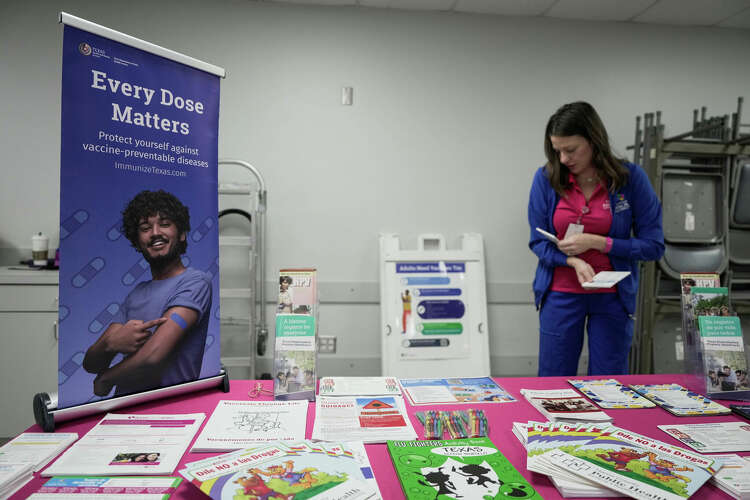
Texas Measles Outbreak Shows Signs of Decline, but Vaccination Gaps Remain a Concern
Texas appears to be moving past the peak of its largest measles outbreak in 30 years, with recent data showing a significant drop in new cases. However, experts warn that the state remains at risk for future outbreaks unless vaccination rates improve. Since June 1, the state has reported approximately three new measles cases per week, a sharp decrease from the average of about 50 cases per week between Valentine's Day and Easter. While this decline is encouraging, it does not mean the threat is over.
The outbreak, which began in late January in the South Plains region, has resulted in 762 confirmed cases across the state. More than half of these cases have been reported in Gaines County, a small area along the New Mexico border that has become the epicenter of the crisis. Tragically, two children—both under the age of 10—have died as a result of the outbreak. These deaths highlight the severity of the disease and the importance of prevention.
According to the U.S. Centers for Disease Control and Prevention (CDC), the total number of measles cases in the United States this year has reached 1,309, making it the highest since the disease was declared eliminated in the country in 2000. Texas alone accounts for more than half of those cases, underscoring the scale of the problem.
Encouraging Signs and Remaining Challenges
Health officials are cautiously optimistic that the outbreak is nearing its end. In Gaines County and Lubbock, the virus is no longer being detected in wastewater, suggesting a reduction in transmission. However, the official end of an outbreak is typically declared after 42 days—two full incubation periods—without any new cases. The last confirmed case in Texas was reported on July 1, so the state may still be in the final stages of the outbreak.
Experts believe part of the decline in cases is due to the fact that many unvaccinated individuals have already been infected. Once this group is exposed, the virus tends to die out naturally. But while the current situation looks promising, the long-term risk remains if vaccination coverage does not improve.
Vaccination Rates Are Rising, But Not Enough
Despite the ongoing outbreak, there has been a noticeable increase in vaccinations across Texas. Data from the state’s Department of State Health Services shows a 14% rise in measles, mumps, and rubella (MMR) shots administered during the first six months of 2025 compared to the same period last year. Over 423,000 doses were given in the first half of 2025, up from about 330,000 in 2024.
Katherine Wells, director of public health in Lubbock, noted that some parents may have delayed vaccinations until this year because the last major outbreak in Texas was decades ago. Now, with the real-world consequences of measles becoming evident, more families are choosing to vaccinate their children.
However, despite this progress, many communities in Texas still fall short of the 95% vaccination rate needed to achieve herd immunity. Nearly half of the state’s public school districts and private schools reported kindergarten MMR vaccination rates below this threshold. This means that vulnerable populations remain at risk, and even a small number of unvaccinated children could spark another outbreak.
Misinformation and Legislative Changes Pose Additional Risks
One of the biggest challenges in improving vaccination rates is the spread of misinformation. False claims about vaccines have gained traction, particularly in the wake of the COVID-19 pandemic. Some individuals, including high-profile figures, have promoted alternative treatments such as Vitamin A and cod liver oil as substitutes for the MMR vaccine, despite medical consensus that the vaccine is the most effective way to prevent measles.
In addition, Texas lawmakers recently passed legislation that makes it easier for parents to opt out of vaccinating their children for nonmedical reasons. Experts warn that this could lead to an increase in vaccine exemptions, further increasing the risk of future outbreaks.
The Role of Community Trust and Education
To combat misinformation and improve vaccination rates, experts emphasize the importance of trusted community voices. Pediatricians, local leaders, and educators can play a key role in addressing concerns and providing accurate information to parents.
Catherine Troisi, an infectious disease epidemiologist, noted that while some people may never change their minds about vaccines, others are more open to influence. Reaching out to these individuals through trusted channels can help build confidence in immunization programs.
As the state continues to monitor the situation, the focus must remain on strengthening vaccination efforts and ensuring that all communities have access to accurate, science-based information. Only then can Texas truly protect itself from future outbreaks of measles and other preventable diseases.

Post a Comment for "Texas' Largest Measles Outbreak Subsides, But Experts Warn of Ongoing Risk"
Post a Comment