Teen Sleep Secrets
Understanding the Importance of Sleep for Teenagers
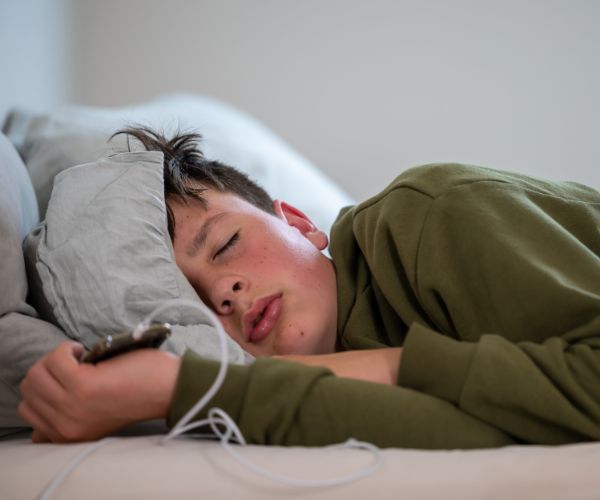
The relationship between teenagers and sleep is often complex. Adolescents experience unique biological and lifestyle changes that can disrupt healthy sleep patterns. When combined with academic pressures, digital distractions, and social commitments, it's no surprise that many teenagers aren't getting the rest they need. This article explores everything you need to know about teenagers and sleep—ranging from how much they need, what happens when they don’t get enough, and tips to help them sleep better.
Whether you're a parent, teacher, or teenager yourself, understanding the crucial role sleep plays in teenage development and overall well-being is essential. Let’s start by looking at the recommended amount of sleep for teenagers and why it matters.
How Much Sleep Do Teenagers Need?
According to the American Academy of Sleep Medicine, teenagers aged 13 to 18 should get 8 to 10 hours of sleep per night. Despite this recommendation, surveys show that over 70% of high school students get less than 8 hours on school nights. Sleep is essential for several reasons:
- Growth and development
- Learning and memory consolidation
- Emotional regulation
- Immune system support
During adolescence, the brain undergoes significant changes. Without adequate rest, teens may struggle with focus, mood, and academic performance. Ensuring teens get enough sleep is vital for their physical and mental health.
Why Teenagers Struggle to Get Enough Sleep
There are several reasons why teenagers have difficulty getting enough sleep. One of the biggest challenges is recognizing that teens are biologically wired to stay up later. This is due to a natural shift in their circadian rhythm, often called "sleep phase delay." This internal clock shift means teenagers naturally:
- Feel sleepy later at night (around 11 PM or later)
- Want to sleep later in the morning
However, early school start times often force teens to wake up around 6 or 7 AM, creating an unnatural chronic sleep deficit.
Lifestyle disruptions also play a major role. Factors such as homework, academic stress, extracurricular activities, jobs, and household responsibilities can interfere with sleep. Late-night screen time, social media, and texting are additional challenges. Even well-meaning habits, like catching up on sleep during the weekend, can throw off their internal clock.
The Science Behind Teen Sleep
Sleep in teens consists of various stages that are vital for physical and cognitive development. These include:
- REM (Rapid Eye Movement) Sleep – Critical for memory consolidation and mood regulation
- Deep Sleep (Slow-Wave Sleep) – Important for physical repair and growth
During adolescence, the proportion of deep sleep increases, which is why teens often feel groggy when woken up early. Lack of quality sleep affects key areas of the brain, including:
- Prefrontal cortex (responsible for decision-making)
- Amygdala (emotion regulation)
- Hippocampus (memory and learning)
This makes it harder for teens to process emotions, focus in school, and make smart choices.
Consequences of Poor Sleep in Teenagers
The connection between teenagers and sleep is critical, and ignoring it has serious consequences. Poor sleep can lead to:
Physical Health Risks
- Weakened immune function
- Increased risk of obesity
- Higher likelihood of acne and skin issues
Mental Health Risks
- Higher rates of anxiety and depression
- Increased emotional reactivity
- Mood swings and irritability
Academic Impact
- Difficulty concentrating
- Poor memory retention
- Lower grades and test scores
Risky Behavior
- More likely to engage in substance use
- Increased risk of accidents, including car crashes for teen drivers
In short, consistent sleep deprivation is not just a short-term inconvenience—it can have lifelong consequences.
Common Sleep Disorders in Teenagers
Sometimes, deeper issues can affect teenagers and sleep beyond busy schedules and digital distractions. Some common sleep disorders include:
- Insomnia – Teens may struggle to fall or stay asleep due to stress, anxiety, or poor sleep habits.
- Delayed Sleep Phase Syndrome (DSPS) – A circadian rhythm disorder where the teen’s internal clock is significantly delayed.
- Sleep Apnea – Obstructive sleep apnea can affect teens, especially those who are overweight or have enlarged tonsils.
- Restless Leg Syndrome (RLS) – A neurological disorder causing an uncontrollable urge to move the legs, especially at night.
If your teen consistently struggles to sleep, consulting a pediatric sleep specialist is advisable.
Tips to Help Teenagers Sleep Better
Improving the relationship between teenagers and sleep starts with small changes that promote better sleep hygiene. Here are some effective strategies:
-
Encourage a Consistent Sleep Schedule
Aim for a fixed bedtime and wake-up time—even on weekends. Gradually shift bedtimes earlier if needed. -
Create a Bedtime Routine
Wind down 30–60 minutes before bed. Turn off screens, try reading, journaling, or deep breathing. Teenagers can use a bedtime routine schedule to create a positive and calming routine before bed. -
Limit Caffeine and Sugar
Avoid caffeine after 2 PM. Watch for hidden sources in energy drinks and sodas. -
Reduce Screen Time Before Bed
Blue light from phones, tablets, and computers suppresses melatonin production. Use night mode or blue light-blocking glasses. -
Support Mental Health
Encourage open conversations about stress and anxiety. Consider mindfulness apps or talking to a counselor.
Creating the Ideal Sleep Environment for Teens
The sleep space matters. A cluttered or uncomfortable room can hinder rest. Focus on the following:
-
Mattress and Pillow Support
Choose a mattress that suits your teen’s sleep style (side, back, or stomach). Select a pillow that supports the neck and spine. -
Temperature
Keep the bedroom cool, ideally between 60–67°F (15–19°C). Use breathable bedding to prevent overheating. -
Light and Noise
Use blackout curtains to block street lights. White noise machines can help mask background noise. -
Declutter the Space
A clean, organized room can reduce stress and promote relaxation.
How Mattresses and Bedding Affect Teen Sleep
Teenagers often sleep on hand-me-down or poorly made beds, which can affect comfort and spinal alignment. Look for:
- Best Mattress Types for Teenagers
- Memory Foam Mattresses – Good for contouring and pressure relief
- Hybrid Mattresses – Great for support and breathability
-
Latex Mattresses – Eco-friendly and responsive
-
Mattress Firmness
Medium to medium-firm options suit most teens. Softer for side sleepers, firmer for back or stomach sleepers. -
Hypoallergenic Materials
Prevent allergies and respiratory issues. Look for OEKO-TEX or CertiPUR-US certifications. -
Bedding for Better Sleep
Breathable sheets made from cotton, bamboo, or TENCEL. A lightweight comforter that doesn’t trap heat. Weighted blankets may help anxious teens relax.
Final Thoughts: Helping Teens Build Better Sleep Habits
The connection between teenagers and sleep is crucial to their physical health, emotional well-being, and academic success. But teens today face unprecedented challenges when it comes to getting enough quality rest. By understanding the unique needs of adolescents and creating supportive environments—both at home and in schools—we can help teens develop habits that set them up for a lifetime of healthy sleep.
From choosing the right mattress to setting screen time limits, every decision counts. Sleep isn’t a luxury for teenagers—it’s a necessity.

Post a Comment for "Teen Sleep Secrets"
Post a Comment