Tacoma's Homeless Healthcare Initiative Launches: Full of Promise?
Introduction to the Street Medicine Pilot Program in Tacoma
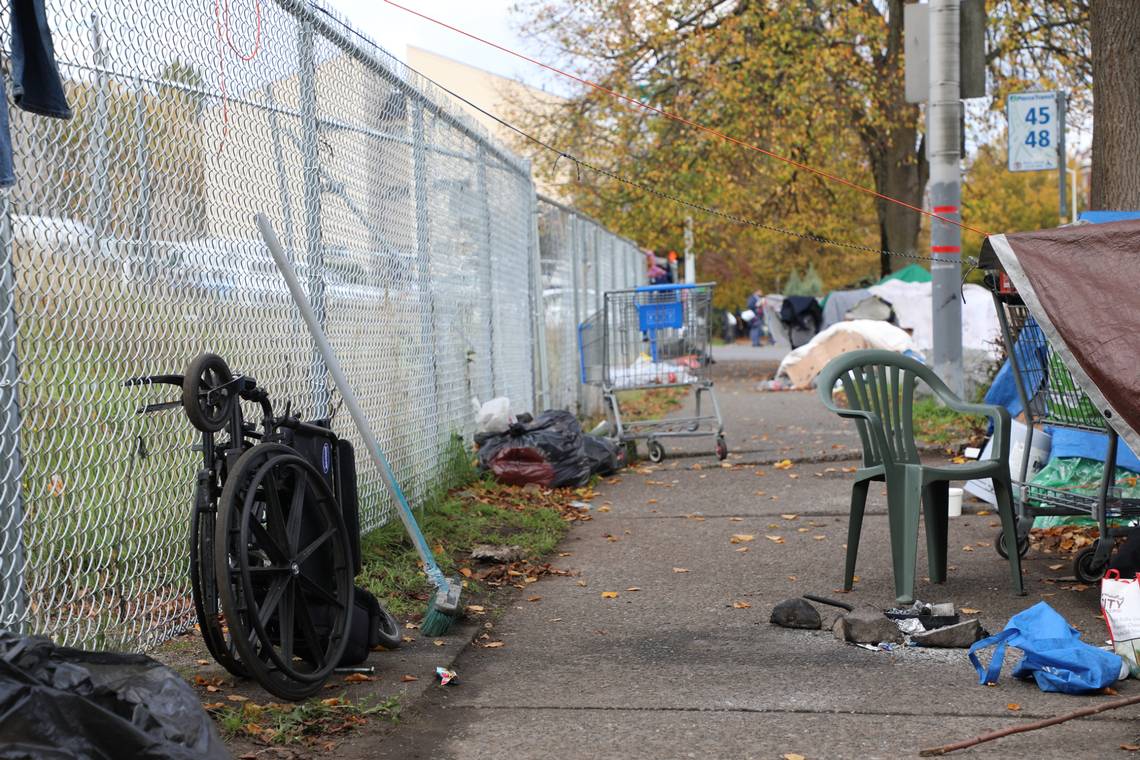
The Street Medicine Pilot Program in Tacoma, Washington, is a significant initiative aimed at providing essential healthcare services and resources directly to individuals experiencing homelessness. After a slow start, the program has begun operating, though it still has several months before reaching full capacity. This innovative approach seeks to bridge the gap between medical care and those who are unsheltered, offering wrap-around clinical healthcare, behavioral health support, and treatment for chronic conditions.
Program Launch and Initial Challenges
In October 2024, the Tacoma-Pierce County Health Department (TPCHD) and the City of Tacoma announced the launch of the Street Medicine Pilot Program, which was funded by a $1 million grant from the Washington State Health Care Authority. The program's goal is to deploy specially trained teams to provide care in encampments, tent cities, vehicles, and other unsheltered locations.
However, the program faced initial challenges, particularly in hiring staff for the team. In May, the program manager, Bianca Shell, mentioned that the program was still working to fill positions. At that time, the department reported that the program had primarily been distributing supplies rather than delivering comprehensive services.
Progress and Deployment Updates
During the Tacoma City Council's Community Vitality and Safety Committee meeting on July 10, the city and the health department provided an update on the program’s operations. Chantell Harmon Reed, director of public health for TPCHD, attributed some of the delays to the bureaucratic processes involved in contracting. She noted that the program had launched a "full deployment" as of May 26, which included a cargo van with supplies and a converted sprinter van serving as a medical-exam area.
Harmon Reed emphasized that building trust and recognition within the community was a critical part of the process. The "full deployment" would initially be operational once a week until September, with plans to increase to three times a week by September and four times a week after October. This gradual expansion aims to ensure that the services are appropriate and effective across the city.
Services and Supplies Provided
The street-medicine team offers a range of services, including wound care, foot care, testing for sexually transmitted infections, HIV, and Hep C, as well as treatment and referrals for opioid-use disorder and mental health. The team also distributes essential supplies such as food, hygiene kits, clothing, sleeping bags, sunscreen, and bus passes to help individuals access treatment.
According to data shared by the program, the team made outreach contacts with roughly 80 people in April and May, increasing to nearly 140 people in June. Since the program began, the team has treated 30 wounds, six infections, and made 18 referrals to primary care. The team has reportedly served or supplied more than 760 people, with over 530 hygiene kits and nearly 350 Naloxone kits distributed.
Partnerships and Future Goals
The program is also developing relationships with partners to host clinic pop-ups in parking lots and refer clients to service providers. Caleb Carbone, the homeless strategy, systems, and services manager with the City of Tacoma's Neighborhood and Community Services Department, mentioned that the city is seeking additional funding from the state to sustain and expand the program.
Sally Perkins, a local homeless advocate, expressed frustrations with the slow roll-out of the program. She suggested that outreach workers should be able to call the team directly to respond to medically challenged homeless individuals quickly. Perkins highlighted the need for the program to address complex situations where homeless individuals may not want to call 911.
Broader Context and Importance
A panel of homeless-service providers in Pierce County recently sounded the alarm on the need for healthcare among those living unhoused. Jake Nau, the homeless outreach manager for St. Vincent DePaul, noted that at least 50% of the unhoused people he meets are either over 55 years of age or have physical or mental disabilities.
According to the 2024 survey of those living unhoused in Pierce County, volunteers counted 2,661 people in a single night. Of those surveyed, 25% reported having a chronic health condition, and 22% reported having a physical disability. The U.S. Interagency Council on Homelessness (USICH) states that people experiencing homelessness have an average life expectancy of around 50, almost 20 years lower than housed individuals. The Center for Disease Control highlights that homeless individuals face greater risks of infectious and chronic illness, poor mental health, and substance abuse.
The Street Medicine Pilot Program represents a crucial step in addressing these disparities and ensuring that all individuals, regardless of their housing status, have access to essential healthcare services.

Post a Comment for "Tacoma's Homeless Healthcare Initiative Launches: Full of Promise?"
Post a Comment