Surgery and Ablation Yield Comparable Results for Small Liver Tumors
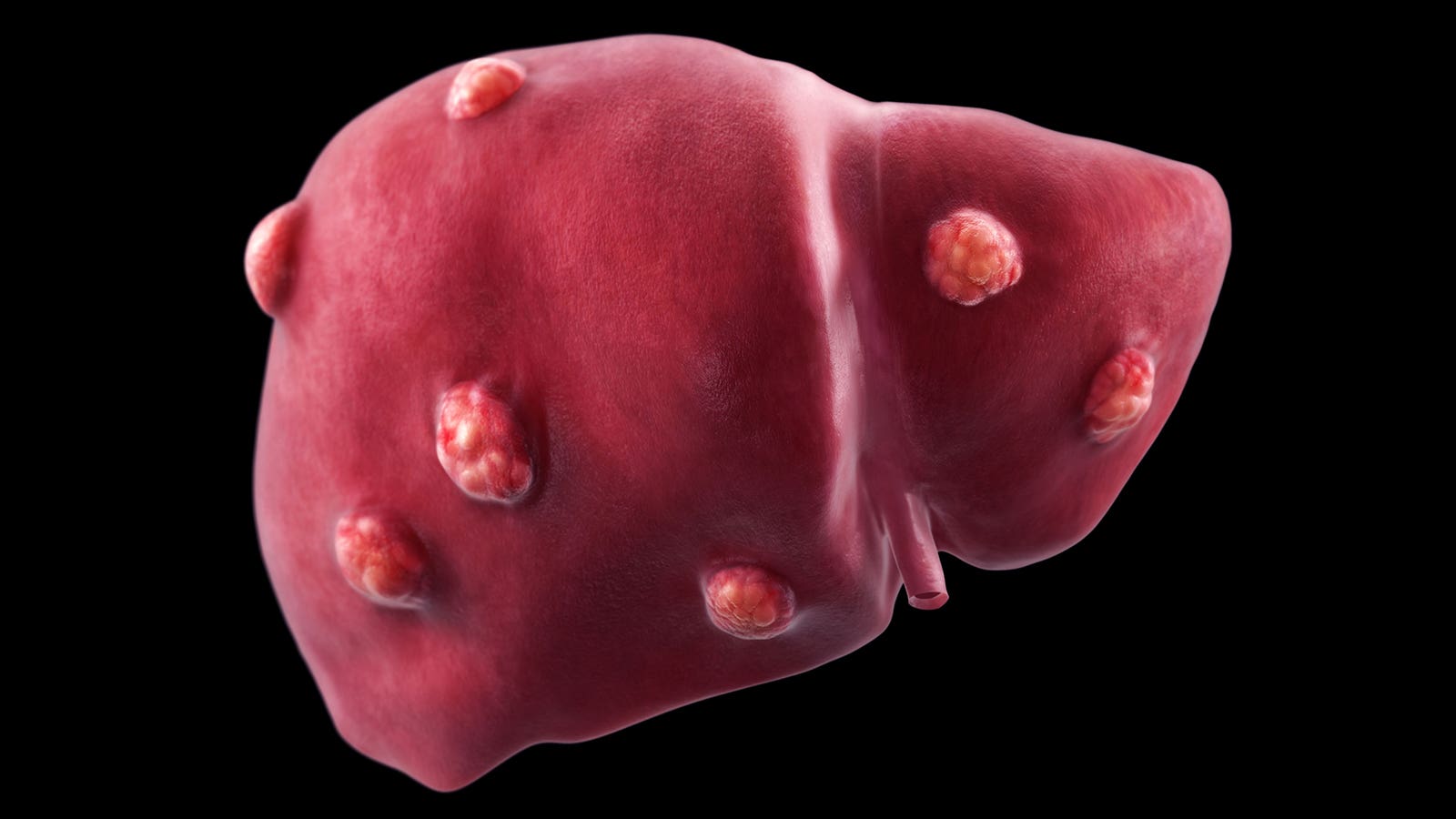
Comparative Outcomes of Surgery and Ablation for Small Liver Tumors
A recent large-scale study conducted in Japan has revealed that surgery and ablation are equally effective for treating small liver tumors. The findings, published in the Journal of Clinical Oncology, highlight that patients undergoing either procedure had similar outcomes in terms of overall survival (OS) and recurrence-free survival (RFS). These results provide valuable insights into treatment options for individuals with hepatocellular carcinoma (HCC), particularly those with smaller tumors.
In a randomized trial, 5-year OS was recorded at 74.6% for patients who underwent surgery and 70.4% for those who received radiofrequency ablation (RFA). Although there was a slight difference, it did not meet statistical significance. Similarly, 5-year RFS was nearly identical, with 42.9% for surgery and 42.7% for RFA. These findings suggest that both treatments offer comparable long-term benefits for patients.
A separate nonrandomized cohort study further supported these conclusions, showing no significant differences in OS or RFS between surgery and RFA for patients with tumors ≤3 cm and three or fewer lesions. However, the authors emphasized that the results may be most applicable to patients with smaller tumors—specifically, those with a largest HCC diameter of ≤2 cm and a single lesion. This is because 90% of participants in the randomized study had a single nodule, and 65% had tumors ≤2 cm.
Despite the high 5-year OS rates, more than half of the patients in each group required additional treatment for recurrent disease. Notably, patients who underwent repeat interventions had the highest 5-year OS, around 80%. This highlights the effectiveness of follow-up treatments when HCC recurs. In the randomized study, approximately 70% of patients received either surgery or RFA for recurrence. Interestingly, RFA was selected significantly more often than surgery for managing recurrent cases, indicating its growing role in clinical practice.
The study also found no advantage to using transarterial chemoembolization (TACE) before surgery or RFA. This suggests that TACE may not be necessary as a preliminary step in treating small liver tumors.
Experts believe the results from this Japanese study can be applied to U.S. clinical practice, even though there are some differences between Asian and North American populations. Daniel B. Brown, MD, from Vanderbilt University Medical Center, noted that the findings are especially relevant for small HCCs. He pointed out that while the local progression rate was higher in the ablation group, this does not necessarily equate to recurrence. Instead, it reflects the proximity of the tumor to the margins.
Brown also highlighted key differences in risk factors and treatment technologies. For instance, hepatitis B is more prevalent in Japan compared to the U.S., where nonalcoholic steatohepatitis (NASH) has become a major concern. Additionally, microwave energy is commonly used in the U.S. for ablation, which is more powerful than the radiofrequency technology employed in the study. Despite these differences, the study's results remain relevant, as the use of older technology still yielded strong outcomes.
The 2025 update to the National Comprehensive Cancer Network (NCCN) guidelines now classifies both surgery and ablations as preferred therapies for small liver tumors. This allows practitioners to tailor their approach based on individual patient characteristics and multidisciplinary team recommendations.
Study Background and Methodology
The SURF-RCT (Surgery vs. Radiofrequency Ablation for Small Liver Tumors) trial aimed to compare the effectiveness of surgery and RFA for small HCCs. The study included 302 patients in the randomized trial and 753 patients in the observational SURF-Cohort. Both studies had co-primary endpoints of RFS and OS. However, enrollment in the SURF-RCT was slower than anticipated, resulting in a final sample size below the original goal of 600 patients.
Patients in the study typically had a single HCC nodule, with a median tumor diameter of 1.8 cm. Serious adverse events were rare, occurring in only 3% of the surgery group and none in the RFA group. The median follow-up period was about 6.5 years for both groups.
In the SURF-Cohort, several imbalances were observed between the groups. The RFA group had a higher proportion of women, patients with higher Child-Pugh scores, and those infected with hepatitis C. Additionally, more patients in the RFA group had tumors ≤2 cm. While the 5-year OS was slightly higher in the surgery group (79.8% vs. 78%), the difference was not statistically significant after adjustments. The 5-year RFS showed a marginal difference (47.2% vs. 37.5%), but this became nonsignificant after accounting for baseline differences.
Conclusion and Implications
The authors concluded that both surgery and RFA are equally effective for treating small liver tumors, and treatment decisions should be based on individual patient conditions and tumor characteristics. The study underscores the importance of a personalized, multidisciplinary approach to HCC management.
This research contributes to the growing body of evidence supporting the use of ablation as a viable alternative to surgery for certain patients. As medical technology continues to evolve, future studies will likely explore how newer techniques, such as microwave ablation, compare with traditional methods like RFA.

Post a Comment for "Surgery and Ablation Yield Comparable Results for Small Liver Tumors"
Post a Comment