Study reveals factors behind disaster preparedness and trust in aid
Understanding Disaster Preparedness in the United States
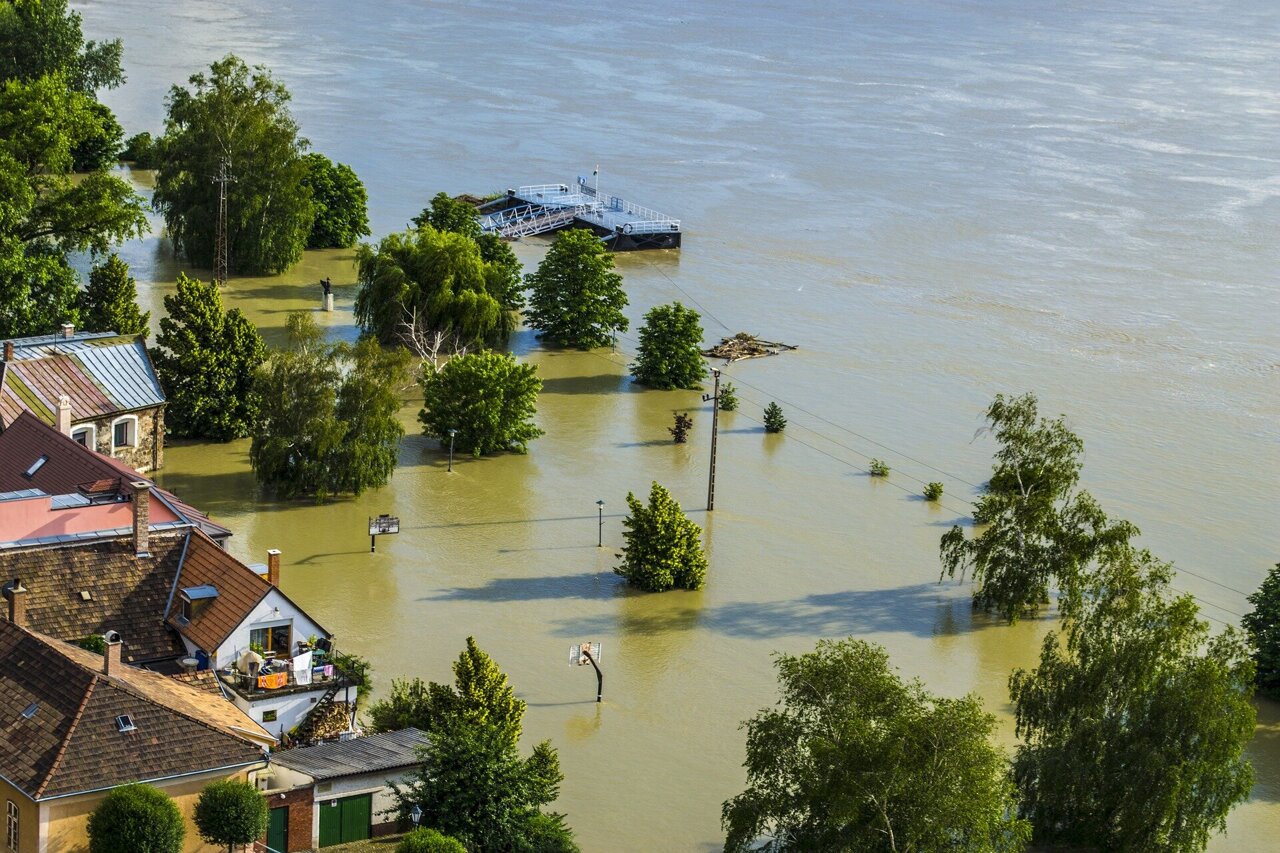
The recent flash flooding in the Texas Hill Country during the July 4 holiday weekend serves as a sobering reminder that the United States is among the most disaster-prone countries globally. In 2023 alone, the nation experienced 28 natural disasters that caused nearly $93 billion in damage. These events included floods, tropical cyclones, tornadoes, winter storms, wildfires, and droughts with heat waves. Experts warn that these extreme weather events are expected to become more frequent and severe in the coming years.
Dr. Christine Crudo Blackburn, a faculty member at the Texas A&M University School of Public Health, highlights the importance of disaster preparedness. She explains that many fatalities and injuries from disasters could be prevented with proper preparation. The national Healthy People 2030 program aims to increase the number of adults who have an emergency plan and know how to evacuate during a disaster. However, prior to this study, there was limited data on effective measures to achieve these goals.
Key Findings from the Study
To address this gap, researchers conducted a cross-sectional survey of 2,989 adults in the United States from April to June 2024. The study, published in Public Health Reports, aimed to identify factors associated with disaster readiness and trust in disaster assistance. Participants answered questions about their emergency kits, evacuation plans, access to emergency information, and reliance on community members, local government, and the National Guard during and after a disaster.
The findings revealed several key insights. Individuals who were more likely to have an evacuation plan and emergency kit, and who trusted disaster assistance, tended to be men, had previous disaster experience, and worked part-time or full-time. However, three areas stood out: age, race, and political affiliation.
Age and Trust in Government
The study found that individuals aged 55 and older were more likely to report knowing where to access emergency information and feeling confident about staying safe during a natural disaster. They also expressed higher trust in assistance provided by local governments and the National Guard. This contrasts with previous studies, which suggested that younger adults were more prepared. However, it aligns with research indicating that older adults tend to have more trust in government-issued evacuation orders.
Race and Political Affiliation
In contrast to earlier findings, the study identified no meaningful relationships between disaster preparedness and race. However, it did find that Democrats felt more confident than Republicans in their ability to access emergency information. This raises important questions about whether the difference stems from a lack of knowledge or a lack of trust in information sources. Future research is encouraged to explore these implications for disaster messaging and response efforts.
Implications for Public Health
The study's findings could help public health officials develop strategies to improve disaster preparedness across various subpopulations in the United States. By understanding the factors that influence preparedness and trust in assistance, officials can tailor their efforts to better serve different communities.
This research underscores the need for ongoing efforts to enhance disaster readiness, especially as climate change continues to impact the frequency and severity of natural disasters. With the right strategies and resources, it is possible to reduce the risks and impacts of these events on individuals and communities.

Post a Comment for "Study reveals factors behind disaster preparedness and trust in aid"
Post a Comment