Stop Wasp Damage on Fruit Trees with This Simple Trick
The Benefits of Growing Your Own Fruit
Growing your own fruit offers a range of benefits that go beyond just enjoying fresh produce. When you harvest fruit at its peak ripeness, you experience a level of flavor that is often unmatched by store-bought options. Additionally, consuming freshly picked fruit can provide more nutrients, as the levels of vitamins, minerals, and antioxidants begin to decline once the fruit is picked. The longer the fruit takes to reach the store and the more time it spends on display, the lower its nutrient content tends to be.
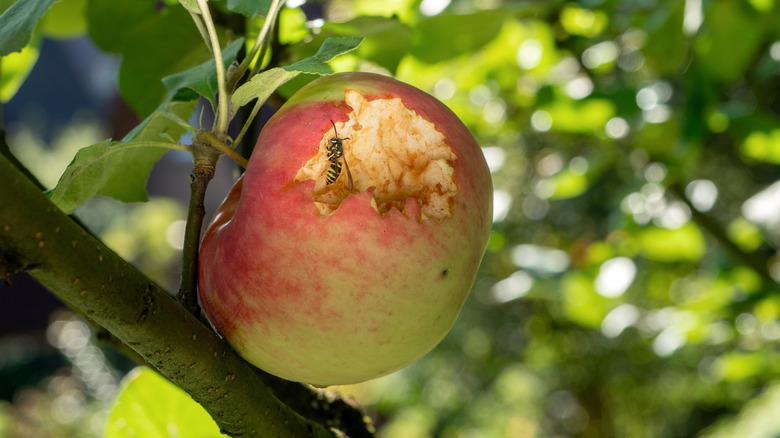
Despite these advantages, some people avoid growing fruit trees due to concerns about wasps. These insects are particularly attracted to ripe, sugary fruits like peaches and apples. Their presence can make the harvesting process frustrating and even dangerous, as they may sting when disturbed. Fortunately, there are effective solutions to protect your fruit without harming the wasps or other beneficial pollinators.
Protective Fruit Bags: A Smart Solution
Using protective fruit bags is an excellent way to keep wasps and other pests away from your fruit. These bags create a physical barrier around the developing fruit, preventing wasps from accessing it while still allowing air and sunlight to reach the fruit for proper growth. This method also helps keep birds and other animals from damaging your crop, eliminating the need for bird netting, which can pose risks to smaller wildlife.
In addition to deterring pests, fruit bags can help prevent damage such as bruises, sun scald, and other blemishes. Some studies have shown that using these bags can even extend the shelf life of certain fruits, such as mangos. To get the best results, it's important to choose the right type of bag for your fruit trees and apply them at the optimal time.
Timing and Application
Timing is crucial when it comes to using fruit bags. They should be placed over fruit that is not yet ripe, before wasps become aware of the sweetness. It's also important to ensure that the fruit is free from disease before covering it. For larger fruits like mangos or Asian pears, one bag per piece is typically necessary. Some bags come with drawstrings that need to be tightly secured to keep out pests, while others may require tying with twine if they don’t have this feature.
Planting daffodils near your fruit trees can also help deter rodents such as rats and mice, adding an extra layer of protection.
Types of Protective Fruit Bags
There are several types of fruit bags available, each with its own advantages. Paper bags are an affordable option that allows for adequate airflow and sunlight, making them ideal for many types of fruit. Plastic bags with zipper seals work well for certain produce but should be avoided for stone fruits, which require better ventilation.
Reusable organza bags are more expensive but offer long-term value. They often come with drawstrings that help keep pests away and can also protect against moths and slugs. Nylon mesh bags, such as those in a 100-pack of Rifny fruit protection bags, are another strong choice. These bags provide excellent protection from both insects and environmental elements and can be reused multiple times.
For those looking for a cost-effective alternative, repurposing laundry bags can be a practical solution. If the bags don’t have drawstrings, securing them with twine is a simple and effective method. Choosing the right type of bag and applying it correctly can significantly improve the success of your fruit-growing efforts.

Post a Comment for "Stop Wasp Damage on Fruit Trees with This Simple Trick"
Post a Comment