Stay safe in NYC summer: Fight floods, mosquitoes, and ticks
Public Health Highlights in New York: Measles, Floods, Ticks, and West Nile Virus
New York continues to face a variety of public health challenges this summer. From extreme weather events to ongoing concerns about infectious diseases, staying informed is essential for protecting yourself and your community. Here’s a breakdown of what’s happening across the city and beyond.
Flooding in New York: A Growing Threat
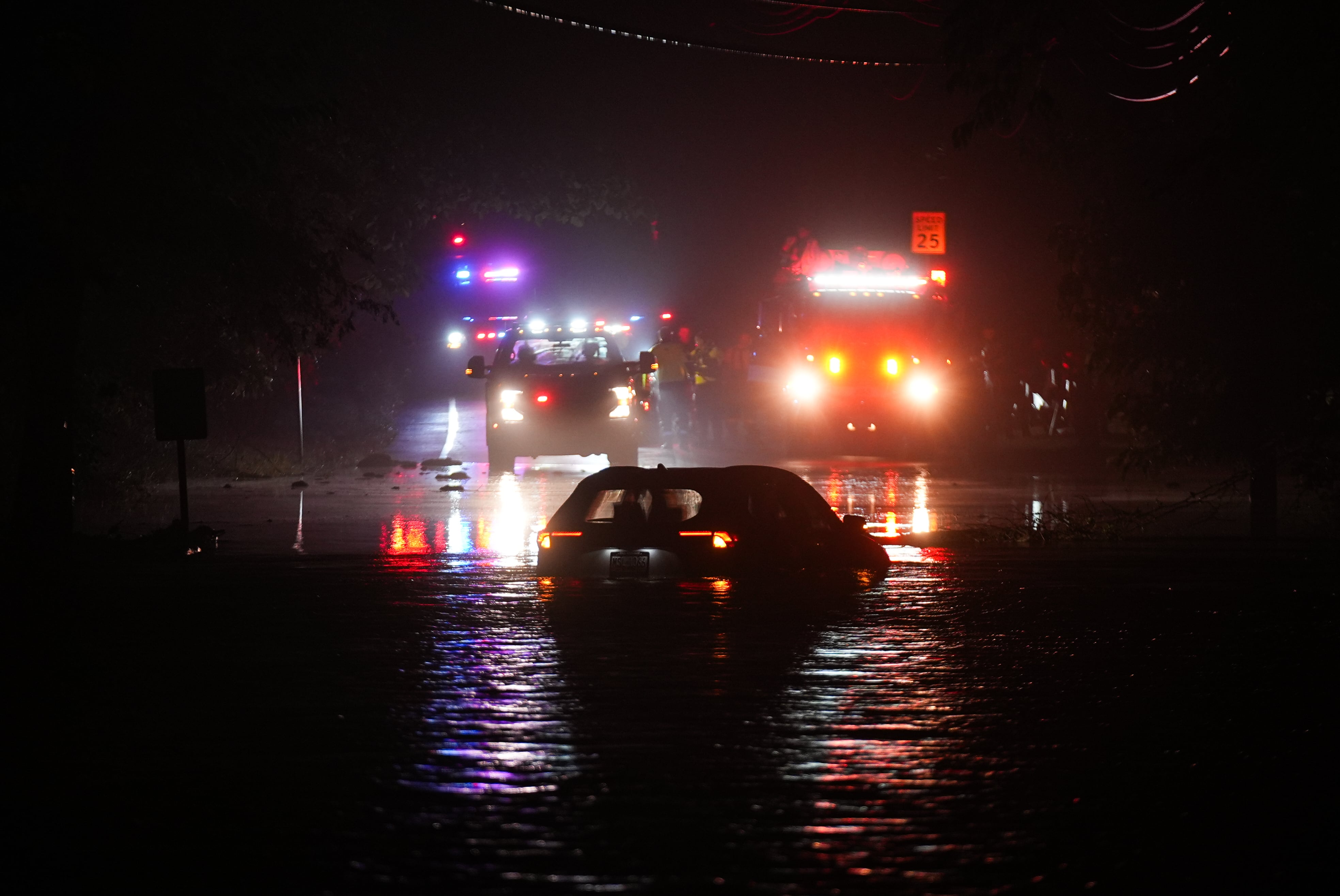
This week, parts of New York and New Jersey experienced severe flooding due to heavy rainfall and aging sewer systems. Central Park recorded its second-wettest hour in history, with over 2 inches of rain falling in just one hour on Monday night. The flooding led to disrupted transportation, including closed roads and subway lines, and tragically resulted in two deaths in New Jersey after individuals were swept away by rising waters.
Although the immediate danger has passed, the event highlights the vulnerability of communities to flooding. The New York City Department of Health recently identified flooding as one of the top public health hazards for residents. To prepare for future incidents, it’s important to take proactive steps:
- Use FloodHelpNY: This online resource provides flood risk assessments based on your location.
- Sign up for alerts: Stay informed by registering for NYC Emergency Alerts or tuning into NOAA Weather Radio.
- Know your plan: If you live in a basement apartment, be ready to move to higher ground during heavy rain. Avoid walking or driving through flooded areas, as even shallow water can be dangerous.
Measles Outbreak in Ocean County, New Jersey
New Jersey has reported a measles case in Ocean County, prompting health officials to begin contact tracing. While details about the case are limited, the situation underscores the importance of vaccination. The MMR vaccine remains the best defense against measles, especially for those planning to travel internationally or to regions experiencing outbreaks.
Key recommendations include:
- Get vaccinated: Ensure you and your family are fully immunized with the MMR vaccine at least two weeks before any planned travel.
- Consider a single dose: If travel is less than two weeks away and you’re not yet vaccinated, getting one dose of the MMR vaccine is advised.
- Consult your healthcare provider: Discuss the best options for your specific situation.
Public health experts continue to warn about rising measles cases nationwide, emphasizing the need for increased vaccination rates to prevent outbreaks.
Low COVID Activity in New York
So far this summer, New York has seen minimal activity related to COVID-19. While this is welcome news, it’s still important to remain vigilant and follow public health guidelines, especially as we head into the fall season.
Tick Bites Remain a Major Concern in the Northeast
The Fordham Tick Index, which measures tick bite risk in the tri-state area, currently stands at 9 out of 10 — indicating a very high risk. Black-legged ticks, which can transmit Lyme disease, are prevalent throughout New York, including urban areas like New York City. With over 9,000 Lyme disease cases reported annually, the threat is significant.
To protect yourself and your pets from ticks:
- Use repellent: Apply products containing DEET, picaridin, or IR3535 on exposed skin.
- Treat clothing: Use permethrin-based products on clothes and gear.
- Avoid tall grass: Stick to the center of trails and avoid brushing against plants.
- Check for ticks: After spending time outdoors, check yourself and children thoroughly, especially in hard-to-see areas like under arms and in hair.
- Wash and dry clothes: Place clothing in a hot dryer for 10 minutes to kill any hidden ticks.
- Protect pets: Treat dogs for ticks to prevent them from bringing ticks into your home.
If a tick is found attached to your skin, remove it promptly with tweezers and monitor for symptoms. Early treatment is crucial to preventing complications.
West Nile Virus Detected in New York City Mosquitoes
As mosquito season continues in New York, the virus has been detected in mosquitoes in the Bronx, Queens, and Staten Island. While no human cases have been reported yet, the virus can pose a risk to older adults and those with weakened immune systems.
To reduce the risk of mosquito bites:
- Use EPA-approved repellent: Especially during dawn and dusk when mosquitoes are most active.
- Dress appropriately: Long sleeves and pants can offer protection.
- Eliminate standing water: Empty flower saucers, buckets, and other containers that can hold water.
- Limit outdoor exposure: Avoid being outside during peak mosquito hours if possible.
Currently, there are no scheduled spraying events, but updates will be shared as they become available.
Final Thoughts
Staying informed and taking preventive measures are key to navigating the public health challenges facing New York this summer. Whether it’s preparing for floods, protecting against ticks, or staying up to date on vaccinations, every step counts. As always, consult with healthcare professionals to determine the best course of action for you and your family.

Post a Comment for "Stay safe in NYC summer: Fight floods, mosquitoes, and ticks"
Post a Comment