Stay Safe in New York and New Jersey During a Busy Tick Season
Understanding the Rise in Tick Encounters
Experts are reporting a significant increase in tick activity and encounters this summer, with more tick-related emergency room visits compared to the same period last year. This trend is particularly noticeable in the Northeast, where emergency room visits for tick-related issues have risen by 20% to 30%. The rise in tick encounters has raised concerns about the spread of tick-borne illnesses, especially Lyme disease.
Lyme disease rates have nearly doubled since the pandemic, and climate change is being considered as a contributing factor. Ticks thrive in warm and humid conditions, which are becoming more common due to changing weather patterns. As a result, ticks that carry Lyme disease are expanding into new areas across the U.S., increasing the risk for people in previously unaffected regions.
Key Precautions to Stay Safe
With the increased presence of ticks, taking preventive measures when spending time outdoors is crucial. Experts recommend several strategies to reduce the risk of tick bites:
- Stay on trails: Avoid wooded and brushy areas, and stay in the center of trails whenever possible.
- Wear protective clothing: Long pants should be tucked into socks, and shirts should be tucked into pants to limit access to skin.
- Use repellents: EPA-registered insect repellents can help keep ticks away. Treat clothing with products containing 0.5% permethrin or opt for pre-treated clothing.
- Check for ticks: After being outdoors, thoroughly check your body and clothes for ticks. The CDC provides detailed guidelines for effective tick checks.
What to Do If Bitten by a Tick
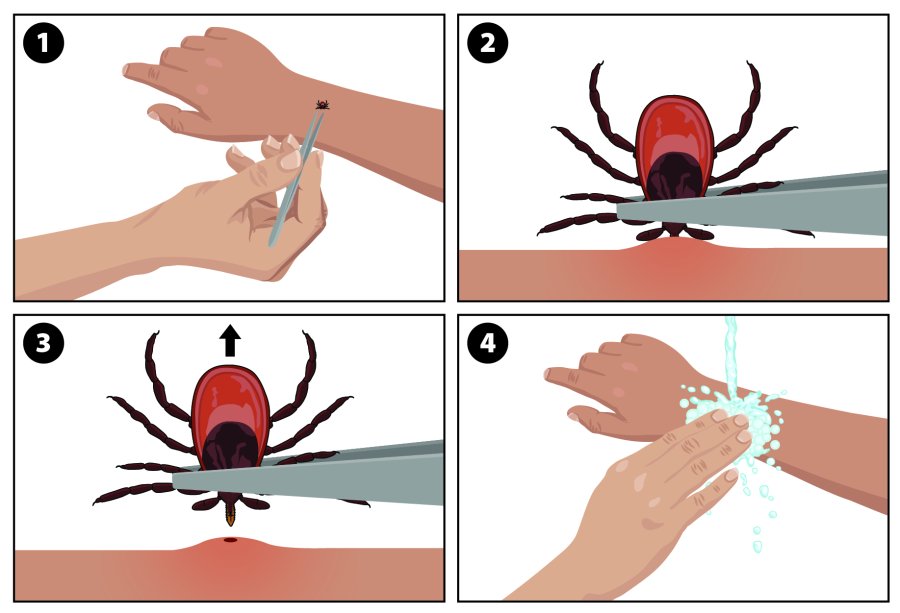
If you find a tick attached to your skin, it’s important to remove it as soon as possible. The CDC states that a tick usually needs to be attached for more than 24 hours to transmit Lyme disease. To remove a tick:
- Use tweezers to grasp the tick as close to the skin as possible.
- Pull upward steadily without twisting or jerking.
- If tweezers are not available, use fingers to remove the tick.
After removal, clean the area with rubbing alcohol or soap and water. Proper disposal methods include placing the tick in a sealed container, wrapping it in tape, flushing it down the toilet, or submerging it in rubbing alcohol. You can also report tick encounters through resources like The Tick App or the University of Rhode Island’s TickSpotter to identify the species and learn more about tick safety.
Recognizing Symptoms of Lyme Disease
Lyme disease symptoms may appear days or even months after a tick bite. Early signs include a bull’s-eye rash, fever, chills, fatigue, headaches, muscle aches, joint pain, and swollen lymph nodes. If left untreated, later symptoms can include severe headaches, multiple rashes, facial drooping, and persistent pain in muscles, joints, tendons, and bones.
The CDC advises seeking medical attention if you experience any of these symptoms and have been bitten by a tick or have recently traveled to an area where Lyme disease is prevalent.
Understanding How Lyme Disease Spreads
Two species of ticks in the U.S. can carry Lyme disease: the black-legged tick (deer tick) and the western black-legged tick. Identifying the type of tick that bit you is essential to determine your risk of contracting a tick-borne illness. While these ticks are the primary carriers of Lyme disease, other tick species can cause different illnesses.
Black-legged ticks are most active in the Northeast during spring and fall, while nymphal ticks are more common in the summer. Nymphs are particularly dangerous because they are small and difficult to spot. Lyme disease is most prevalent in the Northeast, Mid-Atlantic, and northern Midwest, with roughly 20% to 30% of young deer ticks in the Northeast carrying the disease.
As tick activity increases, staying informed and taking preventive measures is more important than ever. Whether you're enjoying a hike, camping trip, or simply walking in your backyard, awareness and preparation can significantly reduce your risk of tick bites and the associated health threats.

Post a Comment for "Stay Safe in New York and New Jersey During a Busy Tick Season"
Post a Comment