"Sorry, Baby": The Unconventional Path to Recovery
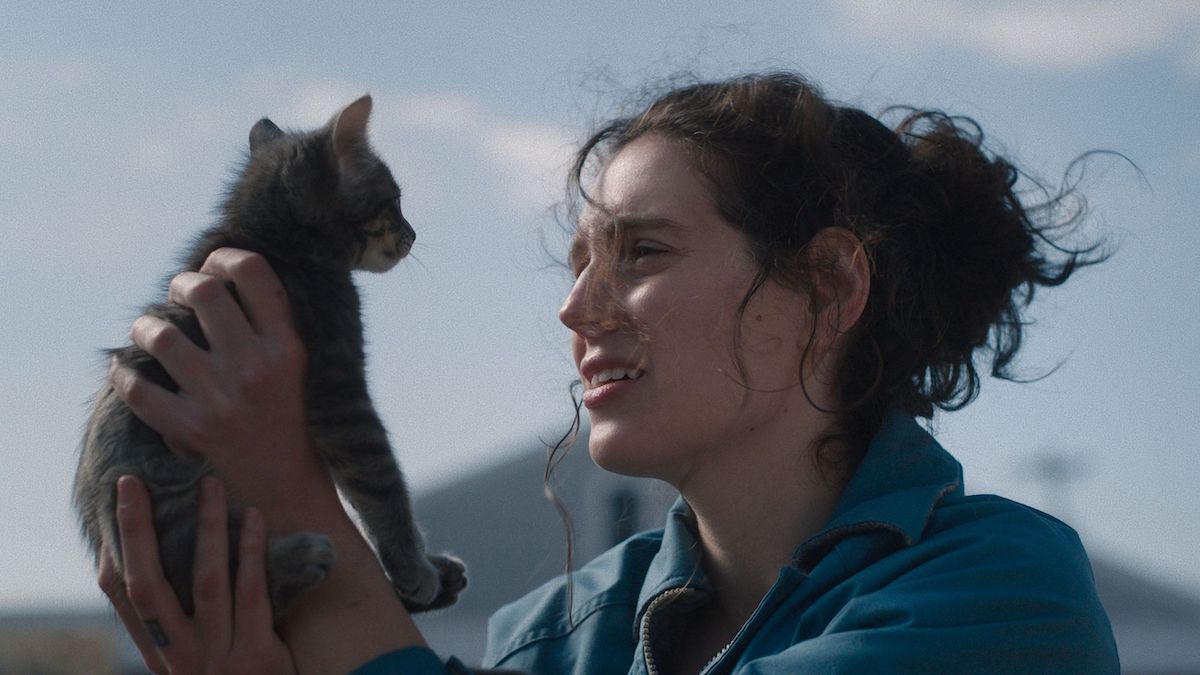
A Journey Through Trauma and Healing
Life is full of challenges, some small and others life-altering. While minor inconveniences like burning your tongue on hot coffee or a flat tire are frustrating, there are moments that leave lasting scars. These are the experiences that change how we see the world forever. “Sorry, Baby” delves into this kind of trauma, offering a deeply personal exploration of healing after sexual assault.
The film, written and directed by Eva Victor in their feature debut, stars Victor as Agnes, a college professor navigating the aftermath of a traumatic event. Through a sensitive and thoughtful approach, Victor captures the complexity of healing, blending pain, humor, and tenderness. The narrative is not just about the harm inflicted but also about the ways people support one another during difficult times.
A Nonlinear Narrative
Set against the backdrop of Massachusetts’ cold climate, “Sorry, Baby” unfolds in a nonlinear fashion. It begins long after the traumatic event has occurred, with Agnes’ friend Lydie (Naomie Ackie) visiting to share the news of her pregnancy. This revelation serves as a catalyst for Agnes to reflect on the past, leading to the section titled “The Year With the Bad Thing,” where the story of her assault is revealed.
Victor handles this sensitive subject matter with care, avoiding explicit depictions of the assault while still conveying its impact. The scene is built through subtle visual cues and sound, creating an atmosphere of tension and dread. Agnes enters the professor’s home during the day, and as the door closes, the setting shifts from daylight to dusk and then to night. The silence between frames amplifies the unease, making the audience acutely aware of what transpired without needing to see it directly.
Emotional Complexity and Institutional Critique
One of the film's most powerful moments occurs when Agnes recounts the assault to Lydie. Her tone is calm, almost robotic, with a forced attempt at humor that falls flat. This moment highlights the emotional distance many survivors feel after such an experience. However, there are two scenes that feel slightly out of place: one where Agnes meets with a doctor and another with the college administration. These scenes aim to critique how institutions respond to sexual assault, but they come across as more didactic than organic.
While these critiques are valid, they contrast with the rest of the film’s raw honesty. The majority of the story focuses on the muddled emotions that follow trauma, showcasing how individuals react in real-time. For instance, when Agnes is called for jury duty and asked if she has ever been a victim of a crime, the situation becomes emotionally charged. Despite her attempts to deflect with humor, the truth becomes evident, and the room fills with discomfort.
Community and Support
The way people respond to Agnes—whether through Lydie’s unwavering support, a doctor’s frustration, or the pity of strangers—underscores the film’s central theme. We cannot control when bad things happen, nor can we dictate how others will react. What matters is finding moments of healing and connection. In one scene, a stranger helps Agnes during a panic attack, inviting her to have a sandwich on the sidewalk. Their conversation reveals Agnes’s guilt over forgetting the assault over time, and the stranger’s response is both empathetic and sincere.
These interactions highlight the balance of vulnerability, anguish, and humor that defines “Sorry, Baby.” As Agnes learns to cope, she shares this lesson with Lydie’s baby: protecting someone from all life’s hardships is impossible. The best we can do is offer them something positive to counterbalance the pain.
Conclusion
“Sorry, Baby” is a poignant reflection on trauma and resilience. Its nonlinear structure and emotional depth make it a compelling narrative that resonates with anyone who has faced adversity. By focusing on the human connections that emerge in the wake of pain, the film offers a powerful message about healing and community.

Post a Comment for ""Sorry, Baby": The Unconventional Path to Recovery"
Post a Comment