Seafood Focus: Studies Uncover Microplastic Detection in Food
The Challenge of Detecting Microplastics in Seafood
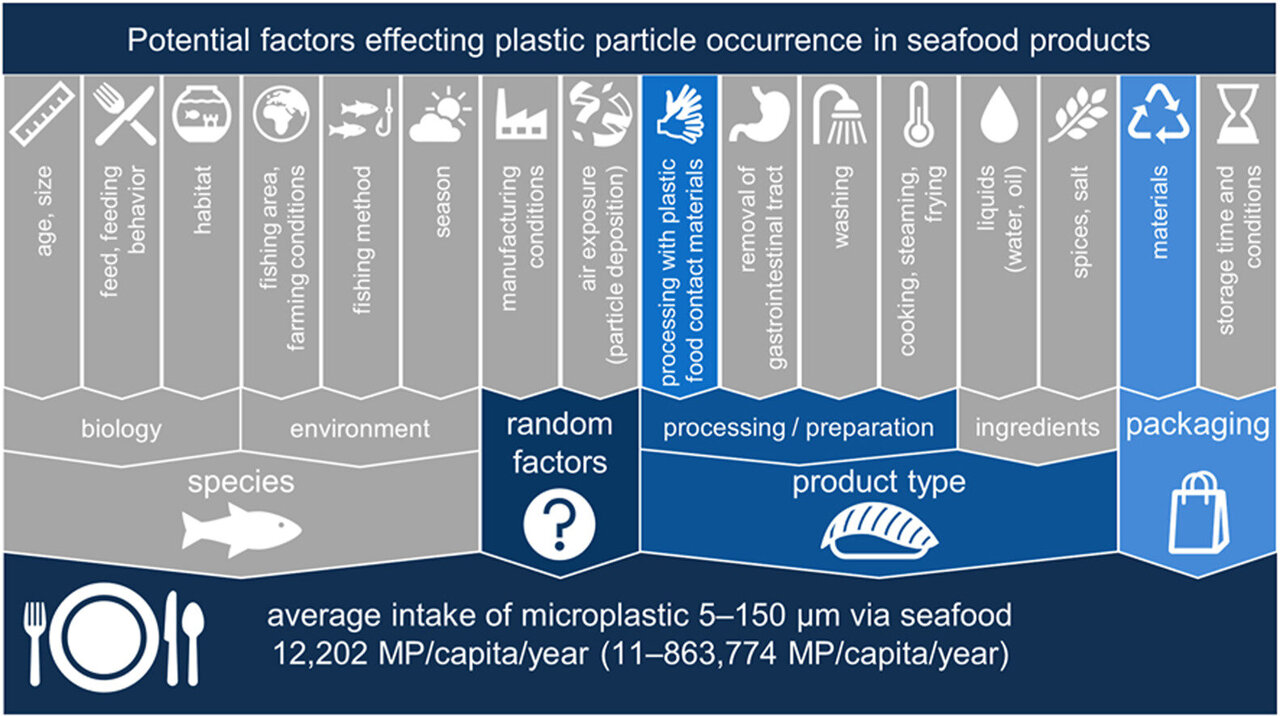
The presence of microplastics in seafood has become a growing concern among scientists and consumers alike. However, determining exactly how much microplastic ends up on our plates is a complex task. This is because there are no standardized methods for analyzing microplastics in food products, making it difficult to compare results across different studies or assess the reliability of the data.
To address this issue, researchers at the Max Rubner-Institut have developed new techniques to quantify microplastics in seafood. Their work aims to create a more accurate and consistent approach to measuring these tiny plastic particles, which are often invisible to the naked eye.
Overcoming Methodological Challenges
One of the main challenges in detecting microplastics in seafood is the need to remove organic compounds such as proteins, fats, and carbohydrates from the edible flesh without damaging the microplastic particles themselves. Julia Süssmann, a researcher at the Max Rubner-Institut and lead of the project, explains that the process requires careful handling to ensure the integrity of the plastic particles.
Her team developed a specialized method using enzymes and chemicals to break down the seafood tissues. Once the organic material is removed, the plastic particles are separated from the liquid through pressure filtration. This technique allows for a more precise analysis of microplastic content in seafood samples.
Advanced Detection Techniques
In addition to physical separation methods, the researchers have also explored advanced detection techniques. One such method involves mass-based analysis, where samples are heated in an inert atmosphere to decompose organic matter and produce gaseous byproducts. Scientists can then use these signals to calculate the amount of plastic present in the sample.
Another innovative approach is selective staining with fluorescent dyes like Nile red. This method helps visualize small, colorless plastic particles that are often hard to detect under traditional light microscopy. To avoid confusion with natural particles, such as shrimp shells or bone fragments, a second dye is used to suppress the fluorescence of biological materials.
Combined with semi-automatic image analysis, this technique enables scientists to distinguish between microplastics and natural debris. It allows for a detailed characterization of the number, size, and shape of plastic particles in a given sample.
Dealing with Contamination Risks
Despite their best efforts, researchers face additional challenges when working with microplastics. Plastic particles can easily contaminate samples through laboratory equipment, protective clothing, or even the chemicals used in the process. To minimize this risk, Süssmann and her team took extreme precautions during their experiments.
They also conducted parallel tests using "blank samples" to identify any potential contamination. This step was crucial in ensuring the accuracy of their findings and distinguishing between naturally occurring particles and those introduced during the testing process.
Exploring Nanoplastics
The research team also investigated the presence of nanoplastics—tiny plastic particles that are even smaller than microplastics. However, isolating these particles from food samples proved extremely difficult. Even after chemical digestion, nanoplastics tended to clump together, and some adhered to the pores of the membrane filters used in the process.
Additionally, natural components in food, such as proteins and fats, interfered with the detection of plastic particles. As a result, reliable methods for identifying nanoplastics in seafood are still being developed.
Broader Implications of Microplastics
While the focus of this research has been on seafood, Süssmann notes that microplastics are not limited to marine environments. Her team has found evidence of plastic particles in other food sources, including milk, meat, eggs, and honey. This suggests that microplastics may be more widespread in the food supply than previously thought.
According to the Federal Institute for Risk Assessment, current scientific knowledge indicates that microplastics in food are unlikely to pose significant health risks to humans. However, further research is needed to understand the long-term effects of microplastic exposure, including how they are absorbed into the body and what physiological impacts they may have.
Future Directions
As the field of microplastic research continues to evolve, the development of standardized analytical methods will be essential for improving the accuracy and consistency of data. Ongoing studies, such as those conducted by Süssmann and her colleagues, will play a critical role in advancing our understanding of microplastics in the food chain and their potential impact on human health.

Post a Comment for "Seafood Focus: Studies Uncover Microplastic Detection in Food"
Post a Comment