Scientists Uncover Key Breakthroughs in Battle Against New Health Threats
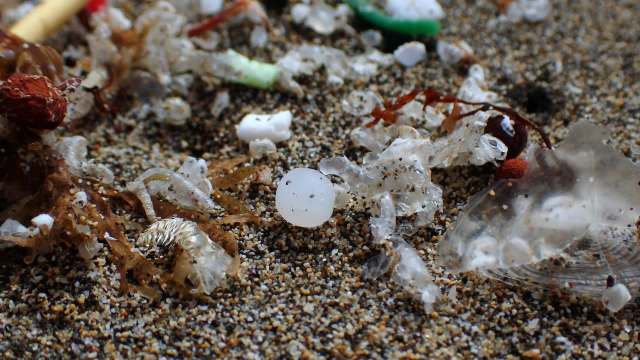
The Growing Threat of Microplastics
Microplastics are a pervasive issue that has infiltrated nearly every corner of our environment. They can be found in our oceans, in the food we eat, and even inside our bodies. This invisible threat is becoming an increasing concern for scientists and environmentalists around the world.
A New Study on Public Participation
A recent study from the University of Portsmouth in the U.K. explored how public volunteers can play a significant role in addressing this challenge. Researchers examined various protocols for capturing plastic pollution along coastlines and whether citizen scientists can help fill critical data gaps. The study compared three leading methods for sampling microplastics and mesoplastics across southern England, including two citizen science protocols and one used by European researchers.
The goal was to determine which approaches are the most accurate, efficient, and user-friendly. The findings indicated that while there isn’t a single best method, public involvement is a powerful tool. One technique, the Big Microplastic Survey, often detected more plastic than others, while AUSMAP was the fastest and most accessible. The EU's MSFD method provided the most accurate lab results but requires lab access or formal training.
Dr. David Jones, lead author of the study, emphasized the importance of volunteer participation. "In a perfect world, yes, we'd all be using the same protocol," he said. "But the variations in coastal geomorphology around the world make this challenging. We are not going to stop volunteers from getting involved — nor should we."
Why Microplastics Matter
Plastic pollution is one of the most widespread environmental issues and is increasingly becoming a human health crisis. According to the study, up to 13 million tons of plastic enter our oceans every year. Larger plastics break down into smaller pieces called microplastics and mesoplastics, which can be easily ingested by marine life and passed on to humans through the food chain.
Recent studies have detected plastic particles in human blood, lungs, and even the placenta. While we're just beginning to understand the long-term health impacts, early research suggests potential links to inflammation, hormone disruption, and increased toxicity. Better data collection leads to better chances of addressing the issue and protecting our long-term health.
Dr. Michelle Hale, co-author of the study, stated, "When it comes to understanding our plastic-choked coastlines, every piece of data counts — no matter how it's collected."
Efforts to Combat Plastic Pollution
While international organizations work toward global protocols, this research highlights the role of everyday people in tracking and combating pollution. Volunteer-based methods may not be perfect, but they are valuable, especially as researchers work to bridge the gap between different tools and environments.
Individual Actions Matter
Individual action still matters in the fight against plastic pollution. Reducing reliance on single-use plastics, choosing reusable alternatives, and supporting policies to limit plastic pollution can all contribute to the solution. These small steps add up and can make a significant difference over time.
By making informed choices and supporting sustainable practices, individuals can play a crucial role in reducing the impact of microplastics on our environment and health. As the study shows, every effort counts, and the collective power of volunteers can drive meaningful change.

Post a Comment for "Scientists Uncover Key Breakthroughs in Battle Against New Health Threats"
Post a Comment