RFK Jr. Seeks to Revive Vaccine Industry in the U.S.
The Controversial Future of the Vaccine Injury Compensation Program
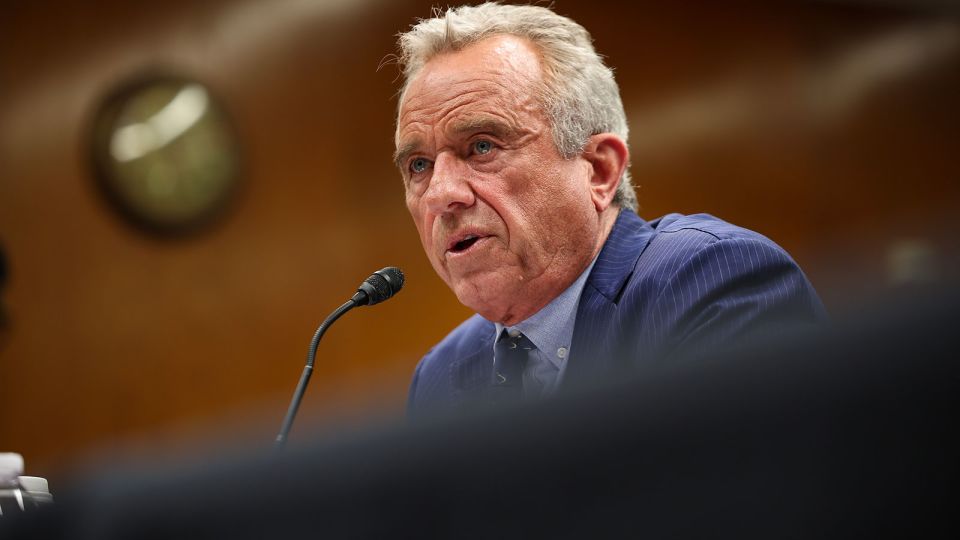
Robert F. Kennedy Jr., the newly appointed Secretary of Health and Human Services, has set his sights on a critical but little-known program: the Vaccine Injury Compensation Program (VICP). This program plays a key role in ensuring that children receive safe and effective vaccines while also providing compensation for rare but serious side effects. However, Kennedy’s approach to the VICP could have far-reaching consequences for public health.
The VICP was established in the 1980s after a surge in lawsuits against vaccine manufacturers threatened to drive them out of the market. The program allows individuals who suffer from injuries caused by vaccines to seek compensation without proving negligence. Instead, it operates as a no-fault system, with a special tax on immunizations funding the trust that provides these awards. This arrangement protects manufacturers from costly legal battles, which helps ensure that vaccines remain available to the public.
Kennedy, known for his anti-vaccination stance, has long criticized the VICP, arguing that it removes incentives for pharmaceutical companies to produce safer products. In a recent interview with Tucker Carlson, he reiterated long-debunked claims that vaccines cause autism and suggested they may be linked to other conditions like diabetes and narcolepsy. He also announced plans to overhaul the program and expand the types of injuries that qualify for compensation.
There are several ways Kennedy could destabilize the program. For instance, if the government made it easier for common health problems to qualify for compensation, the trust fund could quickly run out of money. Alternatively, he could remove certain vaccines from the list of those covered by the program, exposing manufacturers to the kinds of lawsuits that led many to leave the U.S. market in the 1980s.
Dr. Eddy Bresnitz, a former New Jersey state epidemiologist and vaccine executive at Merck, expressed concern about the potential impact of Kennedy’s actions. “If his unstated goal is to basically destroy the vaccine industry, that could do it,” he said. “They are for-profit companies with shareholders, and anything that detracts from the bottom line that can be avoided, they will avoid.”
PhRMA, a U.S. trade group representing pharmaceutical companies, warned that upending the VICP would threaten access to FDA-approved vaccines. A spokesperson for the group stated that the program has compensated thousands of claims while ensuring the continued availability of a safe and effective vaccine supply.
Since its creation, the VICP has paid out approximately $4.8 billion in awards for harm from serious side effects. The federal agency overseeing the program found that for every 1 million doses of vaccine distributed between 2006 and 2023, about one person was compensated for an injury.
Kennedy’s leadership has already sparked controversy. He reneged on the U.S. government’s pledge to fund vaccinations for the world’s poorest kids and fired the entire federal advisory group that recommends which shots Americans get. His new team has vowed to scrutinize the U.S. childhood immunization schedule, leading to a resurgence of measles, which hit a grim record of more cases than the U.S. has seen in 33 years.
The American Academy of Pediatrics and other medical societies recently sued Kennedy, accusing him of dismantling “the longstanding, Congressionally-authorized, science- and evidence-based vaccine infrastructure.” The federal government has yet to respond to the suit.
Vaccines are unique in that they are given to healthy people, including newborns, and often provide protection not just for the individual but for the broader community. The CDC estimates that routine childhood immunizations have prevented more than 1.1 million deaths and 32 million hospitalizations among the generation of Americans born between 1994 and 2023.
However, the U.S. vaccine system is surprisingly fragile. There are only a handful of companies that make nearly all of the shots children receive, and if any were to drop out, the country could face a crisis similar to the one that led to the creation of the VICP in 1986.
The program covers vaccines recommended for children or pregnant women once Congress approves the special tax that funds awards. While the current system has helped stabilize the vaccine industry, it faces challenges. Staff levels haven’t kept up with the caseload, and the number of special masters is capped at eight, despite increasing demands.
Kennedy has been involved in civil litigation related to vaccines. In his federal disclosures, he revealed that he referred plaintiffs to a law firm filing cases against Merck over its HPV shot in exchange for a 10% cut of the fees if they win. However, he later claimed that any money from those cases would go to one of his sons, who works at the law firm benefiting from the referrals.
While the VICP has succeeded in stabilizing the business of childhood vaccines, experts acknowledge there are issues. The program’s staff levels haven’t kept up with the caseload, and the law capped the number of special masters at eight, with congressional bills to increase that failing. An influx of adult claims swamped the system after adverse reactions to flu shots became eligible for compensation in 2005 and serious shoulder problems were added to the injury table in 2017.
Kennedy has also criticized the program, calling the lawyers of the Department of Justice corrupt and saying they prioritize protecting the trust fund over helping injured individuals. He has brought in a team to work on overhauling the program, though the details remain unclear.
Andrew Downing, a counselor in Kennedy’s office, has a history of filing claims with the program and suits in civil courts on behalf of clients alleging harm from shots. HHS awarded a contract for “Vaccine Injury Compensation Program expertise” to Downing’s firm, raising concerns about potential conflicts of interest.
Kennedy has indicated he wants to expand the program’s three-year statute of limitations so that more people can be compensated. He has also suggested adding new ailments to the list of injuries that qualify for quicker awards, including autism, diabetes, and others. However, experts warn that such changes could bankrupt the program and lead to the end of vaccine manufacturing in the U.S.
The future of the VICP remains uncertain. While some lawmakers, like Rep. Paul Gosar, have proposed legislation to allow people to bypass the no-fault system and head straight to civil court, the bill never came up for a vote. A spokesperson for Gosar said he expects to introduce it again soon.
Renée Gentry, director of the George Washington University Law School’s Vaccine Injury Litigation Clinic, thinks it’s unlikely Congress will blow up the no-fault program. However, she acknowledges that predicting what Congress would do in a doomsday scenario is difficult. “Talking about vaccines on the Hill is like walking on a razor blade that’s on fire,” she said.

Post a Comment for "RFK Jr. Seeks to Revive Vaccine Industry in the U.S."
Post a Comment