Researchers Sound Alarm on Surge in GI Cancers Among Young Adults
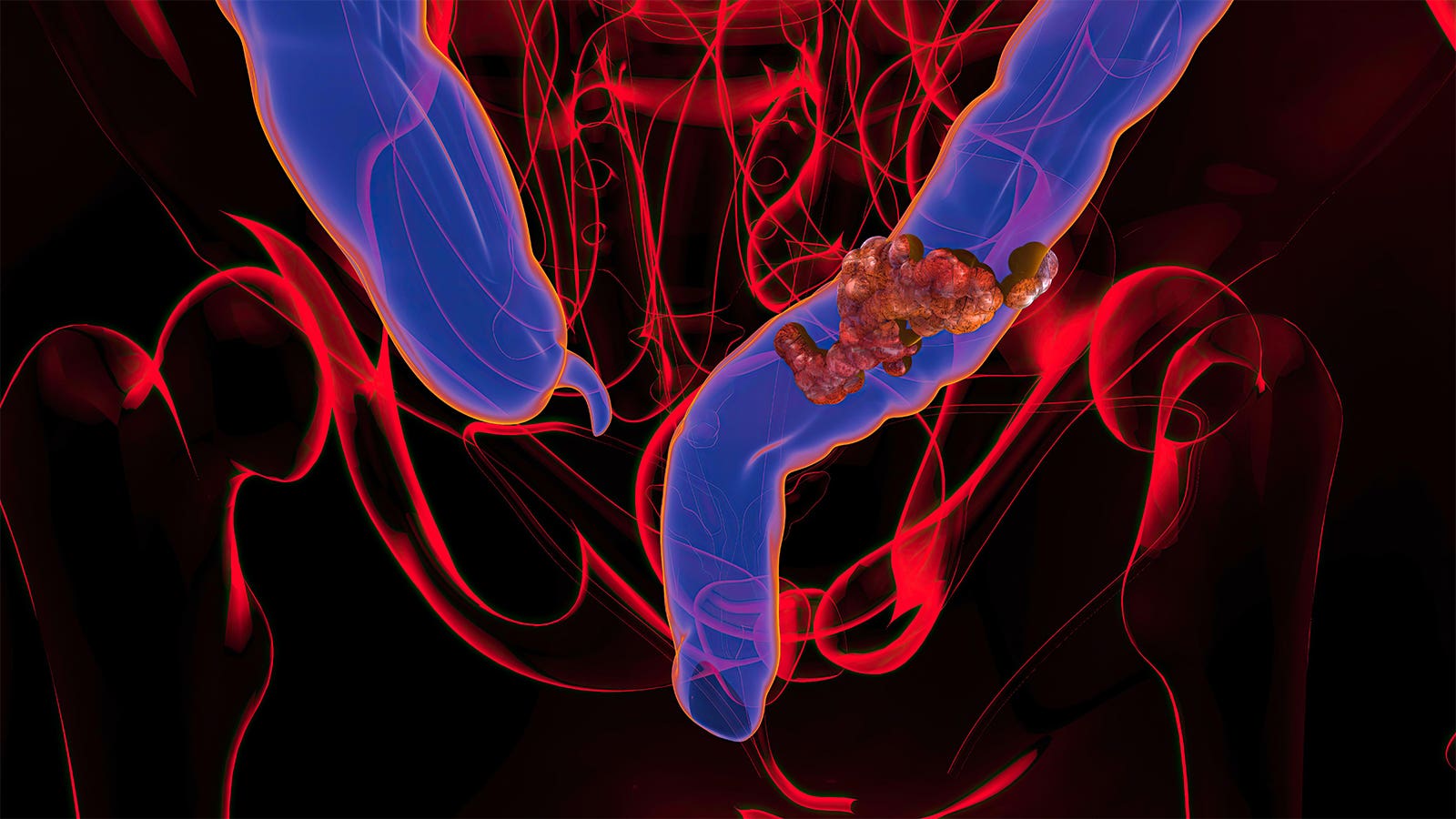
Rising Incidence of Early-Onset Gastrointestinal Cancers
The global rise in early-onset gastrointestinal (GI) cancers has become a growing concern among medical professionals and researchers. According to a comprehensive literature review, these cancers—diagnosed before the age of 50—are now the fastest-growing type of early-onset cancer in the United States. The data highlights a troubling trend that demands urgent attention from both the medical community and public health officials.
In 2022, colorectal cancer (CRC) was the most frequently reported early-onset GI cancer globally, accounting for 54.3% of cases. Gastric cancer followed with 23.8%, esophageal cancer at 13.2%, and pancreatic cancer at 8.6%. These figures reflect a significant shift in the landscape of cancer diagnoses, particularly as they affect younger populations.
In the U.S., the number of individuals diagnosed with early-onset GI cancers has seen a steady increase over recent years. For example, in 2022 alone, 20,805 people were diagnosed with early-onset CRC, while 2,689 had early-onset gastric cancer, 2,657 had early-onset pancreatic cancer, and 875 had early-onset esophageal cancer. This pattern is consistent with broader trends observed between 2010 and 2019, when the age-standardized incidence rate of early-onset GI cancers rose from 11.49 to 13.65 per 100,000 population. This represents an average annual percentage change (AAPC) of 2.16%, underscoring the rapid growth of this issue.
Despite overall declines in CRC incidence among all age groups in the U.S., early-onset CRC has been increasing by approximately 2% annually in both men and women. It currently accounts for 14% of all CRC cases. Similarly, while CRC-associated mortality has decreased by 1.7% per year, early-onset CRC-related death rates have increased by 1% annually between 2011 and 2020. This discrepancy highlights the challenges in diagnosing and treating these cancers in younger patients.
Pancreatic cancer, another major concern, saw an AAPC of 2.4% between 2013 and 2022 in the U.S. Globally, early-onset gastric cancer increased from 2015 to 2019, with an annual percentage change (APC) of 1.39% among individuals under 40. Additionally, the incidence of early-onset esophageal cancer rose between 2016 and 2022, with an APC of 1.8%.
Experts like Kimmie Ng, MD, MPH, and Thejus Jayakrishnan, MD, emphasize that many of these rising cancer types are linked to factors such as obesity and environmental influences. "With all of these gastrointestinal cancers already having strong links and associations with multiple modifiable risk factors, it is a top area of investigation to determine exactly what kinds of environmental exposures are at play," Ng said.
Modifiable risk factors include poor dietary habits, such as high consumption of processed meats, sugar-sweetened beverages, and ultraprocessed foods. A sedentary lifestyle, cigarette smoking, and alcohol consumption also contribute to the risk. Non-modifiable factors, such as hereditary cancer syndromes like Lynch syndrome and inflammatory bowel disease, further complicate the picture.
Ng highlighted the importance of awareness regarding the rise of early-onset cancers. "There have been documented studies that show significant delays in diagnosis among younger patients," she noted. Prompt diagnosis is crucial to prevent these patients from being diagnosed with advanced or metastatic stages of cancer.
Determining the underlying causes of these increases could lead to better risk stratification and more effective screening guidelines. Researchers have reviewed a wide range of studies, including 115 articles published between January 2014 and March 2025, along with data from three cancer statistics databases. These efforts aim to provide a clearer understanding of the factors contributing to this alarming trend.

Post a Comment for "Researchers Sound Alarm on Surge in GI Cancers Among Young Adults"
Post a Comment