Rep. Arrington Discusses FEMA, Healthcare, and Spending at Hill Nation Summit
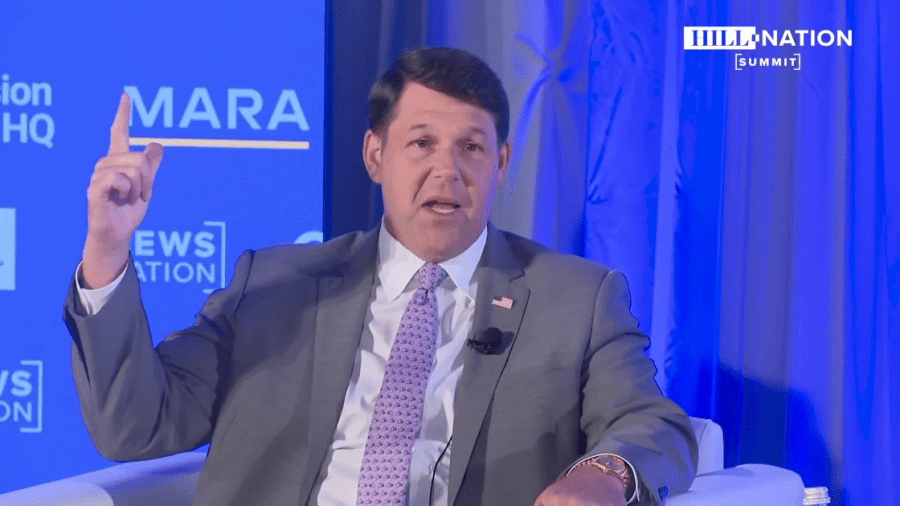
U.S. Representative Discusses Key Issues at Hill Nation Summit
At the Hill Nation Summit, a full-day bipartisan event in Washington, D.C., U.S. Representative Jodey Arrington engaged in discussions on a variety of critical topics, including FEMA, healthcare, government spending, and the legacy of President Donald Trump. Representing Texas’ District 19, which includes Lubbock, Plainview, and Abilene, Arrington provided insights into several pressing issues facing the nation.
Reforms and Preparedness: The Role of FEMA
When asked about FEMA and its role in addressing recent natural disasters, such as the Texas floods, Arrington highlighted the importance of restructuring the Federal Emergency Management Agency. He referenced his experience during the aftermath of Hurricane Katrina and Rita under President George W. Bush, where significant changes were made to the Stafford Act.
Arrington emphasized that local and state governments are often more responsive to community needs than federal agencies. "Those closest to the people and the problem are best suited and situated," he said. He also pointed out that while large-scale disasters can be expensive, there is potential for better risk mitigation through shared resources and preparedness efforts.
Healthcare Funding and Rural Hospitals
The conversation then shifted to the second reconciliation package and its impact on Medicaid and rural hospitals. Arrington acknowledged concerns about potential closures but argued that the bill struck a balance. He mentioned a $50 billion rural hospital fund as a key component of the plan, along with savings from reducing waste, fraud, and abuse in the system.
He criticized the provider tax, calling it a scheme that resembles money laundering. "I don’t want to keep a scheme that’s not in the best interest of taxpayers or beneficiaries just because some have benefited from it," he said. Arrington also suggested alternative ways to fund hospitals that could be more efficient and equitable.
Medicare and Hospital Payments
Arrington also addressed the issue of Medicare payments, noting that hospitals are reimbursed more than independent physician groups for the same outpatient procedures. He proposed a site-neutral payment model, which could save $150 billion and reduce the concentration of assets in the medical field. This approach, he argued, would prevent the creation of monopolies and ensure fairer reimbursement practices.
Public Broadcasting and Taxpayer Dollars
The discussion extended to funding for public broadcasting entities like PBS and NPR. Arrington expressed concerns about using taxpayer dollars to support what he described as biased media. While he did not claim to speak for the entire Republican Party, he argued that the federal government should not subsidize media organizations.
He emphasized that local stations, which are closer to the communities they serve, provide relevant and valuable information. "I think the private sector is more than sufficient," he said. Arrington believed that challenges faced by the private sector could be addressed without relying on nationalized multimedia operations.
Conclusion
Representative Arrington's remarks at the Hill Nation Summit reflected a commitment to balancing federal oversight with local responsibility, ensuring that taxpayer funds are used effectively, and supporting the needs of rural communities. His insights underscore the ongoing debates over healthcare reform, emergency management, and the role of public broadcasting in American society.

Post a Comment for "Rep. Arrington Discusses FEMA, Healthcare, and Spending at Hill Nation Summit"
Post a Comment