Rare 'flesh-eating' bacteria kills 4 in Florida: Key facts to know
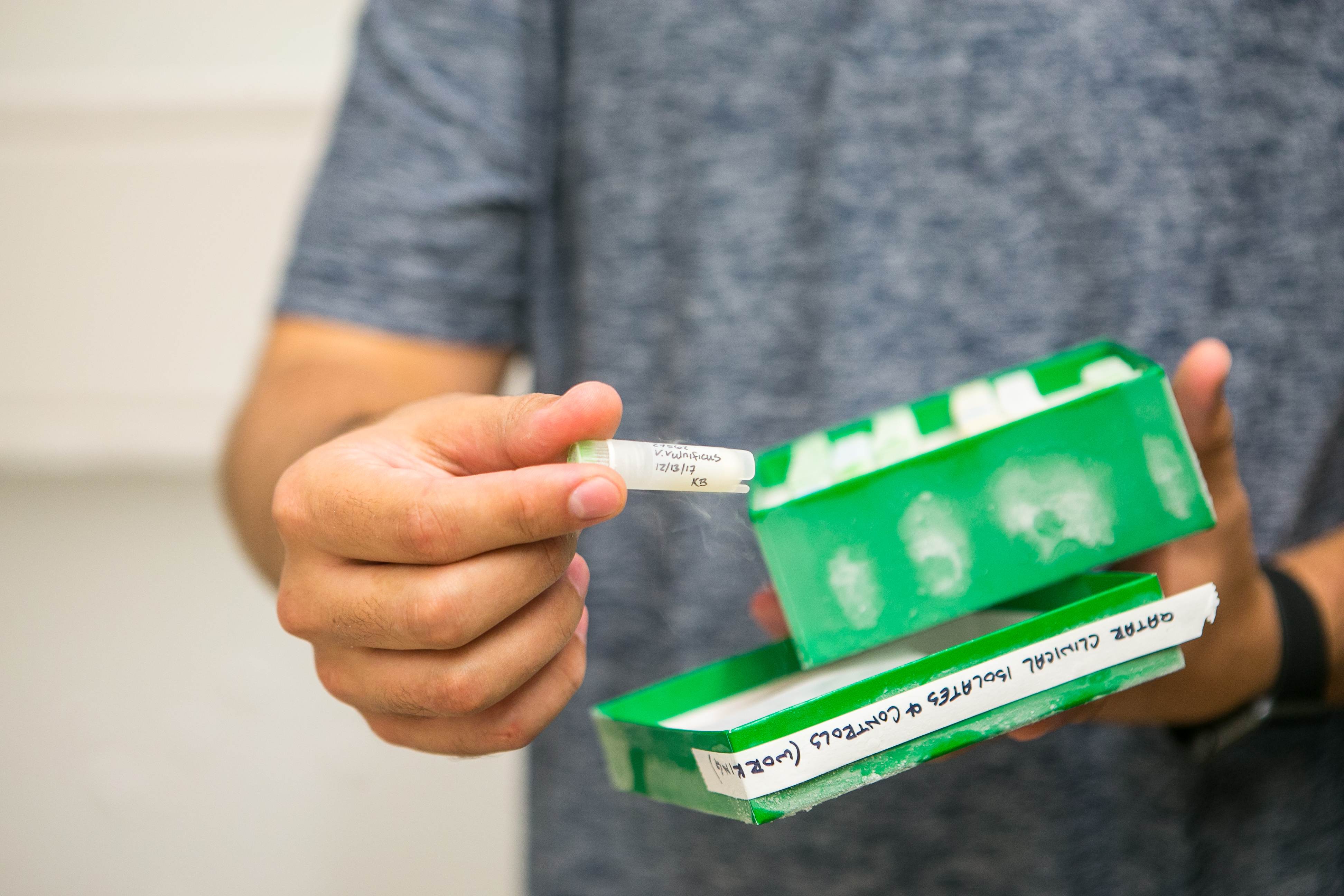
Understanding the Threat of Vibrio vulnificus
Florida health officials have reported that four individuals have died and several others have fallen ill this year due to a rare "flesh-eating" bacteria known as Vibrio vulnificus. This bacterium, commonly found in saltwater, brackish water, and contaminated raw or undercooked seafood, has been responsible for four deaths across four different counties in the state. At least seven people have also been affected by the infection.
Infections caused by Vibrio vulnificus are relatively uncommon, with an average of 150 to 200 cases reported annually to the Centers for Disease Control and Prevention (CDC). While these cases are most frequently reported in Gulf Coast states, recent research indicates that the bacteria is moving northward as climate change leads to warmer ocean temperatures.
Most healthy individuals who come into contact with the bacteria may experience only mild symptoms. However, for some, particularly those whose immune systems are compromised, the infection can be life-threatening. If the bacteria enters the bloodstream or affects an open wound, it can lead to severe complications. According to the CDC, approximately one in five people infected with Vibrio vulnificus die from the infection, sometimes within just one to two days of becoming ill. Others may require surgery or even amputation following exposure.
Where Does Vibrio Vulnificus Live?
Vibrio bacteria naturally occur in coastal waters throughout the year. Vibrio vulnificus specifically requires saltwater to survive and spread, although it can also thrive in brackish water, which is a mixture of freshwater and seawater.
Most infections occur when individuals ingest contaminated water or when the bacteria enters through an open wound. Another common source of infection is consuming contaminated raw or undercooked seafood, particularly shellfish like oysters. In Florida, which has the highest rate of Vibrio vulnificus infections in the country, there is often a surge in cases following major hurricanes. These storms bring seawater onto land, causing flooding and mixing seawater with freshwater sources.
Between 2016 and 2024, Florida averaged about 48 cases and 11 deaths per year from Vibrio vulnificus. In 2022, during Hurricane Ian, the state recorded 74 cases and 17 deaths. Last year, the number of cases increased to 82, with 19 deaths, which health officials attributed to the impact of Hurricanes Helene and Milton.
Why Is It Called 'Flesh-Eating' Bacteria?
Despite its name, Vibrio vulnificus does not actually eat tissue. The bacteria cannot penetrate intact skin but can enter the body through existing wounds. If the bacteria enters through a cut, scrape, or wound, it can cause necrotizing fasciitis, a condition where the flesh around the infection site dies. Individuals who contract the infection through wounds may require extensive surgical procedures or even limb amputations, according to the CDC.
What Are the Symptoms of Vibrio Vulnificus?
Common symptoms of Vibrio vulnificus infection include diarrhea, stomach cramps, nausea, vomiting, and fever. When open wounds come into contact with contaminated salt or brackish water, the bacteria can cause discoloration, swelling, skin breakdown, and ulcers. Additionally, the bacteria can invade the bloodstream, leading to severe and potentially life-threatening illnesses such as septic shock, especially in individuals with pre-existing health conditions.
According to the Florida Department of Health, bloodstream infections caused by Vibrio vulnificus are fatal in about 50% of cases.
How to Avoid Vibrio Vulnificus
To reduce the risk of infection, the Florida Department of Health and the CDC recommend the following precautions:
- Avoid entering saltwater or brackish water if you have an open wound or cut. If you get a cut while in the water, leave immediately.
- Cover any open wounds or cuts with a waterproof bandage if they might come into contact with saltwater, brackish water, or raw or undercooked seafood.
- Cook shellfish, such as oysters, clams, and mussels, thoroughly before eating.
- Prevent cross-contamination between cooked seafood and other foods by keeping them separate from raw seafood and its juices.
- Always wash your hands with soap and water after handling raw shellfish.
- Seek medical attention promptly if you suspect an infection from a wound.
By understanding the risks associated with Vibrio vulnificus and taking preventive measures, individuals can better protect themselves from this dangerous bacterium.

Post a Comment for "Rare 'flesh-eating' bacteria kills 4 in Florida: Key facts to know"
Post a Comment