Puerto Rico Prohibits Gender-Affirming Care for Minors
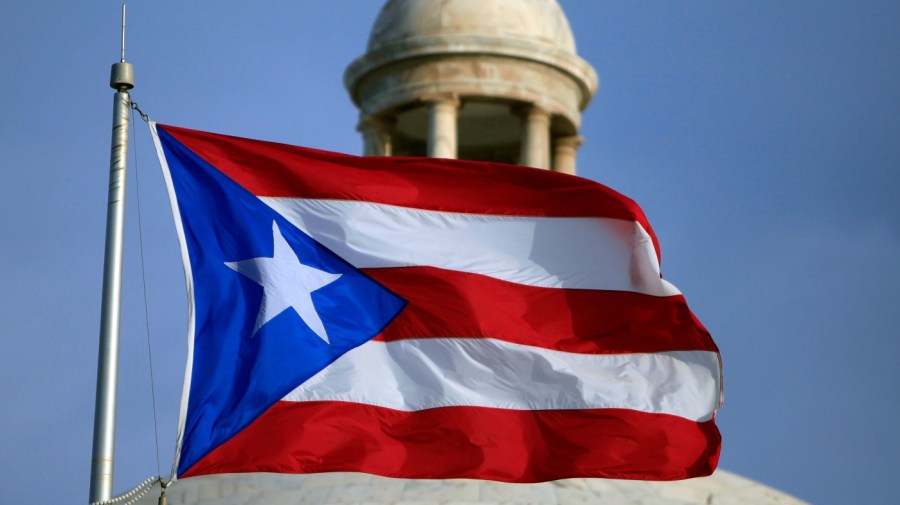
New Law in Puerto Rico Restricts Access to Gender-Affirming Care for Minors
A new law signed by Governor Jenniffer González-Colón of Puerto Rico has sparked significant debate across the United States. This legislation prohibits transgender individuals under the age of 21 from receiving gender-affirming hormone therapy or surgeries. The law, which takes effect in October, imposes severe penalties on healthcare professionals who provide such care, including fines of up to $50,000 per violation, a 15-year prison sentence, and permanent loss of medical licenses.
The rationale behind the law is rooted in the belief that minors lack the emotional, cognitive, and physical maturity necessary to make irreversible decisions about their bodies. According to the legislation, it is the responsibility of the state to ensure the well-being of its young people. This approach aligns with similar laws in other U.S. states and territories, which have increasingly restricted access to gender-affirming care for minors.
Broader Context of Restrictions on Gender-Affirming Care
Puerto Rico’s new law is one of the most restrictive in the country, as the island defines legal adulthood at age 21. This means that the ban on gender-affirming care applies to individuals up to that age, making it more comprehensive than many state-level restrictions. Since 2021, approximately half of the United States has enacted laws limiting access to hormones, puberty blockers, and surgical procedures for children and teens under 18.
In Alabama and Nebraska, similar restrictions apply up to the age of 19. These laws reflect a growing trend among conservative lawmakers to limit gender-affirming care, often citing concerns over the long-term effects of such treatments on minors. In January, an executive order was issued by the previous administration that aimed to end federal support for gender-affirming care for young people.
Supreme Court Upholds Tennessee’s Ban on Transition-Related Care
In June, the U.S. Supreme Court ruled in favor of Tennessee’s ban on transition-related care for minors. The court upheld the state’s law, arguing that it does not discriminate based on sex or transgender status. This decision was met with criticism from major medical organizations, which emphasized the importance of gender-affirming care for both adults and minors. These groups argue that such care can be lifesaving and essential for the mental and physical health of transgender individuals.
Despite these criticisms, conservative leaders in Puerto Rico have praised the new law. They view it as a necessary measure to protect children and promote the well-being of all minors. Puerto Rican Senate President Thomas Rivera Schatz, who authored the bill, expressed his support on social media, stating that the protection of children is fundamental and non-negotiable.
Reactions from Advocacy Groups
Several advocacy groups, including the Puerto Rico Psychological Association, the American Civil Liberties Union (ACLU), and the Puerto Rican Association of Professional Counseling, had urged Governor González-Colón to veto the bill. These organizations argued that the law would harm transgender youth and violate their rights to appropriate medical care.
On Thursday, the LGBTQ+ Federation of Puerto Rico announced its intention to challenge the new law in court. The federation criticized the governor for signing a law that criminalizes healthcare professionals for providing care to transgender minors. Justin Jesús Santiago, co-director of the federation, stated that they will fight the law’s constitutionality, calling it cruel and inhumane.
Criticism from Local Leaders
Pedro Julio Serrano, president of the LGBTQ+ Federation, expressed disappointment in the governor’s actions. He described her as the most anti-equity leader in history, highlighting the negative impact of the law on the transgender community. His comments underscore the deep divisions surrounding the issue, as advocates and opponents continue to clash over the best way to protect and support transgender youth.
As the debate continues, the implications of this law for the transgender community in Puerto Rico remain a pressing concern. The situation highlights the broader national conversation about the rights of transgender individuals and the role of government in regulating medical care.

Post a Comment for "Puerto Rico Prohibits Gender-Affirming Care for Minors"
Post a Comment