Planned Parenthood fights to maintain Medicaid funding amid legal battle
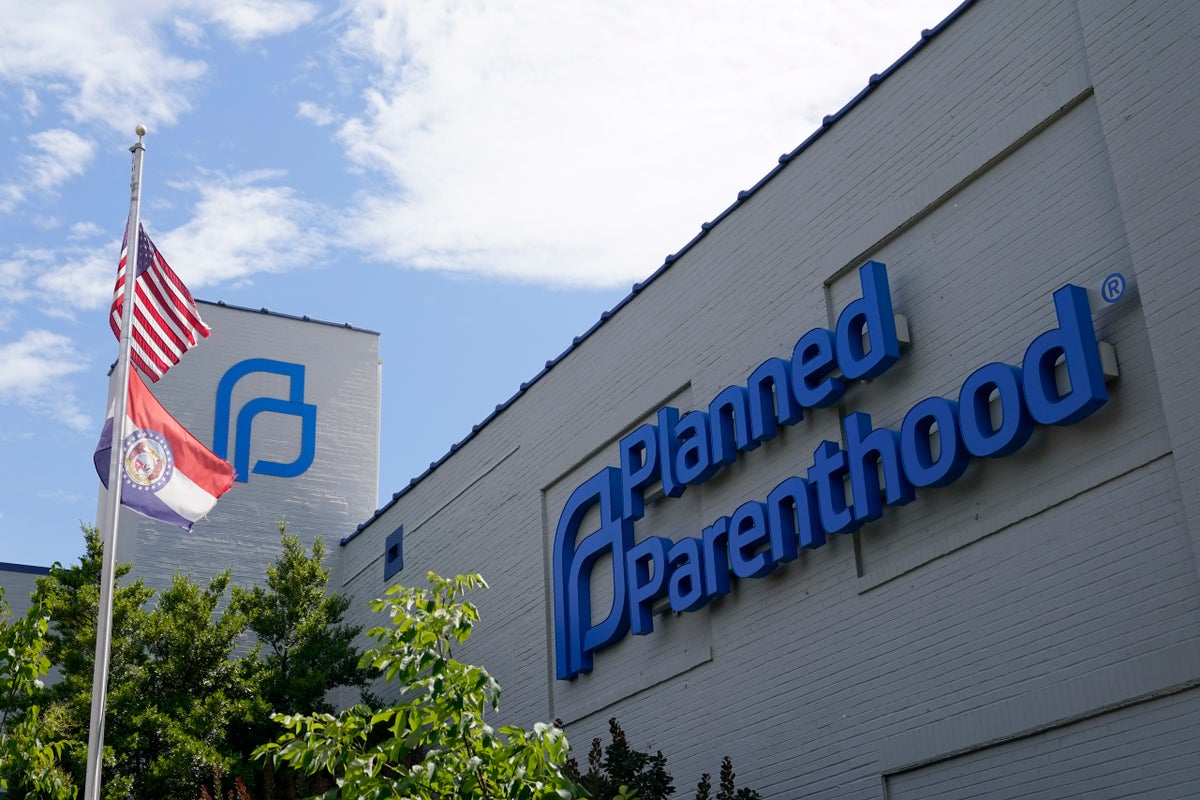
Legal Battle Over Medicaid Funding for Abortion Providers
Planned Parenthood clinics across the United States have taken their fight to federal court, arguing that cutting off Medicaid funding to its abortion providers would harm vulnerable patients who already face limited access to healthcare. The organization, along with its affiliates in Massachusetts and Utah, is challenging a provision in President Donald Trump’s tax bill that they claim is specifically aimed at targeting their clinics.
The provision in question would end Medicaid payments to abortion providers like Planned Parenthood, which primarily offer family planning services such as contraception, abortion, and pregnancy tests. In 2023 alone, these providers received over $800,000 in Medicaid funding. Although the law does not explicitly name Planned Parenthood, the organization claims it was designed to impact its nearly 600 centers located in 48 states. However, other major medical providers, including one in Maine, have also been affected by the new rule.
During a recent hearing in Boston, Alan Schoenfeld, an attorney representing Planned Parenthood, criticized the provision, calling it “rotten to the core.” The plaintiffs are suing Health and Human Services Secretary Robert F. Kennedy Jr., arguing that the policy violates their rights and threatens the health of millions of Americans.
So far, the provision has been put on hold after U.S. District Judge Indira Talwani granted a temporary restraining order blocking the cuts for two weeks. This order will expire on July 21, when Talwani will decide whether to grant a preliminary injunction against the funding cuts while the lawsuit continues.
Judge Talwani focused heavily on defining what constitutes an affiliation under the law during the hearing. She questioned the federal government's attorneys about whether simply stopping abortions would be enough to qualify for Medicaid funding or if Planned Parenthood centers would need to completely sever all ties.
Emily Hall, an attorney representing the Department of Health and Human Services (HHS), stated that the federal government needs more information about Planned Parenthood’s structure and time to finalize interpretations of the law. “It depends on the nature of the corporate relationship, which I don’t have,” she said.
The fears surrounding potential cuts to Planned Parenthood have intensified this week after a clinic in Ohio announced the closure of two health centers—Hamilton and Springfield—due to state and federal funding reductions. Nan Whaley, president and CEO of Planned Parenthood of Southwest Ohio Region, emphasized that the decision was not made lightly. “We took every possible step to keep these centers open, but the devastating impact of state and federal political attacks has forced us into this very difficult position.”
These clinics provide essential preventive care, including testing for sexually transmitted diseases, birth control, and wellness exams. Medicaid, a government-funded healthcare program, serves millions of low-income and disabled Americans, with nearly half of Planned Parenthood’s patients relying on it for coverage.
As the legal battle continues, the outcome could have significant implications for healthcare access, particularly for those in underserved communities. With the upcoming decision from Judge Talwani, the future of Medicaid funding for Planned Parenthood and similar organizations remains uncertain. The case highlights the broader debate over reproductive rights, healthcare policy, and the role of government in providing essential medical services.

Post a Comment for "Planned Parenthood fights to maintain Medicaid funding amid legal battle"
Post a Comment