Pepfar Saves Millions from HIV – New Effort to Protect It from Trump's Cuts
Protecting a Critical Global Health Initiative
The U.S. Senate has taken steps to shield the world’s largest HIV treatment and prevention program from significant funding reductions that were initially proposed by former President Donald Trump. This initiative, known as the President’s Emergency Plan for AIDS Relief (Pepfar), provides essential drugs and supports research in over 50 countries. The Senate’s decision aims to prevent a $400 million cut to the program, which was part of a broader effort by Trump to reclaim $9.4 billion in funds already allocated to international projects.
Pepfar has been instrumental in saving millions of lives and preventing numerous HIV infections. It is estimated that the program has saved 26 million lives and prevented 7.8 million babies from being born with HIV. The Senate’s amendment ensures that the $400 million remains available for the program, rather than being returned to the U.S. Treasury. The bill now moves to the House of Representatives, where it will be voted on by the end of the week.
A Shift in Foreign Aid Policy
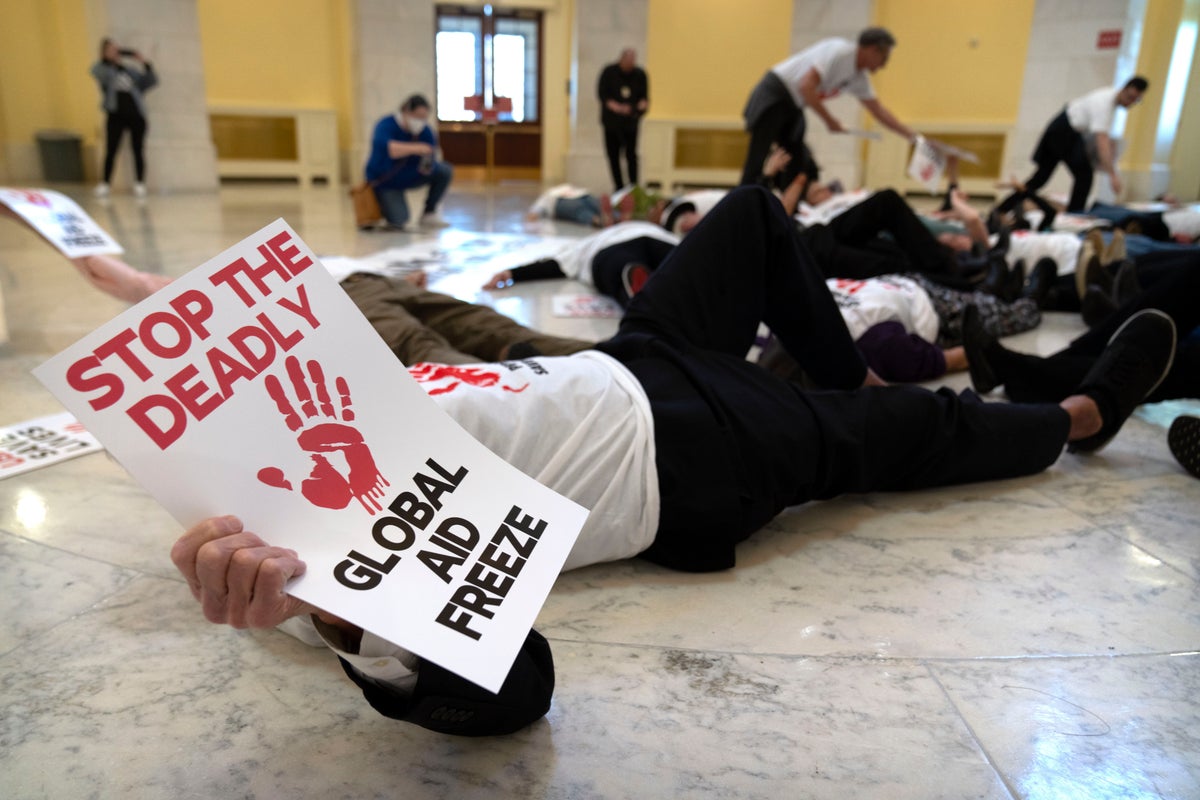
When Trump took office, he drastically reduced foreign aid spending, leading to the closure of many clinics and the disruption of access to life-saving medicines and tests. This abrupt change is believed to have cost thousands of lives. If the clawback or rescissions bill passes, the money will stay available for the HIV program, but it does not guarantee that previously canceled projects will be reinstated.
Dr. Kenneth Ngure, president-elect of the International AIDS Society, called the Senate's decision “very exciting news,” emphasizing that it would mean more resources for the HIV response. However, he noted that some policies implemented under Trump have limited the scope of the program, such as restricting pre-exposure prophylaxis (PrEP) to pregnant women instead of all high-risk groups.
Solianna Meaza, director of policy and advocacy at FHI 360, expressed concerns about the limitations placed on the program. While she acknowledged the positive aspect of protecting Pepfar, she emphasized the need for a stronger focus on prevention. She also highlighted that future funding for the program remains uncertain, as it could still face cuts.
Broader Implications for Global Health
The amended bill includes other significant cuts, with $500 million being reclaimed from other global health programs. These cuts are expected to impact maternal health, tuberculosis, and malaria initiatives, among others. Ms. Meaza pointed out that these programs often work together, so any reduction in one area can affect others.
She described the amended bill as a "double-edged sword." While the protection of Pepfar funding is a cause for celebration, she remains concerned about the overall remaining proposed cuts. Mitchell Warren, executive director of the Aids Vaccine Advocacy Coalition (AVAC), urged Congress to reject the full package of proposals subject to rescissions. He warned that passing the bill could set a dangerous precedent, allowing the administration to make further cuts without accountability.
The Path Forward
Despite the challenges, there is hope that the HIV response will continue to receive adequate funding. Dr. Ngure emphasized the importance of maintaining support for the program, as progress has been made toward ending HIV as a public health threat. He called for sustained investment to ensure continued success.
As the debate continues, the future of global health initiatives remains uncertain. The decisions made by Congress will have far-reaching implications for programs that support vulnerable populations around the world.

Post a Comment for "Pepfar Saves Millions from HIV – New Effort to Protect It from Trump's Cuts"
Post a Comment