Overweight Couples in India: ICMR Study Reveals Shocking Trend
Understanding the Rising Trend of Obesity in Married Couples
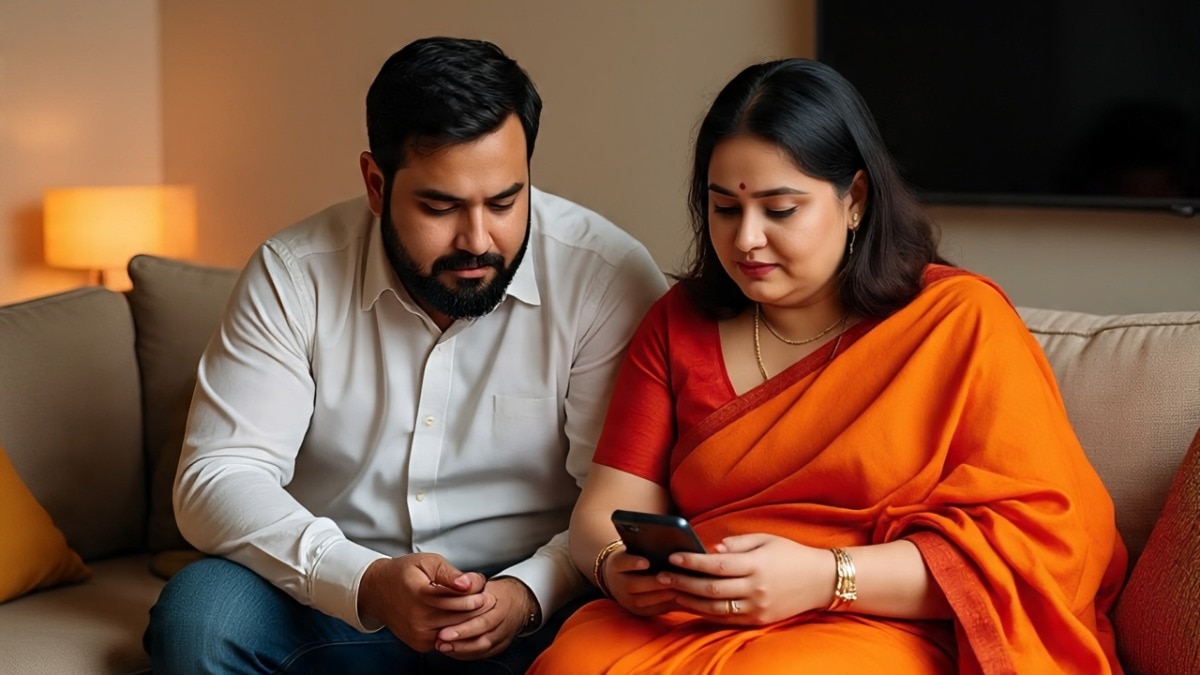
A recent study conducted by the Indian Council of Medical Research (ICMR) has highlighted a growing concern regarding obesity levels among married couples in India. The research, which analyzed data from over 52,737 married couples as part of the National Family Health Survey-5 (NFHS-5), reveals that more than one in four couples (27.4%) are both overweight or obese. This marks one of the most comprehensive investigations into spousal weight trends in the country.
The study, led by the ICMR-National Institute of Cancer Prevention and Research, focuses on what experts refer to as "spousal concordance" in obesity. This phenomenon occurs when both partners exhibit similar unhealthy weight statuses, often due to shared lifestyle choices and habits.
Shared Lifestyle Habits Contributing to Weight Gain
The findings, published in Current Developments in Nutrition, suggest that couples may be unknowingly reinforcing each other's unhealthy behaviors. From shared meals high in calories to late-night snacking and sedentary routines, lifestyle choices tend to align within a marriage.
According to the ICMR team, partners often mimic each other’s behaviors, whether it comes to diet, physical activity, or even media consumption. Younger, urban couples appear to be particularly affected by this trend. The study found that 27.4% of married couples in India are both overweight or obese, with this percentage increasing significantly among wealthier couples—nearly 47.6% of those in the richest income group were overweight or obese.
Urban areas also showed higher rates of weight gain, with 38.4% of city-based couples affected. Other factors contributing to this trend include living in nuclear families (28.9%), being of similar age (28.8%), and having the same level of education (31.4%). Additionally, couples who did not engage in paid work had a higher chance of being overweight together (33.9%).
Media and Eating Habits Play a Role
Media habits also appeared to influence the likelihood of shared obesity. Couples who regularly read newspapers (39.6%) or watched television (32.8%) had a higher risk of being overweight. Similarly, eating habits such as consuming non-vegetarian food like eggs (30.7%) and chicken (29.9%) weekly were associated with an increased likelihood of being overweight or obese.
Geographically, the highest rates of overweight couples were found in the southern (37.2%) and northern (33.5%) regions of the country. States such as Kerala, Jammu and Kashmir, Manipur, Delhi, Goa, Tamil Nadu, and Punjab reported more than 42% of couples being overweight or obese.
Cultural and Economic Influences on Obesity
Beyond lifestyle choices, cultural and economic factors also contribute to the rising obesity rates. Dr. Siri M Kamath, a Consultant in Internal Medicine at Gleneagles BGS Hospital in Bengaluru, noted that being overweight is still often associated with prosperity and good health, especially in older mindsets. “Being slim is sometimes wrongly viewed as a sign of weakness,” he said.
Economically, staples like rice and wheat are heavily subsidized through the public distribution system, while vegetables and protein-rich pulses remain less accessible. This makes carbohydrates more affordable and dominant in Indian meals, further contributing to weight gain.
The Broader Implications of Obesity
Obesity is a significant risk factor for several serious health conditions, including Type 2 diabetes, cardiovascular disease, hypertension, infertility, and certain cancers. These implications extend beyond appearance and affect India's long-term health and productivity.
The Need for Couple-Based Interventions
Given these findings, the ICMR researchers recommend a shift in how obesity is addressed in India. Rather than focusing solely on individuals, interventions should target couples and households, particularly those in urban, affluent, and media-exposed environments.
“Spousal concordance in overweight and obesity is strongly influenced by shared socioeconomic status, lifestyle behaviors, and dietary patterns,” the authors wrote. “Public health strategies should prioritize couple-based interventions, especially among high-risk subgroups.”
With over 27.4% of married couples now falling into the overweight or obese category, India must act quickly to prevent obesity from becoming a household epidemic. Addressing this issue requires a comprehensive approach that considers both individual and shared factors influencing weight gain.

Post a Comment for "Overweight Couples in India: ICMR Study Reveals Shocking Trend"
Post a Comment