Orchid Supplements Often Mislabeled, Risking Health
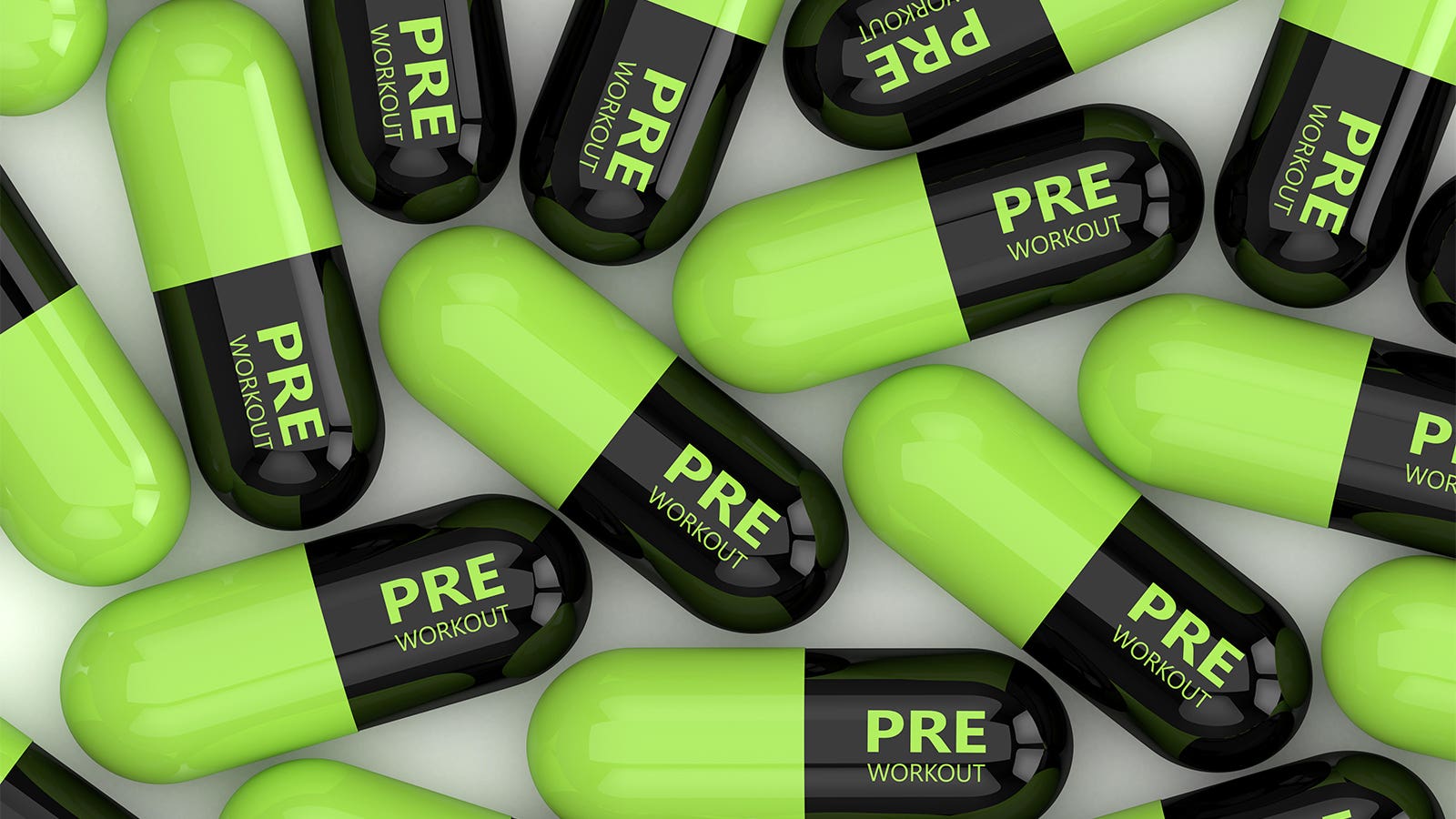
The Hidden Dangers of Sports Supplements
Consumers who purchase sports supplements that claim to offer the benefits of a specific type of orchid may be in for a surprise. Recent research has raised concerns about the accuracy and safety of these products, particularly those containing Eria jarensis. According to a study conducted by Pieter A. Cohen, MD, from Harvard Medical School, none of the 12 supplements purchased online were accurately labeled. This revelation highlights a growing issue within the supplement industry.
Unregulated Ingredients and Health Risks
Cohen and his team found that some supplements contained harmful ingredients, including high levels of caffeine and a banned stimulant known as 1,4-dimethylamylamine (1,4-DMAA). Two of the 12 products tested contained this illegal stimulant, which has never been approved for use in humans. Additionally, many of the products had large amounts of caffeine—up to 665 mg per serving, equivalent to more than six cups of coffee.
"Consumers could be exposed to unpredictable amounts of caffeine and botanical stimulants as well as hidden ingredients including an FDA-banned synthetic stimulant," Cohen explained. "Combining high quantities of caffeine with unapproved stimulants could strain the body by increasing blood pressure, heart rate, and heart contractions."
Misleading Labeling and Marketing Tactics
The label of most Eria jarensis supplements listed N,N-dimethylphenethylamine, a food flavoring generally considered safe. However, there is no scientific evidence supporting its use in improving athletic performance. Researchers suggest that manufacturers might have included this chemical as a marketing tactic to divert attention from the high doses of caffeine and other stimulants present in the products.
The study also found that four out of the 12 products did not contain N,N-dimethylphenethylamine at all. Among those that did, the dosage ranged from 0.1 mg to 41 mg per serving. Other ingredients such as phenethylamine, yohimbine, synephrine, and theobromine were often inaccurately labeled. In particular, the actual quantity of theobromine was found to be up to 4,320% higher than what was stated on the label.
Lack of Transparency and Regulatory Gaps
Many products contained significant amounts of ingredients without disclosing them on the label. Caffeine, for example, was found in quantities ranging from 106 mg to 665 mg per serving. Four of the 12 products included a stimulant that wasn't listed on the label, with two of them containing 1,4-DMAA.
Cohen pointed out that some pharmaceutical compounds are being sold as if they were natural botanical ingredients. "And that has been really alarming as a physician to see," he said.
Industry Challenges and Consumer Awareness
Joe Schwarcz, PhD, from McGill University, noted that the supplement industry is a multi-billion-dollar market. "Everyone wants to be smarter, faster, jump higher, be more athletic," he said. "So it's very seductive when they make claims that you can have all of that just by resorting to some supplement."
Supplements are regulated as food rather than medicine, making them easier to manufacture and market. This regulatory framework, established by the Dietary Supplement Health and Education Act (DSHEA) in 1994, has faced criticism for allowing the industry to operate with minimal oversight. Schwarcz argued that supplements should be treated as drugs since they interfere with biological processes.
Recommendations for Consumers
Cohen advises consumers interested in supplements to choose single-ingredient products over those with long lists of ingredients. He described such products as "chemical compounds mixed together with, like, a blender." Additionally, any supplement should prove its efficacy through rigorous clinical trials.
Study Limitations and Ongoing Concerns
The study analyzed 12 products using advanced laboratory techniques. However, the sample size was small, and only one sample of each brand was tested. The analysis was conducted in 2021, and it is possible that manufacturers have reformulated their products since then.
Despite these limitations, the findings underscore the need for better regulation and transparency in the supplement industry. Consumers should remain vigilant and informed about the products they purchase.

Post a Comment for "Orchid Supplements Often Mislabeled, Risking Health"
Post a Comment