One in Five US Foods and Drinks Have Synthetic Dyes, Study Reveals
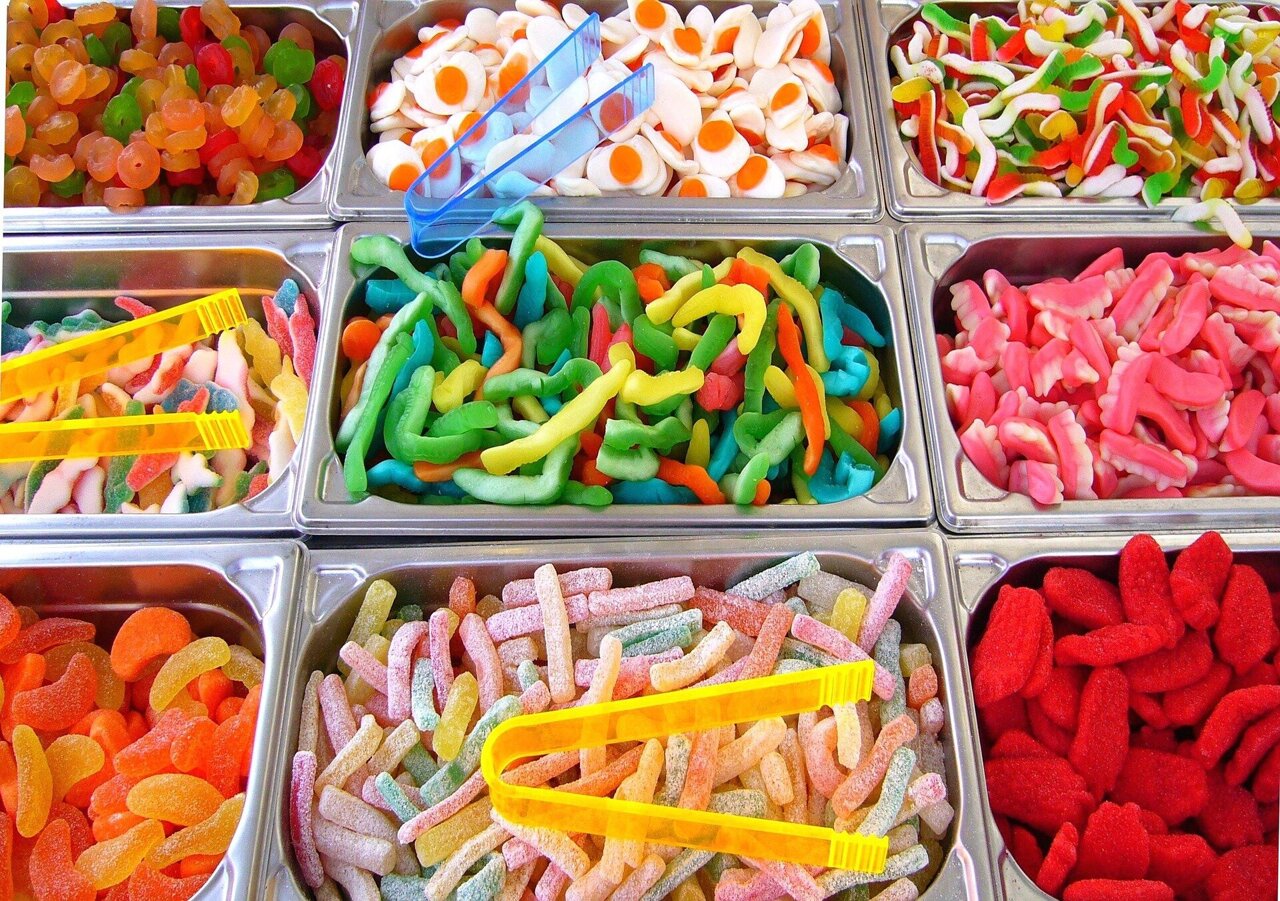
The Prevalence of Synthetic Food Dyes in US Packaged Foods
A significant portion of packaged foods and beverages in the United States contains synthetic food dyes, according to recent research analyzing over 39,763 products available in grocery stores. The findings were published in the Journal of the Academy of Nutrition and Dietetics, highlighting a growing concern about the presence of these artificial colorings in everyday food items.
Synthetic dyes are frequently used to enhance the visual appeal of food products, especially those marketed toward children. However, an increasing amount of scientific evidence suggests that these additives may contribute to or exacerbate behavioral issues such as hyperactivity and inattention. This has sparked renewed interest in understanding the extent of their use and the potential health implications.
Research Findings and Key Observations
Researchers from The George Institute for Global Health, the University of North Carolina, and the Center for Science in the Public Interest conducted a comprehensive analysis of ingredient data from the top 25 U.S. food manufacturers. They focused on the five food categories most commonly targeted at children: confectionery, sugar-sweetened beverages, ready meals, breakfast cereals, and baked goods like cakes, cookies, and pastries.
The results revealed that products in these categories were significantly more likely to contain synthetic dyes—28% compared to just 11% in other categories. Moreover, the average sugar content in products with synthetic dyes was 141% higher than in those without them (33.3g/100g versus 13.8g/100g). This indicates a strong correlation between the use of synthetic dyes and high sugar levels, which is concerning given the known health risks associated with excessive sugar consumption.
Dr. Elizabeth Dunford, a Research Fellow at The George Institute and Adjunct Assistant Professor at the University of North Carolina, expressed her concerns about the continued use of synthetic dyes in the food system. She emphasized that despite decades of research pointing to potential health harms, these additives remain prevalent, particularly in products designed to attract children.
"The high levels of sugar in these brightly colored products suggest that companies are using synthetic dyes to market sweet foods and beverages," she said. "Both ingredients are linked to poor health outcomes, making it essential for consumers to be aware of what they're purchasing."
Industry Practices and Regulatory Challenges
Confectionery companies were found to have the highest number of products containing synthetic dyes. For example, 60% of Ferrero's products and 52% of Mars' products included these additives. Additionally, 51% of PepsiCo's energy drinks contained synthetic dyes, along with 79% of all sports drinks, regardless of the brand.
Dr. Thomas Galligan, Principal Scientist for Food Additives and Supplements at the Center for Science in the Public Interest, noted that synthetic food dyes are entirely unnecessary in the U.S. food supply. He pointed out that while the FDA has asked the food industry to voluntarily phase out synthetic dyes, many companies have previously made promises to do so and failed to follow through.
"If the FDA were to require warning labels on synthetically dyed foods, similar to the rule in place in the European Union since 2010, there would be a much stronger incentive for industry to reformulate. These warnings would also help consumers make informed choices about the products they purchase."
Policy and Consumer Action
Dr. Dunford highlighted the positive developments in several U.S. states that have introduced bills targeting synthetic dyes this year. She believes that the findings of this research could be immediately useful for policymakers working to address the issue.
However, until regulatory measures align with scientific evidence, parents and health-conscious consumers are encouraged to check ingredient labels carefully. If a product contains synthetic dyes or high levels of added sugar, it may be best to avoid it, especially when choosing foods for children.
This ongoing debate underscores the importance of continued research, public awareness, and policy action to ensure that the food supply supports the health and well-being of all consumers.

Post a Comment for "One in Five US Foods and Drinks Have Synthetic Dyes, Study Reveals"
Post a Comment