Officials face backlash after enacting strict vehicle ban: 'This is between life and livelihood'
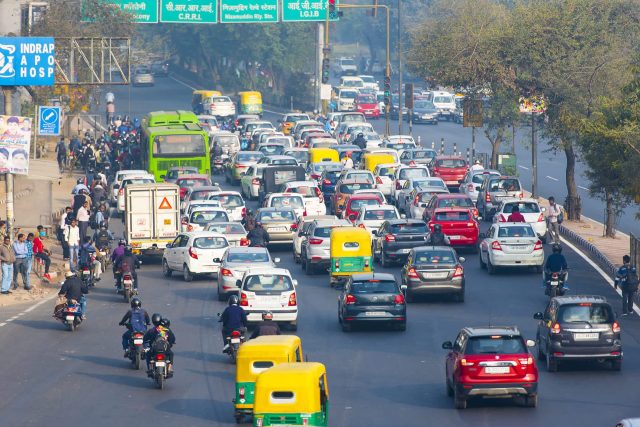
Delhi's Ambitious Vehicle Ban and the Backlash That Followed
Delhi, one of the most polluted cities in the world, has long struggled with severe air quality issues. Every winter, a thick layer of smog blankets the city, making it difficult for residents to breathe. The problem is exacerbated by vehicle emissions, factory smoke, and agricultural burning in nearby regions. In an attempt to tackle this crisis, local authorities proposed a bold measure: banning fuel sales for older vehicles.
The plan targeted petrol cars that were over 15 years old and diesel vehicles that were more than 10 years old. Officials hoped that this would reduce the number of polluting vehicles on the road, thereby improving air quality. A traffic officer reportedly told news outlets that they had been instructed to involve scrap car dealers if such vehicles were found on the streets.
However, the initiative quickly faced significant public resistance. Many citizens, especially those with lower incomes, found themselves in a difficult position. They had purchased their vehicles years ago and now faced the possibility of being unable to drive them without a replacement. Critics argued that the policy lacked proper planning and support systems, leaving many families without viable alternatives.
As a result, the ban was soon reversed. According to reports, the government cited logistical challenges as a reason for the rollback. It was announced that the policy might be reintroduced after November, once the necessary infrastructure and procedures are in place.
This reversal highlights the complexities of enforcing environmental policies. While the goal of reducing pollution is clear, implementing such measures requires careful consideration of the impact on everyday citizens. Environmental advocates have pointed out that initiatives like partial restrictions on fossil fuel use or water trucks spraying mist to clear pollutants have not made a significant difference in the city’s air quality.
The situation also raises important questions about equity. For many low-income individuals, owning an older vehicle may be the only practical option. Without a clear plan to help them transition to cleaner alternatives, these policies can feel unfair and unmanageable.
Experts warn that the issue of air pollution is not just an environmental concern but a matter of public health and social justice. According to studies, air pollution in India caused over 1.6 million premature deaths in 2019 alone. The health risks associated with high levels of PM2.5 — tiny particles that can enter the bloodstream through the lungs — are well-documented and alarming.
Despite the setback, efforts to improve air quality continue. Starting in November, the ban was set to expand to satellite cities around Delhi, affecting over 32 million people. However, with the current rollback, the prospects for stricter pollution control have dimmed.
In other parts of the world, progress is being made. Scientists are developing cleaner methods to produce hydrogen fuel, while California is pushing automakers toward zero-emission vehicles. Airlines are also exploring the use of corn-based biofuels as a more sustainable alternative.
Delhi’s air quality will not improve on its own. Cooler temperatures and slow-moving winds trap pollutants, worsening the problem each winter. For residents, clean air should not be a privilege but a basic right. At the same time, they also deserve the right to use vehicles they have purchased, provided they are still operational, unless a replacement is offered.
As the debate continues, it is clear that finding a balance between environmental protection and economic feasibility remains a major challenge. Effective policies must consider both the health of the population and the practical realities of daily life.

Post a Comment for "Officials face backlash after enacting strict vehicle ban: 'This is between life and livelihood'"
Post a Comment