Not Kegels — This Deep Core Workout Builds Stronger Abs and Pelvic Floor
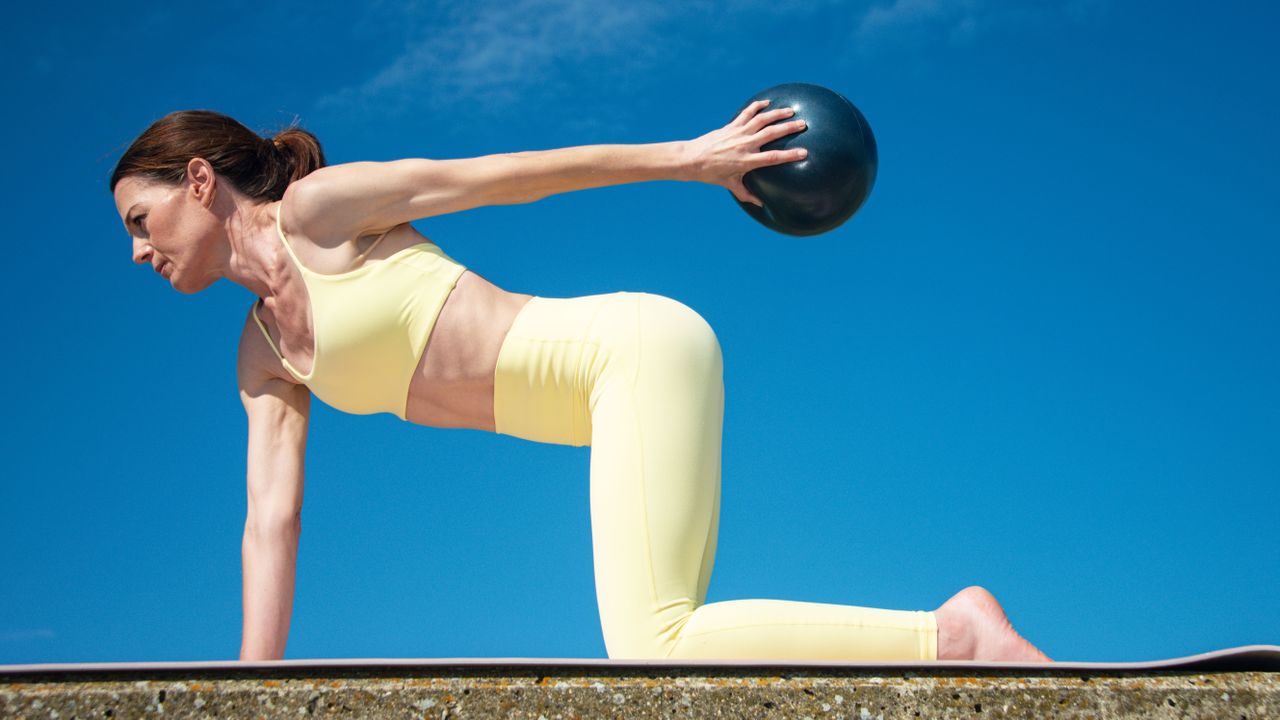
Understanding the Impact of Pregnancy on Core and Pelvic Floor Muscles
Pregnancy and childbirth can significantly affect the core and pelvic floor muscles. These muscles stretch to accommodate the growing baby, and if not properly addressed after delivery, they can lead to long-term weakness, dysfunction, pain, and injury. As someone who is 12 weeks postpartum, I am just beginning to rebuild strength in these areas. It’s essential to recognize the importance of targeted exercises to restore functionality and prevent future complications.
Discovering a Postpartum Fitness Routine
To address my needs, I explored various fitness resources online and came across a workout routine created by trainer Nikki Bergen. This routine focuses on deep core and pelvic floor strengthening, which are crucial for postpartum recovery. While designed for those who have recently given birth, these exercises can benefit anyone with access to a yoga mat and Pilates ball.
How to Approach Nikki Bergen’s Workout
Before starting any new exercise program, especially postpartum, it’s important to consult with a medical professional. A certified personal trainer can also help ensure proper form and technique. The routine consists of seven exercises performed on a mat with a Pilates ball. Although Bergen does not specify the number of reps or rest intervals, I opted for 10 reps per exercise with brief pauses between sets.
The exercises include:
- Bear rock backs
- Side plank clam twist
- Star plank reach
- Ball t-spine extension
- Balanced kick back tucks
- Single-bridge cross press
- Inverted open book
Challenges Faced During the Workout
Despite being in the fitness industry, I found the exercises more challenging than expected. The movements required a level of core engagement that I wasn’t used to, leading to muscle fatigue and the need for frequent breaks. Some exercises were too advanced for my current condition, and modifications were necessary. However, Bergen didn’t provide alternative options, so it’s important to be aware of this when trying the routine.
The Role of the Pilates Ball
One of the most difficult aspects of the workout was the inclusion of the Pilates ball. Exercises like the balance kick back tucks and inverted open book became significantly harder due to the instability provided by the ball. This added challenge forced my core stabilizing muscles to work harder, which was both beneficial and exhausting. I eventually removed the ball to reduce the difficulty and focus more on engaging the correct muscle groups.
Compensation from Other Muscle Groups
During the workout, I noticed that my hips and legs were compensating for my weak core. My quads and hip flexors were working excessively, which led to fatigue and an inability to engage my core effectively. To address this, I adjusted my range of motion, took longer rests, and focused on diaphragmatic breathing. These adjustments helped me activate my core muscles more efficiently.
Revisiting the Routine in the Future
While I had high expectations for this workout, I realized I wasn’t ready for it yet. I plan to continue building foundational strength through pelvic floor therapy and simpler exercises before revisiting this routine. This experience has given me a clear goal to work towards, and I’m confident that with time and consistency, I’ll be able to tackle more advanced workouts.
Benefits of Deep Core and Pelvic Floor Workouts
Strengthening the deep core and pelvic floor muscles is essential for overall stability and function. These muscles support the spine and hips, facilitate bodily functions, and keep internal organs in place. Traditional exercises like crunches and sit-ups often fail to target these muscles effectively. The exercises in this routine actively engage the core and pelvic floor, making them safe and effective for individuals with postpartum conditions such as prolapse or diastasis recti.
By focusing on proper form, gradual progression, and mindful breathing, anyone can benefit from these targeted workouts. Whether you're recovering from childbirth or looking to improve your overall fitness, incorporating these exercises into your routine can lead to significant improvements in strength and well-being.

Post a Comment for "Not Kegels — This Deep Core Workout Builds Stronger Abs and Pelvic Floor"
Post a Comment