New Tool Helps Detect NF1 Cognitive Signs Sooner
Understanding Neurofibromatosis Type 1 (NF1)
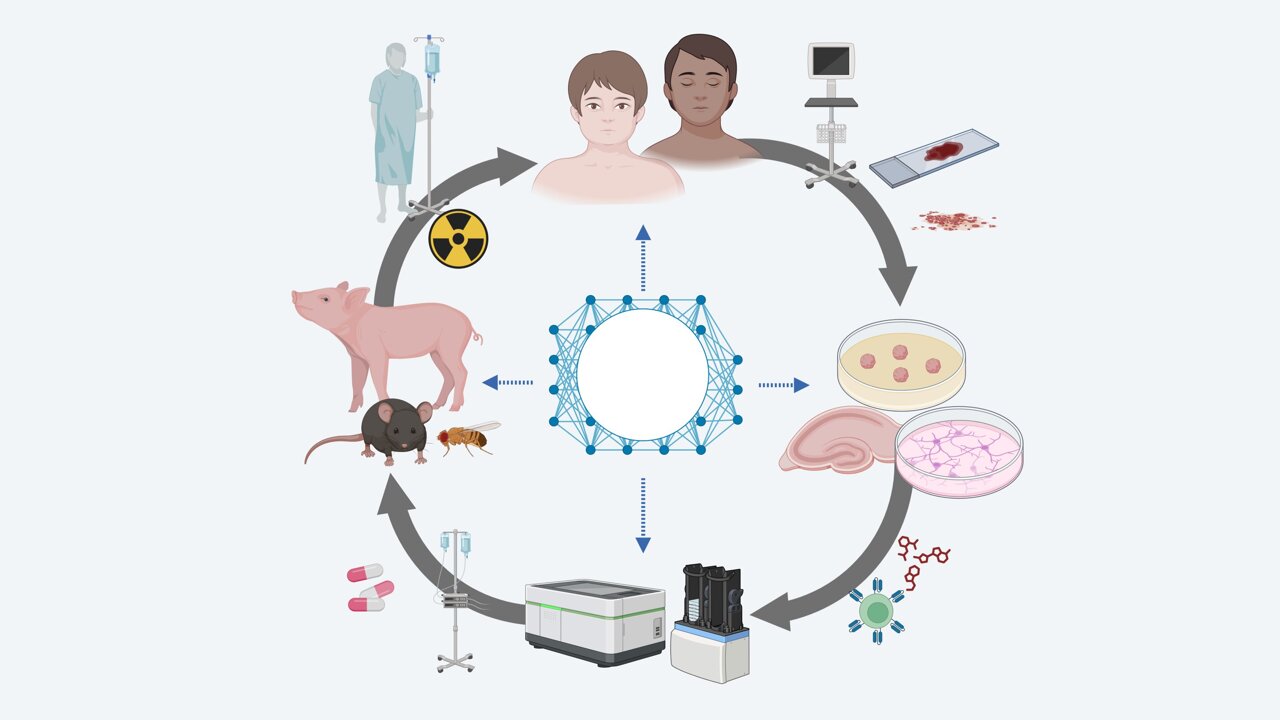
Neurofibromatosis type 1 (NF1) is a rare genetic condition that affects approximately 100,000 individuals in the United States. This disorder often presents in children with motor delays and learning disabilities, and many are also diagnosed with autism or brain tumors. While significant progress has been made in understanding the biology of NF1 in animal models, translating these findings into clinical outcomes that improve children's quality of life remains a challenge. Overcoming this challenge requires collaboration among fundamental biologists, neuroscientists, clinicians, educators, and patients' families, all working toward a common goal.
The Role of Penny's Flight Foundation
The Penny's Flight Foundation recently partnered with Cold Spring Harbor Laboratory (CSHL) Professor Linda Van Aelst, a neuroscientist studying NF1 and related incidences of glioblastoma. Van Aelst and Penny's Flight recognized the need to bring more top minds together to deliberate over NF1. As a result, they engaged CSHL's Banbury Center think tank, which had hosted five meetings on NF1 but had not held one in 20 years. With recent scientific and technological advances, it was time to revisit the condition and explore new avenues for research and treatment.
The CABIN Task Force
At the 2024 Banbury meeting, Van Aelst and colleagues formed a multidisciplinary group called the CABIN task force. CABIN—short for cognition and behavior in NF1—has a clear, united goal: to develop a framework for future NF1 research that may yield new scientific insight along with systemic changes in patient care. This initiative aims to create a comprehensive approach that addresses both the biological and environmental factors influencing NF1.
Addressing Working Memory Challenges
One of the key symptoms of NF1 is its impact on working memory. Testing working memory in research models of NF1 is essential to understanding how these symptoms manifest. However, it is equally important to consider the environments in which children with NF1 actually live and learn. Laurie Cutting, a professor of neuroscience at Vanderbilt University who attended the meeting, highlighted the challenge of determining when enough science is available to communicate recommendations to families, teachers, and society in a way that indicates the need for change.
Introducing the NF1 Neurodevelopmental Inventory
To address this challenge, CABIN proposed the NF1 neurodevelopmental inventory (NF1-NDI), a catalog of cognitive profiles unique to individuals with this disorder. This tool would enable clinicians and educators to identify signs of NF1 sooner, leading to faster diagnoses and more personalized care. The proposal has now been published in an article for the CSHL Press journal Genes & Development.
Implications for Rare Diseases and Beyond
As is the case with many other rare diseases, research on NF1 begins with basic biology. Scientists study how cells develop and how brain circuits adapt. While NF1 is rare, exploring its effects on cognition and behavior may have broader implications. Understanding this disorder from the inside out not only points the way to better diagnostic and therapeutic strategies for children with NF1 but could also yield insights applicable to countless other genetic diseases and neurodevelopmental disorders.
Future Directions
The work of the CABIN task force represents a critical step forward in addressing the complex challenges posed by NF1. By bringing together diverse expertise and focusing on both scientific and practical aspects of the disorder, the task force is paving the way for more effective interventions and improved quality of life for affected individuals. Continued collaboration and innovation will be essential in turning these insights into real-world solutions.

Post a Comment for "New Tool Helps Detect NF1 Cognitive Signs Sooner"
Post a Comment