New therapies reduce need for surgery in ulcerative colitis, study finds
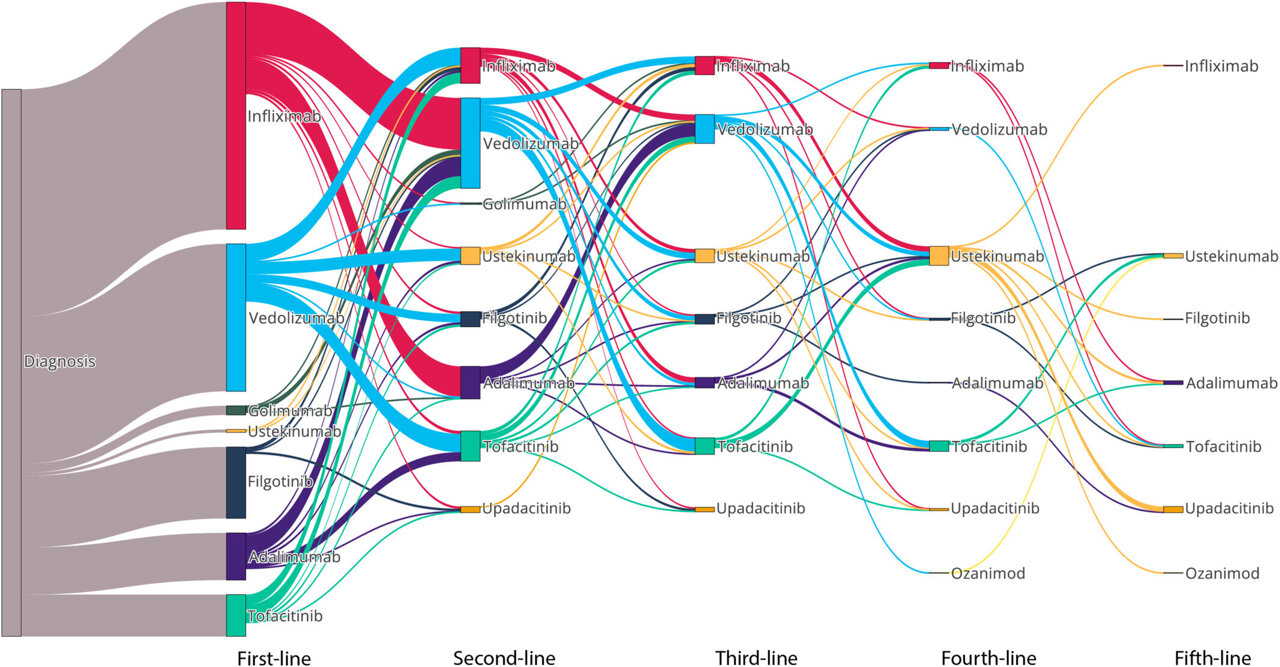
The Impact of Advanced Therapies on Ulcerative Colitis Treatment
A long-term study spanning 20 years has revealed a significant link between the increased availability of innovative treatments and a decline in the number of patients requiring surgery for ulcerative colitis. This condition, which affects the colon and rectum, can lead to severe inflammation and often necessitates major procedures such as colectomies if traditional medications fail.
Over the period from 2004 to 2023, the use of advanced therapies—medications that specifically target parts of the immune system—has surged. These treatments have not only improved the management of ulcerative colitis but also reduced the need for surgical interventions. Experts suggest that this shift has allowed for more personalized care, offering patients long-term relief and better quality of life.
In the UK alone, over 300,000 individuals live with ulcerative colitis, a chronic illness that can significantly impact daily life. When standard drugs are ineffective, patients may undergo a colectomy, a procedure that removes the large intestine and often results in the need for a stoma bag. This life-altering surgery is increasingly being avoided due to the advancements in treatment options.
Recent breakthroughs in novel therapies have led to a broader range of medicines available for treating ulcerative colitis. These advanced therapies focus on controlling inflammation by targeting the immune system, thus helping to manage the progression of the disease. As a result, fewer patients are turning to surgery for relief.
Researchers from the University of Edinburgh analyzed prescribing trends and colectomy rates across two decades using data from the Lothian IBD Registry. This database includes nearly all ulcerative colitis patients treated by the NHS Lothian Health board. The findings show that the number of patients with the condition in the Lothian region more than doubled between 2004 and 2023, increasing from two in 1,000 people to four in 1,000 people. In 2023, there were 4,115 recorded cases of ulcerative colitis in the region.
During the study period, 720 patients were prescribed advanced therapies, rising from zero in 2004 to 115 in 2023. Meanwhile, the number of patients undergoing colectomies dropped significantly, from 42 in 2004 to just seven in 2023. Statistical analysis indicated that 2013 was a pivotal year, when the use of advanced therapies increased and colectomy rates began to decline.
The study also highlighted trends in the use of different advanced therapies. Since 2021, filgotinib has become the most commonly used first-line therapy, as it can be taken orally. Some other advanced therapies require infusions or injections, which can increase costs. The availability of an oral medication like filgotinib could help reduce healthcare expenses and resource use in an already strained system.
While the study found a strong correlation between the adoption of advanced therapies and the decrease in colectomy rates, researchers caution that this does not necessarily prove causation. The study focused on the Lothian region in Scotland, where access to advanced therapies is readily available. Researchers emphasize the need for larger studies that include regions with limited access to these treatments to fully understand their impact on surgical outcomes.
The research, published in the journal Alimentary Pharmacology & Therapeutics, involved scientists from the University of Edinburgh and NHS Lothian. Professor Charlie Lees, the study’s lead from the University of Edinburgh's Institute of Genetics and Cancer, noted that real-world data from Edinburgh showed a dramatic drop in the need for colectomy after the widespread use of targeted biologic and small-molecule drugs. He emphasized the importance of ensuring timely access to these therapies for all patients with ulcerative colitis.
Dr. Tracey Gillies, Medical Director of NHS Lothian, highlighted the organization’s commitment to providing high-quality care for inflammatory bowel disease patients. Over the years, they have invested in staff and services to make advanced therapies and clinical trials more accessible. Their role in academic studies like this one helps them stay at the forefront of medical innovation and serve as a model for others.
This study underscores the transformative potential of advanced therapies in managing ulcerative colitis and reducing the burden of surgery. As research continues, the hope is that more patients will benefit from these groundbreaking treatments, leading to improved health outcomes and a better quality of life.

Post a Comment for "New therapies reduce need for surgery in ulcerative colitis, study finds"
Post a Comment