New Law Boosts Psychedelic Research at UT Austin
A New Hope for Veterans and Patients in Texas
Texas is making headlines as the first state in the United States to allocate public funds for research on ibogaine, a plant-based psychedelic drug that has shown significant potential in treating a range of mental health and neurological conditions. This move has sparked hope among veterans and medical researchers alike, especially those looking for more effective treatments for post-traumatic stress disorder (PTSD), addiction, and traumatic brain injuries.
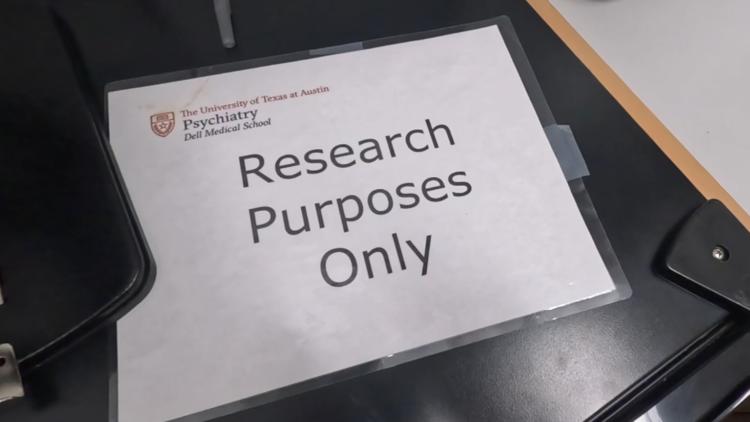
The University of Texas has taken a leading role in this initiative by establishing the Center for Psychedelic Research and Therapy, which is the first of its kind in the state. The center’s mission is to explore the therapeutic benefits of psychedelics like ibogaine and to work toward gaining approval from the U.S. Food and Drug Administration (FDA). This step marks a major shift in how these substances are perceived and studied, opening new doors for potential medical breakthroughs.
Despite the promising research, it's important to note that psychedelics remain illegal at the federal level in the United States. Ibogaine, in particular, is classified as a Schedule I controlled substance, which means it is considered to have a high potential for abuse and no accepted medical use. This classification places it in the same category as drugs like heroin, creating significant legal and regulatory hurdles for researchers and patients.
During an April hearing at the Texas State Capitol, the head of the UT psychedelic center addressed state lawmakers and emphasized the limitations of current treatment options for PTSD and traumatic brain injuries. He described existing therapies as “woefully inadequate,” highlighting the urgent need for alternative approaches. The research being conducted at the center aims to address these gaps by examining how different individuals respond to ibogaine and other psychedelics.
One of the primary goals of the research is to determine who might benefit most from these treatments and how to optimize their effectiveness. This involves studying various factors, including dosage, administration methods, and individual patient responses. By understanding these variables, researchers hope to develop more personalized and effective treatment plans for those suffering from complex mental health conditions.
The decision to fund this research comes at a critical time, as the number of veterans and civilians affected by PTSD continues to rise. Traditional treatments, such as medication and therapy, often fall short in providing long-term relief, leaving many individuals without viable options. The exploration of ibogaine and other psychedelics offers a new avenue for healing that could change the landscape of mental health care.
As the research progresses, it will be essential to maintain a balanced perspective. While the potential benefits are significant, there are also risks and challenges associated with the use of psychedelics. Safety, ethical considerations, and long-term effects must all be carefully evaluated before any widespread implementation can occur.
In addition to the scientific and medical implications, the funding of this research also reflects a broader societal shift in attitudes toward psychedelics. What was once viewed primarily as a recreational or illicit substance is now being recognized for its potential therapeutic value. This change in perception is driving increased investment and support for research initiatives across the country.
For veterans and others struggling with the aftermath of trauma, the progress being made in Texas represents a glimmer of hope. It signals a willingness to explore unconventional solutions and to prioritize the well-being of those who have served and suffered. As the research unfolds, it will be crucial to monitor developments closely and to ensure that any findings are used to improve lives and advance the field of mental health care.

Post a Comment for "New Law Boosts Psychedelic Research at UT Austin"
Post a Comment