New breakthrough turns plastic waste into everyday painkiller
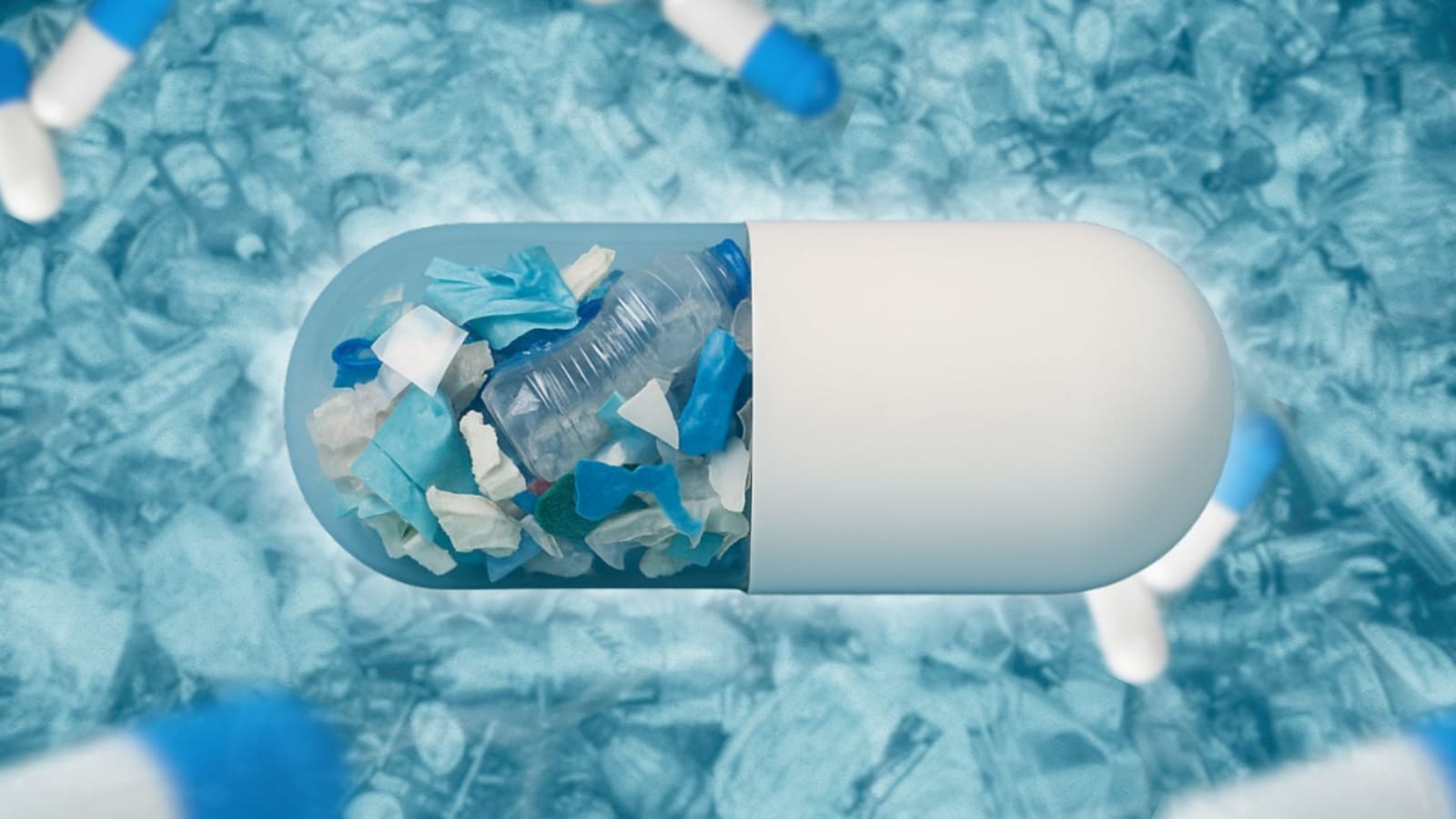
A New Way to Transform Plastic Waste into Medicine
Each year, over 350 million tons of plastic are produced globally, with a significant portion ending up in landfills or the ocean. Among the most common types of plastic is polyethylene terephthalate (PET), used in everything from soda bottles to food packaging. Unfortunately, most PET isn’t recycled and continues to pollute the environment for years after its use. However, a groundbreaking development from the University of Edinburgh offers a promising solution by turning this waste into medicine.
Key Breakthroughs in the Research
A team of researchers led by Professor Stephen Wallace has discovered that genetically modified E. coli can convert PET plastic into paracetamol—a widely used painkiller—using biocompatible chemistry. This innovative method achieves over 90% conversion efficiency and emits almost no greenhouse gases. The breakthrough not only provides a new way to repurpose plastic waste but also offers a greener alternative for drug production that traditionally relies on fossil fuels.
Currently, most paracetamol is derived from benzene, a petrochemical obtained from crude oil. The industrial processes involved in refining benzene generate significant greenhouse gas emissions. Wallace emphasized that paracetamol serves as an excellent example of how modern medicine still depends on unsustainable resources.
Engineering Bacteria to Brew Medicine
The process begins with degrading PET plastic into terephthalic acid, which is then added to a culture of modified Escherichia coli bacteria. Inside the bacterial cells, a chemical shift known as the Lossen rearrangement transforms terephthalic acid into para-aminobenzoic acid (PABA), a key intermediate in making paracetamol. Previously, this reaction had only been observed in test tubes, but Wallace’s team demonstrated that it can occur within living cells, aided by naturally occurring phosphate ions.
To complete the transformation, the team engineered E. coli with genes from soil bacteria and mushrooms, enabling the cells to turn PABA into paracetamol through enzyme-driven steps. This approach allowed the bacteria to produce paracetamol quickly—converting over 92% of PET input in under 24 hours. Unlike traditional manufacturing, this microbial method operates at room temperature and produces virtually zero emissions.
A Sustainable Leap Forward
The research team compares their process to brewing beer, where yeast turns sugars into alcohol. Similarly, their engineered bacteria ferment plastic molecules into painkillers. The fermentation setup doesn’t require high heat or energy, making it far more sustainable than traditional paracetamol production.
Pharmaceutical companies have taken notice. AstraZeneca helped fund the study and is collaborating with Wallace’s team to explore scaling the process for commercial use. While the new method isn’t ready for mass production yet, it could help reduce fossil fuel use and carbon emissions.
Currently, thousands of tons of fossil fuels are used annually to power drug manufacturing plants, which emit greenhouse gases and depend on a shrinking supply of raw materials. Wallace’s approach shows how plastic waste—a major environmental hazard—can become a valuable feedstock instead.
The Science Behind the Breakthrough
Central to this innovation is the concept of biocompatible chemistry—chemical reactions that can occur inside living cells without harming them. Traditionally, most industrial reactions are toxic to cells and require harsh conditions. However, Wallace’s team showed that even a reaction discovered in 1872—the Lossen rearrangement—could be adapted for microbial metabolism.
The Lossen rearrangement converts hydroxamic acid derivatives into primary amines, a critical step in many chemical syntheses. This reaction involves a one-carbon contraction, unlike common enzymatic methods. It’s generally done in basic conditions using heat or metal catalysts, none of which are cell-friendly. By uncovering that phosphate ions inside bacteria can catalyze this reaction, the team bridged the gap between synthetic chemistry and metabolic biology.
To build their microbial factory, the scientists inserted new genes into the E. coli, allowing it to perform additional steps that human chemists would usually handle in labs. The result was a strain of bacteria capable of turning PET-derived molecules into therapeutic compounds without relying on synthetic solvents or fossil feedstocks.
Future Impact and Industrial Potential
While Wallace acknowledges this method won’t solve the global plastic crisis, it represents a practical and innovative way to tackle multiple problems at once. With more development, such microbial systems could be used to produce not only painkillers but also antibiotics, cosmetics, and industrial chemicals—all from recycled materials.
Other scientists have also shown that engineered microbes can produce rare or synthetic compounds by importing artificial cofactors, building new enzyme systems, or even conducting organocatalytic reactions inside cells. These efforts reflect a growing push to replace traditional fossil-based chemistry with living systems that are cleaner, safer, and more sustainable.
Ian Hatch, Head of Consultancy at Edinburgh Innovations, highlighted the project’s potential. “Engineering biology offers immense potential to disrupt our reliance on fossil fuels, build a circular economy, and create sustainable chemicals and materials,” he said.
As the Wallace Lab and partners like AstraZeneca move forward, they’re not only redefining what plastic can become, but also reshaping how vital medicines are made—one molecule, one bacterium, and one discarded plastic bottle at a time.

Post a Comment for "New breakthrough turns plastic waste into everyday painkiller"
Post a Comment