New Blood Test Could Aid GPs in Early Cancer Detection
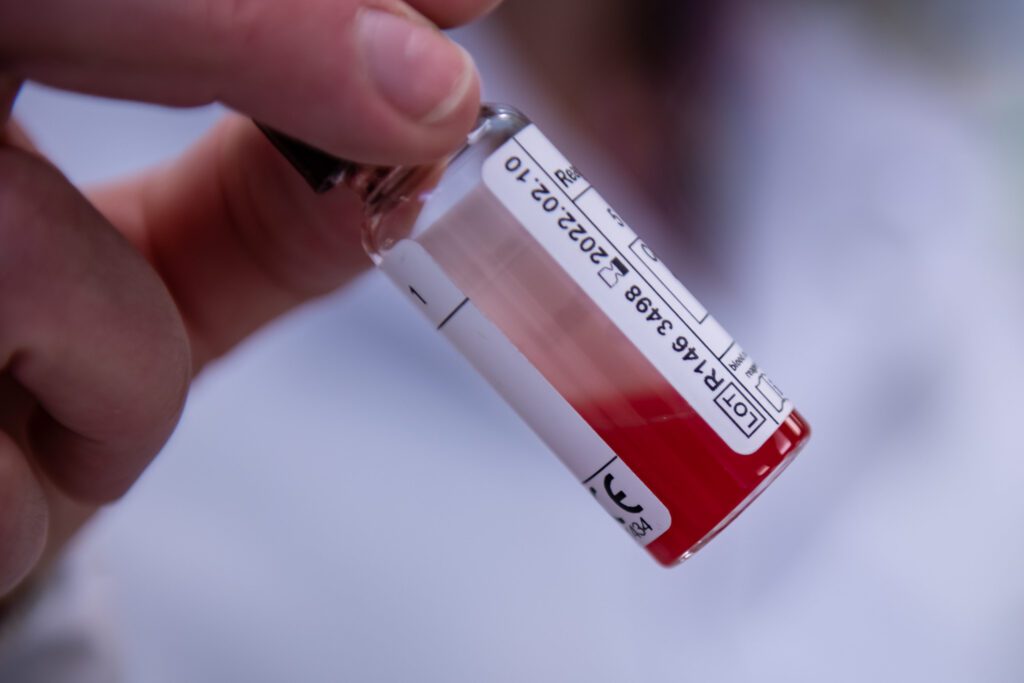
A New Approach to Blood Tests Could Revolutionize Early Cancer Detection
A groundbreaking method of analyzing standard blood tests is being explored by scientists, with the potential to help general practitioners (GPs) identify early signs of cancer more effectively. This innovative approach could lead to the identification of 10,000 patients annually who have elevated platelet counts before their cancer diagnosis, ultimately improving patient outcomes through earlier detection.
The Royal Devon University Healthcare NHS Foundation Trust (RDUH) is the first organization to implement a new algorithm developed by researchers at the University of Exeter. This algorithm enhances the interpretation of routine blood test results, allowing for a more personalized assessment of platelet levels. Platelets are tiny blood cells that play a crucial role in forming clots to stop bleeding, and an increased count can sometimes be an indicator of certain cancers, including lung and bowel cancers.
Currently, doctors typically rely on standard platelet counts without considering factors such as age or gender, which can influence platelet levels. The new algorithm aims to address this gap by providing a more accurate and tailored analysis. This will enable GPs to better understand when a high platelet count might signal the presence of cancer and what steps should be taken next.
Professor Sarah Bailey, an Associate Professor of Primary Care Diagnostics at the University of Exeter, emphasized the life-saving potential of this research. She stated, “General practitioners know that a raised platelet count can be an early sign of cancer. This study will give them more information about when this should be taken as a warning sign, and how to act on it.”
The implementation of this new system involves processing blood tests through hospital-based laboratories. In Devon, the RDUH team handles approximately 500,000 blood tests each year that include a platelet reading. The initial phase of the project will focus on five medical practices or centers in the county, where the algorithm will be tested.
Experts estimate that this pilot program could identify around 500 patients with elevated platelet counts annually, with approximately 20 of those individuals potentially having cancer detected earlier. When a patient’s blood test indicates a high platelet count, the GP will receive a notification along with clear guidance on the next steps to assess whether further investigation is necessary.
Professor Tim McDonald, Clinical Director for Pathology at the Blood Sciences Laboratories at RDUH, highlighted the benefits of this approach. He noted, “This research really is a win-win for improving cancer diagnosis. It’s actually very simple for us to add to the routine tests we’re already conducting, and we hope it will mean that GPs can catch cancer in some patients earlier, which we know leads to the best outcomes.”
The pilot program is expected to run for two years, with a staged expansion planned for specific regions. If successfully implemented across the NHS, this system could flag 10,000 patients annually who have elevated platelet counts before their cancer diagnosis. Early recognition of these warning signs could significantly improve the chances of successful treatment and recovery.
The research paper, titled “Improving the Clinical Utility of Platelet Count for Cancer Detection in Primary Care: A Cohort Study in England, Canada, and Australia,” was published in the journal Cancers. This study represents a significant step forward in the field of cancer diagnostics, offering a practical and effective way to enhance the accuracy of blood test interpretations.

Post a Comment for "New Blood Test Could Aid GPs in Early Cancer Detection"
Post a Comment