Mysterious Post-Surgery Migraines Finally Unveiled
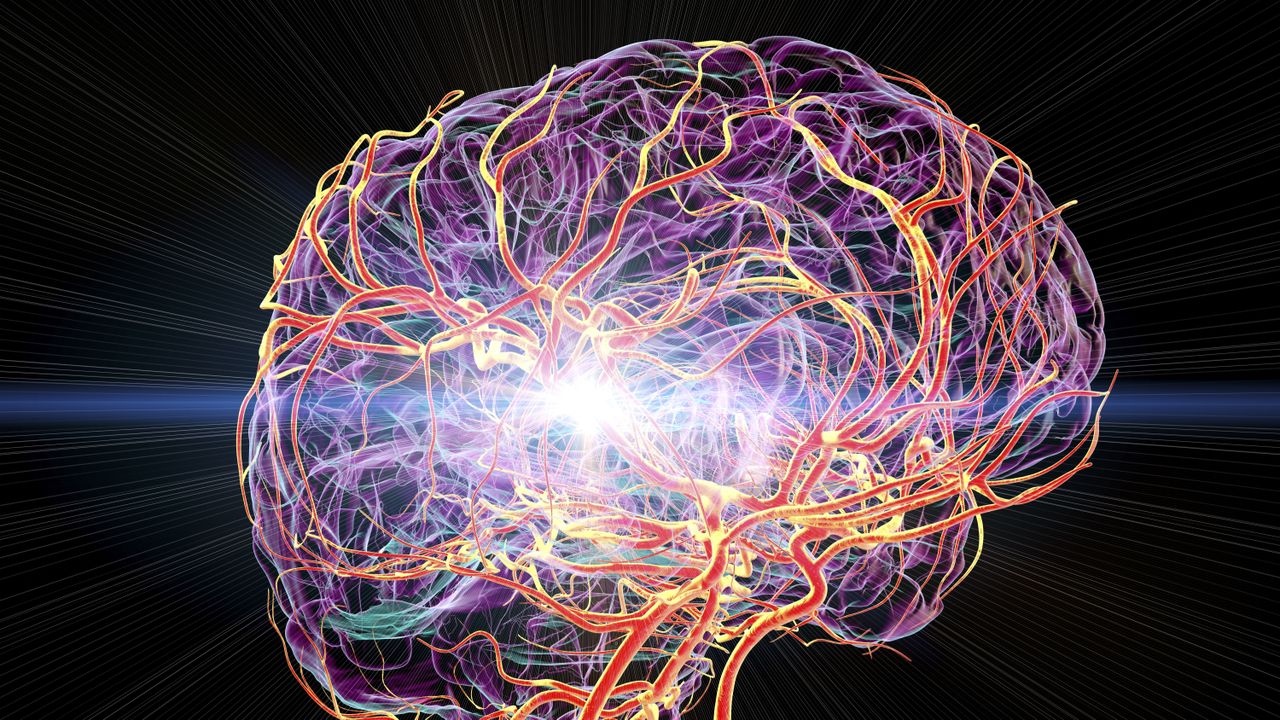
Understanding the Link Between Heart Surgery and Migraines with Visual Auras
After undergoing heart surgery, some patients experience migraines that are accompanied by visual auras—temporary vision disturbances such as flashing lights or zigzag lines. These symptoms have long puzzled medical professionals, but recent research suggests that blood clots in the brain may be responsible for this unusual complication.
Dr. Gregory Marcus, a cardiologist at the University of California, San Francisco and a co-author of the study, explained that these blood clots were previously thought to cause no symptoms or adverse effects. However, new findings challenge that assumption.
New Insights from Recent Research
A study published on July 7 in the journal Heart Rhythm offers a new theory about why these migraines occur after heart surgery. The research focused on catheter ablation, a procedure used to treat irregular heartbeats. During this surgery, doctors insert a tube into the heart to burn or scar tissue that is causing the arrhythmia. Approximately 360,000 people in the U.S. undergo this procedure each year.
There are different techniques for catheter ablation, including the transseptal puncture, which creates an opening between two heart chambers, and the retrograde approach, which does not require this opening. Despite the differences in technique, about 2.3% of patients who had no history of migraines with visual auras reported experiencing them for the first time after the surgery.
These migraines are concerning because they are linked to a higher risk of ischemic stroke, especially in younger individuals and women. The risk increases significantly for those who experience migraines with visual auras.
Possible Causes of Visual Auras
Scientists have proposed several theories about how catheter ablation might lead to migraines. One theory suggests that the hole created during a transseptal puncture could reroute blood flow, allowing neurotoxins to reach the brain. Normally, blood flows from the right side of the heart to the lungs, then to the left side before reaching the rest of the body. If the path is altered, these toxins might bypass the lungs and affect the brain.
However, MRI scans have revealed another possibility: brain lesions caused by emboli. These emboli can consist of blood clots, air bubbles, or fatty deposits that travel through the bloodstream and block vessels in the brain.
Migraines with visual auras also occur in people without a history of heart surgery, but the underlying mechanism remains unclear. Dr. Marcus noted that previous studies have found a correlation between migraines and brain emboli, though the causal relationship has been difficult to establish.
Study Findings and Implications
To explore this connection further, researchers conducted a trial involving 63 patients who underwent transseptal puncture and 57 who had the retrograde approach. The participants underwent brain MRIs the following day and completed questionnaires one month later to report any visual auras.
Both surgical techniques were equally likely to result in visual auras, suggesting that the presence of a heart chamber opening was not necessary for the condition to occur. However, the study found that patients with brain emboli after surgery had a 12 times higher chance of developing visual auras than those without emboli.
Limitations and Future Directions
While the findings are promising, the study has some limitations. Dr. Andrew Lee, an ophthalmologist not involved in the research, pointed out that the migraine symptoms were self-reported, which could lead to misclassification. He also noted that the study did not examine whether patients had a naturally occurring heart defect called a patent foramen ovale, which is associated with migraines, visual auras, and strokes.
Future research is needed to determine if the results of this study apply more broadly to migraines in general. Additionally, scientists should investigate whether brain emboli are linked to more serious conditions like stroke.
Conclusion
The link between heart surgery and migraines with visual auras is still being explored. While the exact mechanisms remain unclear, the role of brain emboli appears to be a significant factor. Further research is essential to better understand the implications of these findings and to develop more effective treatments for patients experiencing these symptoms.

Post a Comment for "Mysterious Post-Surgery Migraines Finally Unveiled"
Post a Comment