MUSC Scientists Advance New Leukemia Immunotherapy
New Immunotherapy Offers Hope for Leukemia Patients
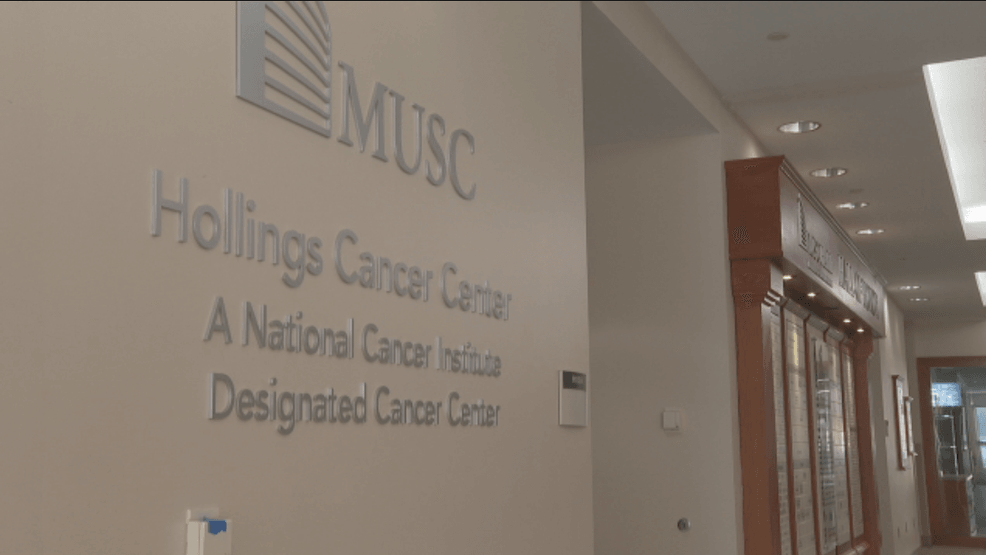
Researchers at the Hollings Cancer Center are making significant progress in the development of a new treatment for leukemia. This breakthrough is led by Sophie Paczesny, M.D., Ph.D., who serves as the principal investigator for this research and co-leader of the Cancer Immunology Program at the center. Her focus is on acute myeloid leukemia (AML), a type of cancer that has proven difficult to treat.
Paczesny shared her motivation for this work, explaining that she has witnessed patients lose their lives to leukemia. “This is the motivation,” she said. “We have now a marker on both the leukemic cell, which is like the seed, and also in the tumor microenvironment, which is like the soil. Both of them make the tumor grow faster. Our goal is to stop this loop.”
The newly developed immunotherapy targets both the leukemic cells and the surrounding environment that supports their growth. This dual approach is designed to disrupt the cycle that allows the cancer to spread more aggressively.
According to data from the American Cancer Society, there were approximately 22,010 new cases of AML in the U.S. in 2025, with around 11,090 deaths attributed to the disease. AML is the sixth most common type of cancer. Despite advancements in treatment, the options remain limited.
Currently, the only curative treatment available is bone marrow transplantation. However, this procedure comes with its own set of challenges, including the risk of graft versus host disease, a condition where the transplanted cells attack the patient's body.
Paczesny highlighted the need for a more effective treatment. “The treatment out there is chemotherapy based. There have been many discoveries regarding mutations in the leukemic cells, and we can now target these mutations. This has been a big improvement, but patients still do not get cured,” she explained. “The only cure is bone marrow transplantation, but it has its own complications.”
The research team has spent about eight years developing this new treatment, which uses a bispecific antibody and a dual targeting approach. This method is unique because it targets both the leukemic cells and the regulatory immune cells that help the cancer grow.
Despite the progress, there is still a long way to go before this treatment can be tested on human patients. Paczesny noted that additional testing is required before clinical trials can begin. She estimates that the entire research process will take between 10 to 12 years, with the first human trial expected within the next two years.
Paczesny emphasized that this research is not just important for AML patients but for everyone affected by cancer. “Cancer will affect all of us,” she said. “It’s not just leukemia patients; it affects all cancer patients. We all know someone who has been touched by cancer. This is a new treatment, and I think we care because we want a cure.”
The research is funded entirely by the National Institutes of Health, with a total investment of about $4 million. It is a collaborative effort involving four institutions: Indiana University, MUSC, Nemours Children’s Hospital in Florida, and Memorial Sloan Kettering in New York City.
This groundbreaking work represents a major step forward in the fight against leukemia. If successful, it could revolutionize the treatment landscape for patients suffering from this aggressive form of cancer.

Post a Comment for "MUSC Scientists Advance New Leukemia Immunotherapy"
Post a Comment