Mother Struggles with Postnatal Depression, Says She Had 'No Desire' for Her Baby
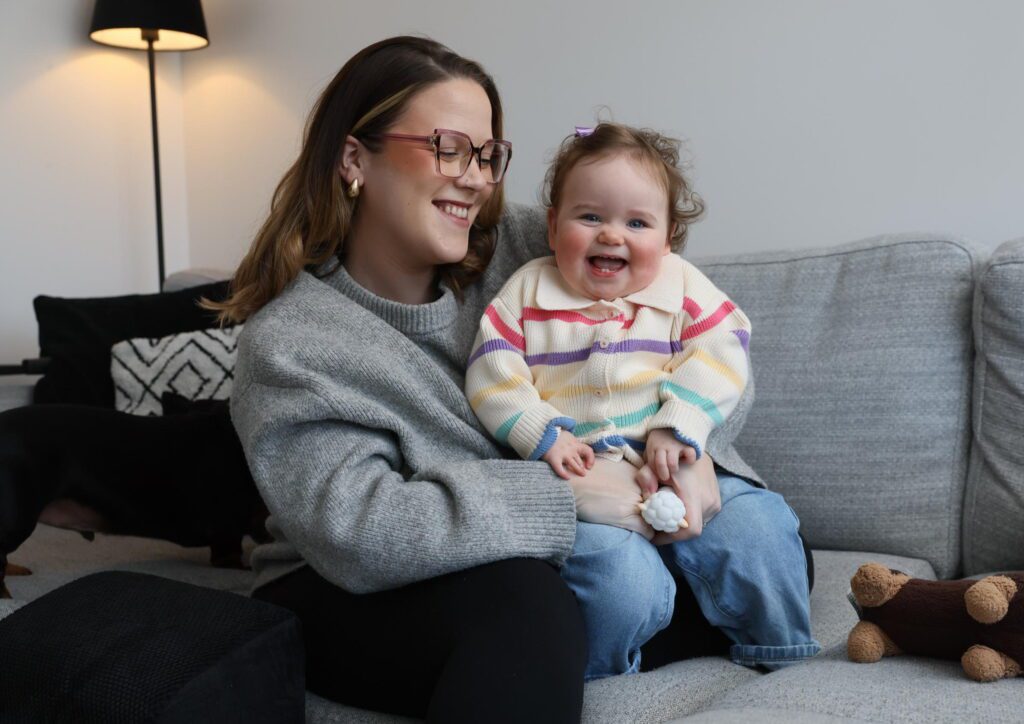
A Mother's Journey Through Postnatal Depression
Victoria Hewitt, a 30-year-old art teacher from Cambuslang, Scotland, never imagined that becoming a mother would lead her into a deep emotional struggle. She was excited to welcome her first child, Hallé Cassidy Hewitt, into the world. However, what began as a joyous moment quickly turned into a nightmare due to postnatal depression.
After experiencing a traumatic birth, Victoria found it difficult to connect with her newborn. The physical and emotional toll of the experience left her feeling like a "shell" of herself. She described the overwhelming sense of detachment from her baby, which made her feel as if she had lost control of her life. This emotional turmoil led to severe low moods, panic attacks, and even thoughts of self-harm.
Victoria recalls, "I felt like I was trapped in a nightmare. I was aware there would be a hormone shift after birth but I never thought it would take everything from me." She struggled with the idea that her baby didn’t belong to her, and the thought of being a mother became unbearable. Her husband, Paul, had to hide all the painkillers in the house because of her mental state.
Postnatal depression is more common than many realize, affecting over one in every 10 women within a year of giving birth. It can also impact fathers and partners, highlighting the importance of recognizing and addressing mental health challenges during this critical time.
For Victoria, the difficult birth played a significant role in triggering her condition. She needed an emergency C-section, and the complications meant that she and Hallé were separated immediately after the delivery. This lack of bonding time added to her feelings of isolation and despair.
The experience was so intense that Victoria was hospitalized less than a month after Hallé’s birth. Initially, she was reluctant to accept help, fearing that staying at the hospital would only make things worse. However, the support she received from the medical staff and the guidance from nursery teachers helped her begin to rebuild her relationship with her daughter.
Over time, Victoria started to feel more connected to Hallé. She learned how to bond with her baby and gradually regained her sense of self. One day, she realized that the cloud of depression had lifted, and she could finally see the light. She compared her journey to that of flamingos, who lose their pink color when they give everything to their babies, but eventually regain it. For Victoria, this metaphor symbolized her return to happiness and fulfillment as a mother.
Today, Victoria is proud to be the mother of 14-month-old Hallé and is even expecting her second child. Her journey has given her a new perspective on life and the importance of mental health. She hopes that by sharing her story, she can help break the stigma surrounding postnatal depression and encourage others to seek help.
Victoria emphasizes the pressure that new mothers often feel, especially when comparing themselves to others on social media. She recalls feeling isolated and thinking that something was wrong with her for not feeling the love and joy that others seemed to experience. However, after opening up about her struggles, she received messages from other parents who had similar experiences.
Her message is clear: no one should face postnatal depression alone. She believes that open conversations about mental health are essential in supporting mothers and preventing tragic outcomes. By sharing her story, Victoria hopes to inspire others to seek help and know that they are not alone in their struggles.

Post a Comment for "Mother Struggles with Postnatal Depression, Says She Had 'No Desire' for Her Baby"
Post a Comment