Missouri's Top Crops Confront New Incurable Diseases as Growing Season Begins
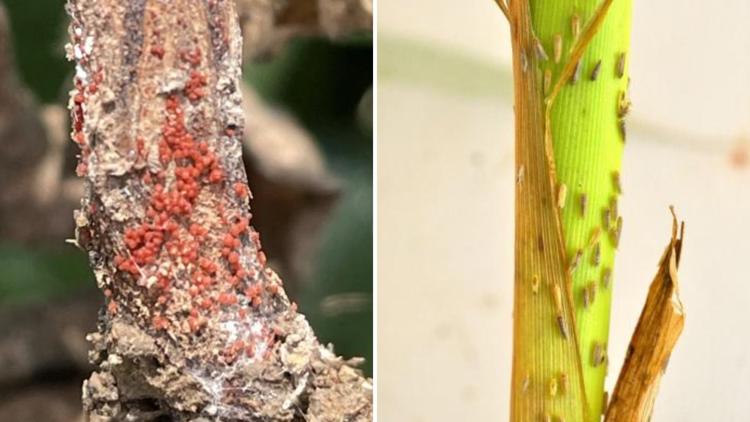
Emerging Threats to Missouri’s Agriculture
Missouri's agricultural sector is facing a growing crisis as two newly identified incurable diseases threaten the state's most valuable crops. These diseases, which have already been confirmed in 2024, could lead to significant economic losses and disrupt the state's farming industry. The primary cash crops, soybeans and corn, contribute over $5 billion annually to Missouri’s economy, making their vulnerability a major concern for farmers and officials alike.
The challenges are compounded by unusual weather patterns that have delayed planting across the state. Excessive rainfall has forced farmers to start planting later than usual, potentially increasing the risk of disease spread. As a result, symptoms of these diseases may not be visible until late summer or early fall, leaving little time for intervention.
Red Crown Rot: A Hidden Foe for Soybeans
One of the most alarming threats comes from red crown rot, a fungal disease that affects soybeans. This disease is particularly dangerous because it spreads through the soil and is difficult to detect and manage. Once established in a field, it can reduce soybean yields by up to 80% in severe cases.
According to Mandy Bish, a plant pathologist at the University of Missouri, there is currently no cure for red crown rot, and few effective management strategies exist. Soil containment is the only proposed solution, but this approach is impractical for most farmers. Bish emphasized that the responsibility of finding a long-term solution will likely fall on future generations of researchers and farmers.
Red crown rot was first identified in the United States in the 1960s in Georgia peanut crops. It was later confirmed in Illinois soybean fields in 2018 along the Mississippi River. In 2024, the disease made its way to Missouri, specifically in Marion and Audrain counties. However, Bish expects the fungus to spread further throughout the state.
"The soybeans that are infected with red crown rot look like other diseases we already know about," Bish explained. "By the time we see symptoms, it's often too late to take action."
Terry Schwoeppe, a member of the Missouri Soybean Commission, admitted he was unaware of the disease's confirmation in the state when recently questioned. Bish noted that farmers must begin scanning for signs of red crown rot as it becomes an emerging threat.
Corn Stunt: A New Challenge for Corn Farmers
In addition to red crown rot, Missouri’s second-largest cash crop, corn, is also under threat from corn stunt disease. Unlike red crown rot, this disease is caused by a bacterium carried by insects, specifically corn leafhoppers. Once the bacteria is injected into the corn, it cannot be controlled by traditional methods.
Bish explained that the impact of the disease depends on when the corn was planted. Crops that were planted earlier and are already tasseling may be less affected, while those planted later due to the rainy season could suffer significant damage. The disease has the potential to cause total yield loss, making early detection critical.
Corn stunt was first identified in 2024, and corn leafhoppers have since been found in three Missouri counties: Lawrence, Vernon, and Boone. According to the Crop Protection Network, the presence of these insects increases the risk of widespread infection.
The University of Missouri warns that symptoms of corn stunt include chlorosis and reddening of leaf tips. Affected plants may develop auxiliary buds and produce multiple ears with loose or missing kernels, ultimately leading to reduced yields.
Farmers are urged to begin scouting for signs of infection now, as once symptoms appear, there is no way to save the crop. The emergence of these two diseases highlights the urgent need for research, education, and proactive measures to protect Missouri’s vital agricultural industry.

Post a Comment for "Missouri's Top Crops Confront New Incurable Diseases as Growing Season Begins"
Post a Comment