Missouri Mental Health Leader to Merge with Tennessee Provider
The Merger of Brightli and Centerstone: A New Era in Behavioral Health
Brightli, a behavioral health provider based in Springfield, is set to merge with Centerstone, another nonprofit organization that operates across several southeastern states. If approved by regulators, this merger will establish the largest nonprofit behavioral health network in the United States. Both organizations anticipate the merger to be finalized in November, as they announced jointly.
The combined entity will operate through 360 locations across nine states, offering a broader range of services and resources to patients. The companies emphasize that patient care will remain unaffected during the transition. They also expect the merger to generate combined revenues exceeding $1 billion. However, the specific terms of the transaction have not been disclosed.
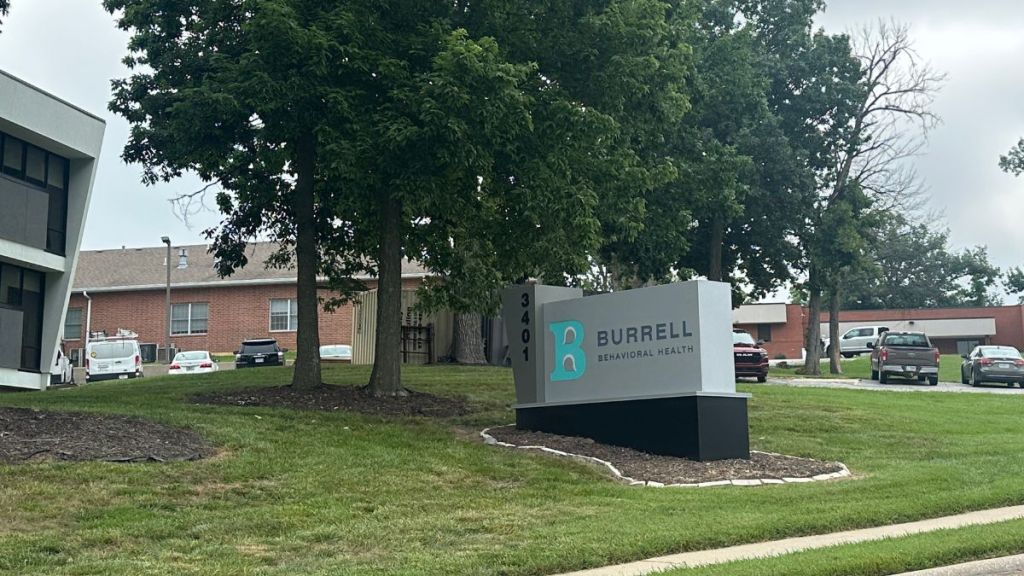
Both Brightli and Centerstone have a history of mergers and acquisitions. Brightli, which was formed in 2022 through the merger of Burrell Behavioral Health and Preferred Family Healthcare, has overseen 25 mergers within its network. This new partnership reflects a strategic move to enhance their ability to serve more individuals effectively.
Brightli now employs over 6,000 people at more than 220 locations across Missouri, Illinois, Indiana, Oklahoma, and Kansas. It serves as the parent company for several well-known Missouri-based providers, including Comprehensive Mental Health Services, Clarity Healthcare, and Southeast Missouri Behavioral Health.
Centerstone, on the other hand, is a nonprofit organization that provides mental health and substance use disorder services in Florida, Illinois, Indiana, North Carolina, and Tennessee. Over the past three decades, it has been involved in 20 mergers and currently employs over 4,300 people across 140 locations.
Addressing Workforce Challenges in Behavioral Health
Like many other sectors of healthcare, the behavioral health field is facing a significant shortage of workers. According to data from the Health Resources and Services Administration, there are 256 mental health professional shortage areas in Missouri and 110 in Kansas. These shortages are impacting the ability of providers to meet the needs of millions of Americans who live in areas lacking sufficient mental health professionals.
To address these challenges, companies are increasingly turning to mergers as a way to pool resources and improve service delivery. With the nationwide implementation of the 988 crisis hotline, Missouri is rethinking how it responds to individuals in crisis. Instead of relying on law enforcement or first responders, trained mental health specialists are now available to assist those in need.
This shift has placed additional pressure on mental health and substance use treatment providers to ensure they have enough staff to handle crises. As part of the 988 initiative, Missouri is expanding its behavioral health mobile crisis response network, which includes Brightli and its affiliates. State funding helps cover the costs of dispatching trained specialists to individuals in crisis.
Despite these efforts, significant gaps in coverage still exist. Data from the Substance Abuse and Mental Health Services Administration (SAMHSA) indicates that only 25 out of 246 behavioral health providers in Missouri offer treatment programs for opioid use. Additionally, 200 of the state’s 246 substance use treatment providers are run by private nonprofits, serving nearly 80% of patients statewide.
The Impact of Mergers on Behavioral Health Care
Experts believe that merging resources and expertise can help address some of these challenges. Chuck Ingoglia, president and CEO of the National Council for Mental Wellbeing, stated that such partnerships can expand access to care and set new standards for community-based mental health and substance use treatment.
By combining their strengths, Brightli and Centerstone are positioning themselves to deliver high-quality care more efficiently. This collaboration could lead to cost reductions and a more sustainable model for behavioral health services. As the demand for mental health support continues to grow, these kinds of strategic alliances may become increasingly important in meeting the needs of patients across the country.

Post a Comment for "Missouri Mental Health Leader to Merge with Tennessee Provider"
Post a Comment