Men: Why Cold Air Con Harms Female Colleagues
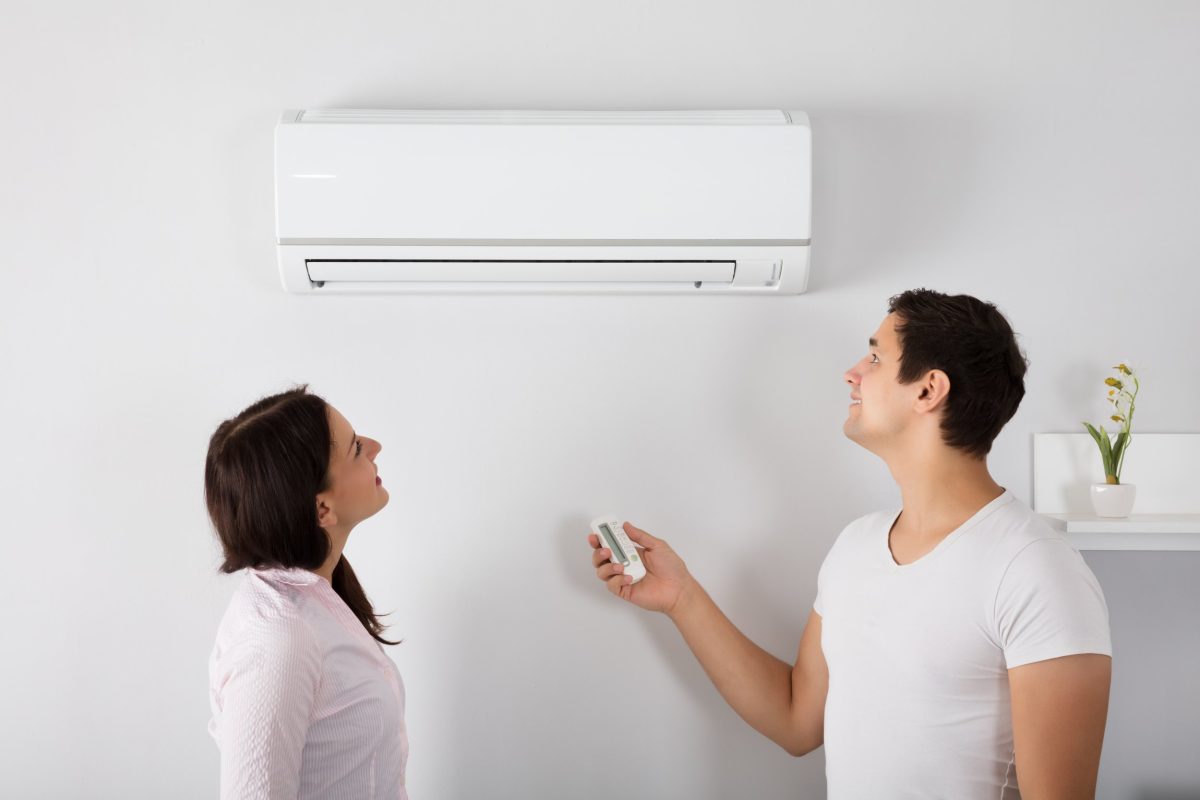
The Gender Divide in Office Temperature Preferences
As the summer of 2025 heats up, a familiar conflict is resurfacing: the battle over office temperatures. This ongoing struggle between men and women highlights a broader issue of how gender influences comfort levels in shared spaces. While there are exceptions, it's often observed that men prefer cooler environments than women, and this difference becomes especially apparent during the peak of the British summer.
Understanding the Physiological Differences
One key factor behind this disparity is the difference in body composition between men and women. Women generally have less muscle mass and a smaller overall body size compared to men. Muscle tissue plays a significant role in generating heat through metabolism, which is the process by which the body converts food into energy. This metabolic activity releases heat, helping to maintain the body’s normal temperature of around 37°C.
Dr. Boris Kingma, a thermal physiologist at the Netherlands Organisation for Applied Scientific Research, explains that while a gram of muscle from a man has the same metabolic rate as a gram from a woman, men typically have more muscle. This means that men naturally generate more heat, making them more comfortable in cooler environments.
Additionally, women’s smaller size contributes to greater heat loss. Smaller objects have more surface area relative to their volume, and this increased surface area leads to more heat being lost through thermal radiation. Dr. Kingma describes this as a “double whammy,” as women lose more heat through their skin, which can leave them feeling colder in the same environment where men might feel comfortable.
The Impact of Clothing Choices
Another reason women may feel the cold more acutely is related to clothing styles. In laboratory settings, women often report needing a temperature one to two degrees higher than men before they feel thermally comfortable. This is partly due to the types of clothing typically worn in office settings.
Office fashion tends to favor cooler clothing styles for women, such as strappy tops, floaty dresses, and summer sandals. These outfits, while suitable for warm weather, can leave women shivering when they sit in an office with a thermostat set to a chilly 19°C. This is particularly problematic during the summer months when the outside temperature is much higher.
The standard unit for measuring clothing warmth, known as 1 "clo unit," was originally based on a man wearing a three-piece suit, including a waistcoat. This outdated standard reflects historical assumptions about what is considered appropriate office attire. As Dr. Matt Maley, a physiologist at Loughborough University, notes, this standard doesn’t account for the diverse range of clothing choices women wear today.
Shifting Trends and Potential Solutions
While the current office temperature settings may favor men, there are signs of change. Some men are beginning to experiment with more casual styles, such as short-sleeved shirts or even shorts. If men feel more comfortable exposing their skin, it could lead to a shift in office temperature settings, allowing the thermostat to be adjusted slightly higher.
This shift could benefit women, who often find themselves in uncomfortable conditions due to the existing temperature settings. By embracing more casual dress codes, offices may create a more inclusive environment that accommodates the needs of all employees.
In conclusion, the gender divide in office temperature preferences is rooted in physiological differences and outdated design standards. Addressing these issues requires a reevaluation of how we approach workplace comfort, ensuring that all employees can work in an environment that suits their needs.

Post a Comment for "Men: Why Cold Air Con Harms Female Colleagues"
Post a Comment