Medicaid Budget Cuts Threaten Rural Health in South Dakota
Concerns Over Medicaid Cuts and Their Impact on Rural Health Care
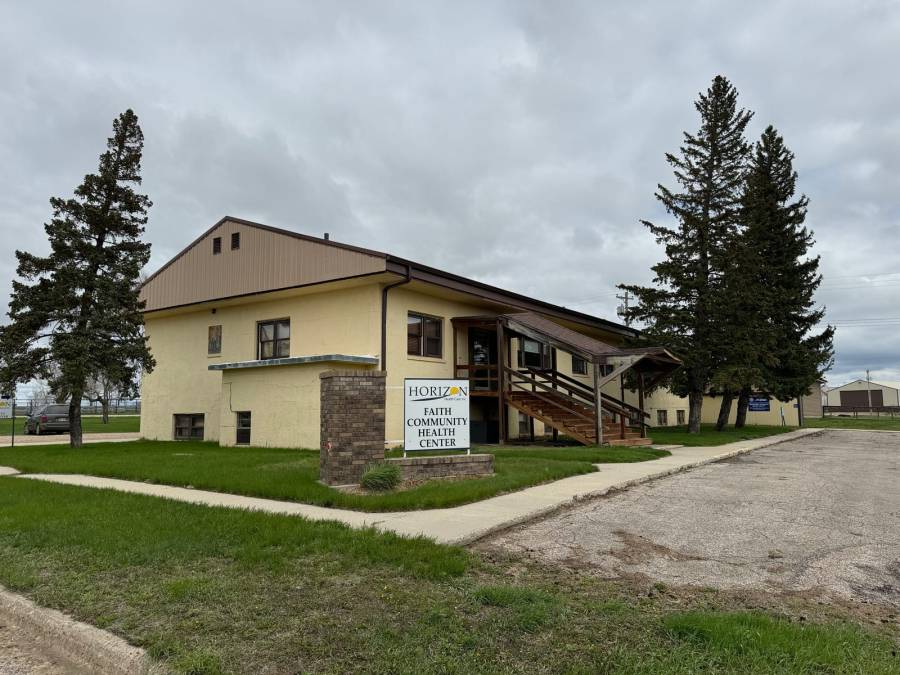
Wade Erickson, CEO of Horizon Health in South Dakota, is not looking to sound alarmist. However, he has significant concerns about the potential consequences of the Medicaid cuts included in the recent federal budget law signed by President Trump. These changes could have a profound impact on the health of South Dakotans, especially those living in rural areas.
Horizon Health serves a vast region covering 28,000 square miles of the state. Each year, approximately 26,000 patients receive care through 80,000 appointments at 27 clinics, dental offices, and mental health centers across the state. While the exact details of the Medicaid cuts remain unclear, early projections suggest that the law will reduce federal aid to healthcare by $1 trillion over the next decade.
The nonpartisan Congressional Budget Office estimates that this legislation could remove 12 million Americans from Medicaid enrollment, primarily due to new work requirements. For Erickson, these changes pose two major threats to rural health care.
First, individuals who lose Medicaid coverage may be unable to afford medical care, leading them to delay or avoid necessary treatments. This could result in more severe health issues and potentially even preventable deaths. “If people are afraid to access health care because they can’t afford it, or they stop taking care of their wellness and chronic conditions, there’s a very good chance that it could lead to people being more sick,” Erickson said.
Second, health providers like Horizon, which often operate on tight or even negative profit margins, could face reduced revenue. About 65% of Horizon’s annual budget comes from federal funding, with roughly 20% from Medicaid. The program sometimes does not cover the full cost of treatments, leaving providers to cover the difference.
As a federally qualified health center, Horizon cannot turn away any patients. If fewer people have Medicaid coverage, the organization may need to rely on sliding-scale payments or provide services without reimbursement. This situation could lead to increased uncompensated care, making it harder to maintain essential services in rural communities.
Erickson acknowledges that many details about the Medicaid cuts remain uncertain. However, he is concerned that the reductions could place both patients and providers in difficult positions. “We already have patients who choose whether to get groceries or get their prescriptions,” he said. “It’s going to land on the most vulnerable people out there.”
Goals of the Legislation
The goal of the new budget law, according to President Trump and Republican leaders in Congress, is to reduce fraud and waste in the Medicaid program. They argue that the changes will ensure that Medicaid serves its intended purpose: supporting pregnant women, people with disabilities, and children.
Cuts to some programs were necessary to fund other priorities, such as increasing immigration enforcement, boosting defense spending, and providing tax cuts. A $50 billion fund was created to help rural hospitals offset revenue losses. However, the nonpartisan KFF research institute estimates that Medicaid spending in rural areas will fall by $155 billion under the new legislation.
Medicaid in South Dakota
In South Dakota, Medicaid provides medical, dental, vision, and pharmaceutical insurance coverage for qualifying low-income adults and children. In 2024, the program cost about $1.65 billion, with the state paying 40% and the federal government covering 60%. Enrollment and costs have risen significantly since July 2023, when expanded guidelines were approved by voters.
By June 2025, approximately 144,300 people were enrolled in Medicaid, including 78,500 children and 65,800 adults. The program’s monthly cost was $155.5 million.
While the Medicaid cuts will affect all health care providers in the state, rural areas are likely to experience more severe impacts. Providers in these regions have fewer options to adapt to changes, making them more vulnerable to financial and operational challenges.
Long-Term Care Industry Concerns
The long-term care industry in South Dakota is also worried about the effects of the new budget law. Mark Deak, executive director of the South Dakota Health Care Association, noted that many facilities, particularly in rural areas, have faced financial difficulties in recent years. About 10% of nursing homes closed during the early 2020s.
Although the bill does not directly cut long-term care funding, anticipated reductions in Medicaid could strain facilities that rely heavily on Medicaid reimbursements. On average, these facilities receive 54% of their income from Medicaid. This could lead to revenue challenges, especially in rural areas where workforce shortages and higher costs are already pressing issues.
Another aspect of the legislation could further complicate matters. It shortens the time period for processing and reimbursing new residents, potentially making it less likely for facilities to accept low-income patients.
Despite these challenges, the bill includes one positive change for long-term care facilities. It pauses a federal staffing level requirement that would have forced South Dakota facilities to hire 300 additional nurses, a directive that many found impractical given the current workforce shortages.
Preparing for the Unknown
Brian Williams, CEO of Winner Regional Health, says it is too early to know how the Medicaid cuts will affect his facility and patients. However, he is closely monitoring developments and preparing for potential challenges.
Winner Regional Health, which operates a hospital, clinic, and long-term care facility in Tripp County, has already had to make tough decisions due to revenue issues. In February, the facility ended its birthing services, forcing expectant mothers to travel an hour or more for care.
Erickson plans to reach out to members of Congress to advocate for changes to the Medicaid cuts. “That’s why we really have to tell our story of the impact of what it’s going to do to people across the country, and in our case, the people of South Dakota.”

Post a Comment for "Medicaid Budget Cuts Threaten Rural Health in South Dakota"
Post a Comment