Kolkata Scientists Transform Potato and Fungi into Protein Power for Indians
The Protein Paradox in India
India, one of the world's largest producers of legumes and other protein-rich crops, faces a surprising challenge: a significant portion of its population is protein-deficient. A recent survey by the Indian Market Research Bureau revealed that 73% of Indians do not consume enough protein, with only about 10% meeting the daily dietary requirement. This issue is not just a matter of nutrition; it's deeply intertwined with economic, cultural, and infrastructural factors.
A Revolutionary Approach to Protein
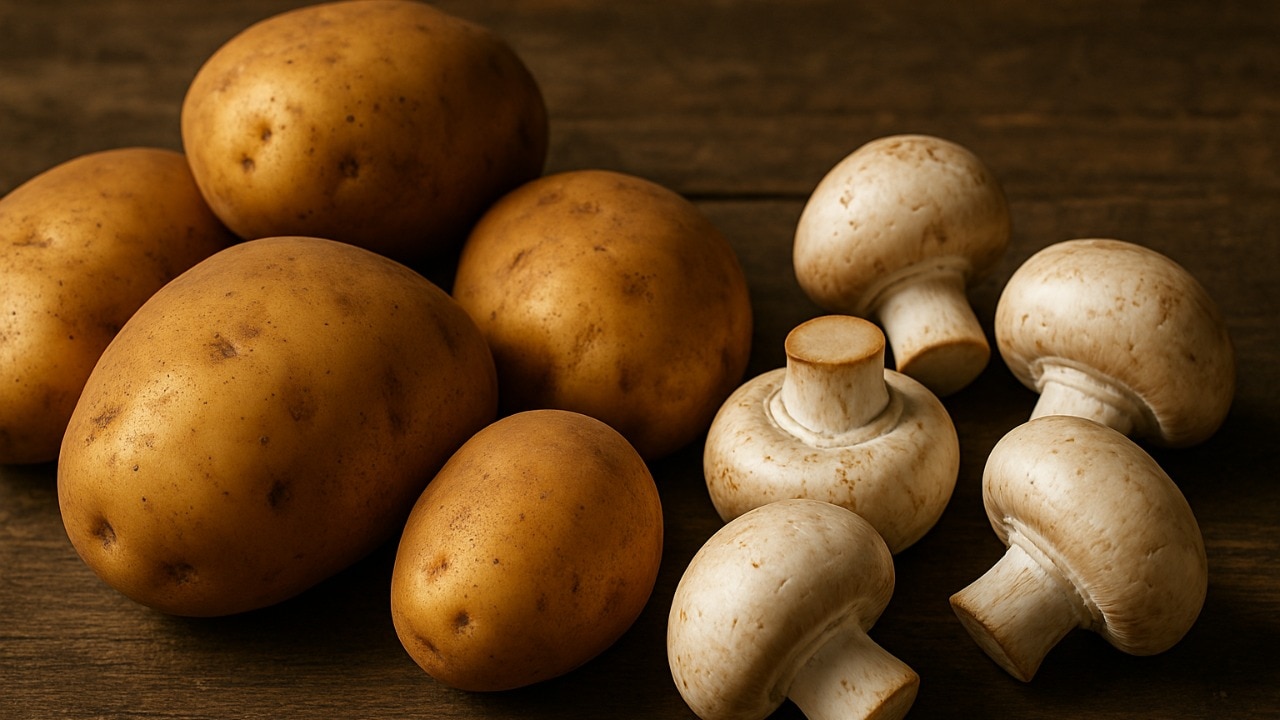
A team of scientists in Kolkata might be on the verge of a breakthrough. At the Food Technology and Science Institute (FTSI) under TCG CREST, researchers are developing plant-based proteins from potatoes and fungi that could revolutionize how India meets its nutritional needs. These proteins have absorption scores that rival, and even exceed, those of meat and imported soy isolates. Their work has the potential to reduce India's reliance on expensive protein imports like pea and soy, which are primarily sourced from China.
Why India Needs New Protein Solutions
India's protein crisis is a paradox. While the country grows a wide range of protein-rich crops, the bioavailability—how well the body can absorb these proteins—remains a major challenge. Dr. Parthasarathi Bhattacharya, head of FTSI, explains that the main reasons for this deficiency include insufficient consumption of protein-rich foods, difficulty in absorbing plant-based proteins, and the high cost of animal protein for many people.
This gap is especially critical for vegetarians, who make up more than 50% of the population, and for others who cannot afford animal-based protein sources regularly. Even within staple vegetarian foods like dals and pulses, bioavailability is low. "India is importing a major chunk of pulses, but the challenge is that we are not able to absorb 100% of the protein present in them," Dr. Bhattacharya notes.
A New Era of Protein: Potatoes and Mycoproteins
At FTSI's state-of-the-art research facility, the team is rethinking how we approach protein. Their biggest breakthrough involves using two unconventional sources: potatoes and fungi. "We use fungi because it's very easy to grow in a controlled environment. We are trying to bring in some of the high-protein mushrooms, not for extraction purposes, but in the form of tofu or paneer-like shapes."
These high-protein fungal foods will not be harvested traditionally but created via solid-state fermentation in bioreactors, offering cleaner, scalable, and more controlled production environments. Meanwhile, potatoes, a commonly available and underutilized crop, are proving to be a protein powerhouse. "Potato is one of the second-largest vegetable crops in the country. There's a high potential to convert this potato into a milk format," says Dr. Bhattacharya. "The protein present in potato is extremely good, with a conversion ratio as good as meat."
FTSI is already experimenting with potato-based milk and ice creams that are high in protein and appeal to modern consumers looking for indulgence without guilt.
Bioavailability, Postbiotics, and Smart Nutrition
One of the biggest hurdles with plant proteins is absorption. FTSI's solution goes beyond extraction. They're working on ways to make proteins more bioavailable through probiotic and postbiotic enhancements, essentially engineering food that works with your gut. Postbiotics are the beneficial compounds produced when probiotics (the "good" bacteria in your gut) digest and break down food or ferment fibers in your intestine.
"We make those proteins bioavailable using different probiotic bacteria. We also use postbiotics and some dietary fibers that help these probiotic bacteria attach to the gut," explains Dr. Bhattacharya. The team is also applying artificial intelligence (AI) to study how gut microbes produce helpful molecules under different conditions. "We are initiating our work on the application of AI and machine learning (ML) in postbiotic molecule identification and development."
This intersection of biotechnology, food science, and AI is where the institute believes the next generation of nutrition will emerge.
Towards a Home-Grown Protein Industry
The economic implications of this research are profound. Currently, India imports nearly 70% of the protein isolates used in supplements and functional foods, mainly from China, Australia, and Canada. This not only drives up prices but leaves the domestic market dependent and vulnerable.
"There are not too many large-scale protein manufacturers. It comes mostly from China, so this is an opportunity for an industry to enter into large-scale protein manufacturing other than whey protein," Dr. Bhattacharya notes. His team is already developing products like vegan protein bars, no-sugar shakes, fiber-enriched gummies, and even protein-rich kulfis that combine indulgence with nutrition.
"Even if there are some indulgent foods like ice cream, we want to remove the fear that it's not good for our health. So the theme is you take more of this ice cream, and you become healthier."
A Vision for the Future
The team isn't just developing lab experiments; they're creating a pipeline for commercially viable, nutritious foods made in India, for Indians. Backed by the TCG Group, Dr. Bhattacharya and his team are working to turn these innovations into consumer products, making GMP prototypes that could change the game for India's protein future.
With Indian diets already rich in fiber, the addition of high-performance, bioavailable proteins could create balanced, functional foods suited to Indian palates and lifestyles. In a country grappling with nutrition inequality, rising lifestyle diseases, and a population that's both price- and health-conscious, the answer might just be sitting in our potato baskets and mushroom trays, transformed not by tradition, but by science.

Post a Comment for "Kolkata Scientists Transform Potato and Fungi into Protein Power for Indians"
Post a Comment