Juul Allowed to Sell Tobacco and Menthol E-Cigs, FDA Rules
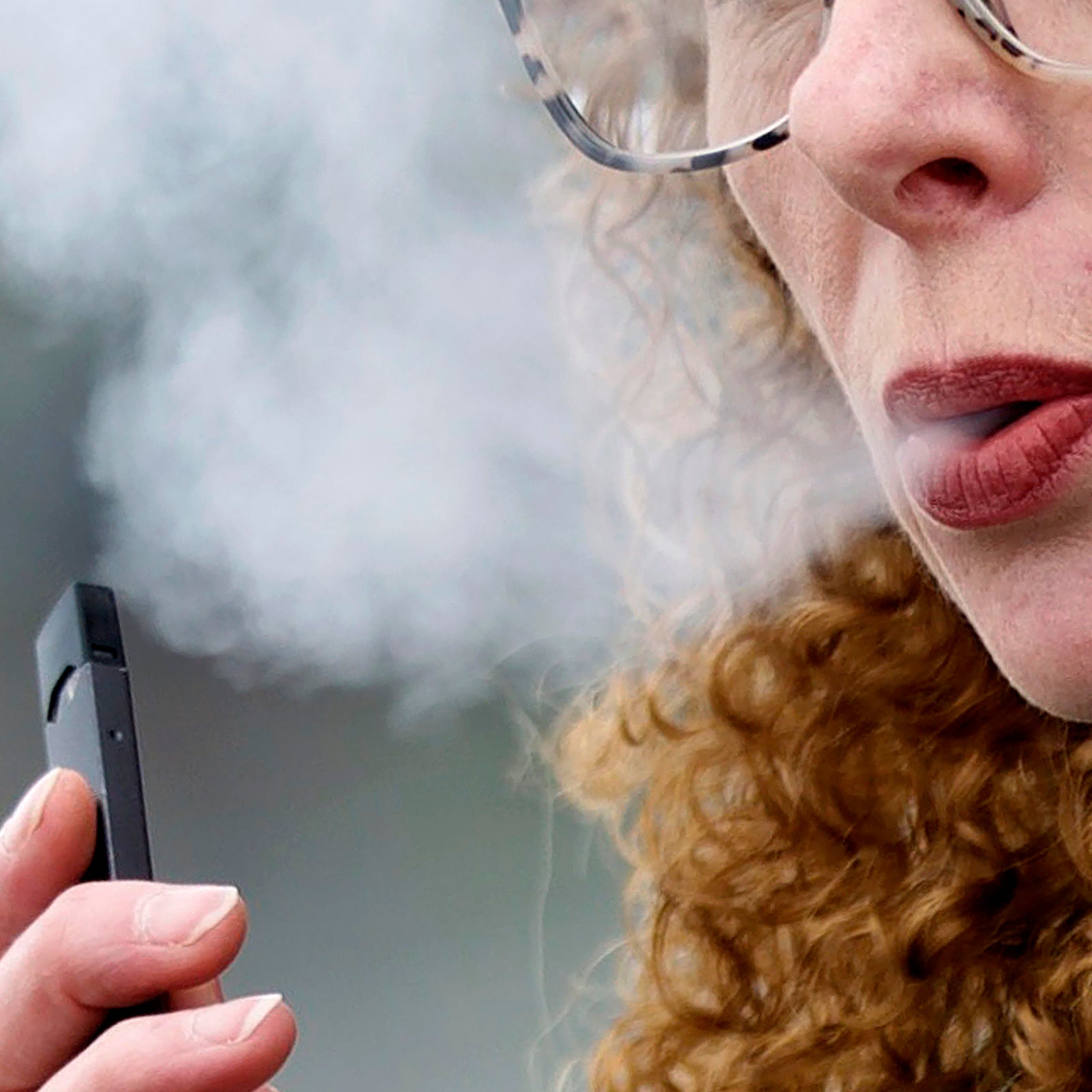
Juul's Vaping Products Remain on the Market Following FDA Decision
The U.S. Food and Drug Administration (FDA) has decided that Juul, a popular vaping brand, can continue to sell its electronic cigarettes. This decision marks a significant moment for the company, which has faced intense scrutiny over the years due to concerns about its role in the rise of youth vaping.
According to the FDA, Juul’s products are considered less harmful for adult smokers who choose to switch entirely to vaping. The agency emphasized that these e-cigarettes could help reduce exposure to harmful substances found in traditional tobacco products. The approval includes both tobacco- and menthol-flavored versions of Juul’s reusable devices, which use nicotine-filled cartridges available in two different strengths.
Juul previously removed several fruit and candy flavors from the market, which were popular among teenagers but also contributed to the company's widespread appeal. Now, Juul is one of only two U.S. companies authorized to sell menthol-flavored vapes, a product many adults prefer over the tobacco flavor.
“This is an important milestone for the company and I think we made a scientifically sound case for the role that menthol can play in e-vapor,” said Juul CEO K.C. Crosthwaite in a statement to The Associated Press.
However, the decision has drawn criticism from various groups, including parents, politicians, and anti-tobacco organizations. These critics argue that Juul should be permanently banned due to its role in the surge of underage vaping. Yolonda Richardson, CEO of the Campaign for Tobacco-Free Kids, stated that the FDA’s decision is “a big step in the wrong direction.”
Juul was once valued at over $13 billion, and its sleek, small devices helped redefine the vaping industry. However, the company has since faced numerous challenges, including job cuts and billions in legal settlements related to its role in the youth vaping epidemic.
In June 2022, the FDA initially ordered Juul to remove its products from the market. But after legal pressure from the company, the agency reversed its decision and reopened its review of Juul’s application. At the time, the FDA had raised concerns about potentially harmful chemicals in Juul’s products and insufficient data submitted by the company.
Juul argued that regulators overlooked thousands of pages of scientific evidence critical to their submission. It is important to note that the FDA’s recent announcement does not constitute an endorsement of Juul’s products. Instead, it indicates that adult smokers who switch completely to Juul may experience reduced exposure to harmful substances found in traditional cigarettes.
The FDA’s decision applies to Juul’s original system, which has been on the market for nearly a decade. The company hopes to gain authorization for its next-generation device and is considering applying for additional flavors in the future.
Juul’s Path from Launch to Legal Challenges
Juul was created by two Stanford University students and launched in 2015. Within two years, it became the leading brand in the vaping market, outpacing older competitors with high-nicotine, fruity-flavored cartridges. Its compact, user-friendly devices offered a more convenient alternative to bulkier models.
However, the company’s rapid growth was fueled by underage use, leading to e-cigarettes becoming common in schools across the U.S. In 2019, Juul was forced to stop all advertising and eliminate most of its flavors, leaving only tobacco and menthol options.
By then, the company was already facing multiple investigations and lawsuits from federal, state, and local officials, as well as class-action attorneys. In 2022, Juul paid $1.7 billion to settle thousands of lawsuits brought by families of users, school districts, city governments, and Native American tribes. The company also agreed to pay $1.1 billion to settle lawsuits or investigations from most U.S. states.
Today, Juul is no longer the top-selling e-cigarette brand, trailing behind Vuse, which is owned by Reynolds American. According to recent federal data, teen vaping has dropped to a 10-year low, partly due to increased enforcement against unauthorized brands like Elf Bar.
Unlike Juul, disposable e-cigarettes such as Elf Bar still come in fruit and candy flavors, despite regulatory efforts to curb their use.

Post a Comment for "Juul Allowed to Sell Tobacco and Menthol E-Cigs, FDA Rules"
Post a Comment