Inhaled Sedative Proves Safe and Effective for Children on Ventilators
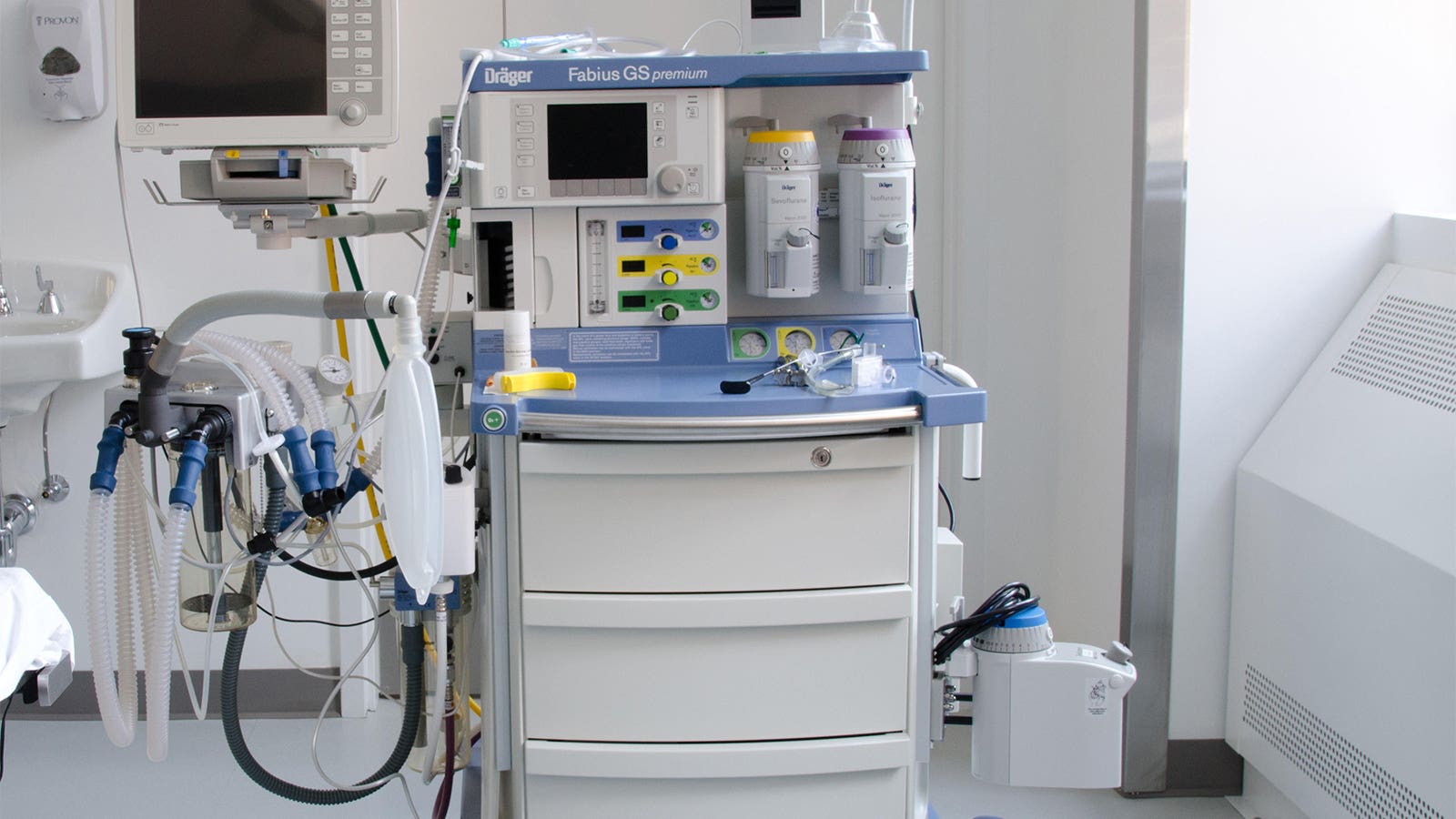
New Study Compares Inhaled and IV Sedation for Children in ICU
A recent study comparing inhaled isoflurane sedation with intravenous midazolam for children in the intensive care unit (ICU) found that both methods were equally effective in maintaining adequate sedation levels. The findings from the IsoCOMFORT randomized trial, led by Pierre Tissieres, MD, DSc, of Bicêtre Hospital in Paris, suggest that inhaled isoflurane may be a viable alternative to midazolam for pediatric patients on mechanical ventilation.
In the study, children aged 3 to 17 years received either inhaled isoflurane or IV midazolam. The average proportion of time spent in the prescribed sedation range without needing additional sedation was 68.94% for isoflurane and 62.37% for midazolam. These results met the noninferiority criteria, indicating that isoflurane is at least as effective as midazolam.
The benefits of isoflurane extended beyond sedation levels. Patients receiving isoflurane experienced a shorter time to extubation and a more predictable delay after stopping sedation. Additionally, there was a reduction in opioid consumption compared to those receiving midazolam. Despite midazolam being the only sedative labeled for continuous use during mechanical ventilation in pediatric ICU patients, the researchers concluded that isoflurane could serve as a safe and effective alternative.
Importance of Improving Sedation Practices
Sedation in critically ill children remains a challenge, with studies showing that undersedation and oversedation are common. A systematic review of 15 pediatric studies revealed that 10.6% of observations involved undersedation, while 31.8% involved oversedation. Both conditions can lead to serious clinical consequences, making it crucial to improve sedation efficacy and ensure that children spend more time in an adequately sedated state.
The IsoCOMFORT trial’s results have already influenced clinical practice in Europe, where isoflurane has been approved as a first-line sedative for pediatric use based on the study findings. However, some experts argue that further research is needed to determine which patient groups would benefit most from isoflurane and whether it should be used as a first-line treatment or reserved for difficult-to-sedate patients.
Trial Design and Key Findings
The phase III noninferiority trial included 96 children aged 3 to 17 years across 19 pediatric ICUs in Spain, France, Germany, and the U.K. Participants were randomly assigned to receive either inhaled isoflurane or IV midazolam in a 2:1 ratio. The assignment was stratified by age group, type of admission (planned or unplanned mechanical ventilation), and country.
Sedation depth was monitored using the COMFORT-B scale, with dosing adjusted every two hours. The primary endpoint analysis included 92 participants who received at least six hours of the allocated sedative and had three masked COMFORT-B assessments. No crossovers occurred during the trial.
Isoflurane was associated with lower opioid requirements, with a least squares mean dose of 2.1 μg/kg IV fentanyl equivalents per hour compared to 4.6 μg/kg per hour for midazolam. Additionally, isoflurane reduced the median time to extubation, although the trial noted slightly more serious adverse events in the isoflurane group (31% vs. 24%).
Limitations and Future Research
Despite the promising results, the study had several limitations. The trial initially aimed for a superiority design but had to switch to noninferiority due to challenges in recruitment during the COVID-19 pandemic. Additionally, children younger than three years were excluded due to concerns about potential psychomotor side effects with prolonged use.
The researchers acknowledged that the short duration of treatment might have contributed to the positive outcomes, suggesting that future studies are needed to evaluate the safety and efficacy of isoflurane in younger children and those requiring longer sedation periods.
Funding and Conflicts of Interest
The IsoCOMFORT trial was funded by Sedana Medical. Dr. Tissieres disclosed financial relationships with Sedana Medical and other pharmaceutical companies, including Paion, Baxter, Thermo Fisher Scientific, bioMerieux, Sanofi, and Viatris. Co-authors also reported employment or honoraria from Sedana Medical, with one disclosing a relationship with Baxter Acute Therapies. The accompanying commentary authors, Maria Cristina Mondardini and Angela Amigoni, had no conflicts of interest to disclose.

Post a Comment for "Inhaled Sedative Proves Safe and Effective for Children on Ventilators"
Post a Comment