Immigration Crackdown Threatens Bird Flu Response, Experts Warn
The Impact of Immigration Policies on Bird Flu Response
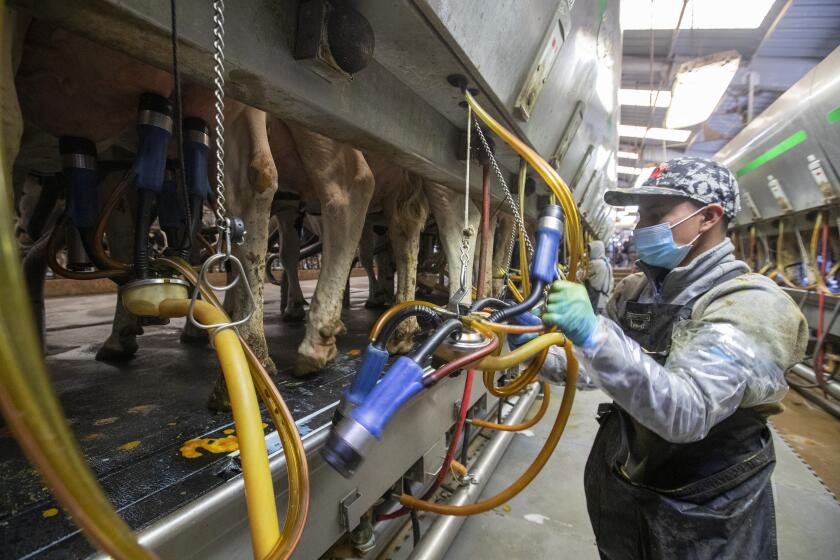
As the fall season approaches, public health officials and infectious disease specialists are preparing for a potential resurgence of bird flu cases. However, concerns have been raised about how the current immigration policies may affect efforts to control the spread of the virus. This is particularly relevant given the significant role that undocumented workers play in the dairy and poultry industries, where many of the recent H5N1 infections have occurred.
According to data from the U.S. Centers for Disease Control and Prevention (CDC), 65 out of the 70 confirmed H5N1 infections have been among dairy and poultry workers since the virus was first detected in U.S. dairy cows in March 2024. These workers often come from immigrant communities, and many may have entered the country illegally. This has led to fears that the current administration’s approach to immigration enforcement could discourage these workers from seeking medical help or cooperating with health authorities during an outbreak.
Angela Rasmussen, a virologist at the University of Saskatchewan’s Vaccine and Infectious Disease Organization, highlighted this concern. She noted that many workers are likely to avoid interaction with government agencies due to fear of deportation. "Most dairy and poultry workers, regardless of their immigration status, are in no way going to be like, 'hey, government, yeah, of course, check me out, I think I might have H5N1,'" she said. Instead, they may remain quiet to avoid any potential consequences.
The U.S. Department of Agriculture and the California Department of Public Health have not responded to requests for comment. However, some programs have been implemented to encourage worker testing, such as offering $25 gift cards to those who agree to be tested. Personal protective equipment is also being provided to farmers and workers.
Despite these efforts, critics argue that the Trump administration’s policies on immigration enforcement could hinder disease reporting. A spokesperson for the Health and Human Services Administration stated that the administration's approach to immigration enforcement is lawful and that there is no evidence to support claims that it suppresses disease reporting.
Public health officials emphasize that the risk of H5N1 infection to the general public remains low. However, individuals working with livestock and wild animals are considered to be at higher risk. In response to concerns, the Trump administration paused immigration arrests at farms, hospitals, and restaurants last month but later reversed its decision. Agriculture Secretary Brooke Rollins stated that there are enough American workers to perform farm labor and that there would be "no amnesty" for undocumented farmworkers.
Jennifer Nuzzo, director of the Pandemic Center at Brown University, outlined two major risks associated with the administration’s crackdown. First, if workers are too afraid to report symptoms or get tested, it could delay treatment and increase the risk of severe outcomes. Second, the lack of cooperation could reduce the chances of detecting a pandemic early, which is critical for preventing the virus from becoming easily transmissible between humans.
Recent events, such as the arrest of eight undocumented workers at a Vermont dairy, have sent shockwaves through the industry. These raids have created a sense of fear among workers, potentially affecting their willingness to seek medical care or participate in testing.
Despite these challenges, some dairy farmers believe the state is better prepared than it was last year. Anja Raudabaugh, chief executive of Western United Dairies, noted that occupational health clinics and rural clinics now have access to testing equipment, and anti-viral medications like Tamiflu are available to protect workers and their families.
However, not all farmers share this optimism. Raw Farms dairy owner Mark McAfee expressed concern over the impact of ICE raids on his workers, many of whom are foreign-born. He emphasized that even legal workers are not safe from immigration enforcement, which creates uncertainty and fear within the community.
Experts warn that the risk of another bird flu outbreak is high, especially as migrating birds begin to congregate in fields and around lakes. Maurice Pitesky, a poultry expert at UC Davis, noted that the number of waterfowl in California will increase significantly by late fall, increasing the likelihood of virus transmission.
Since the virus reappeared in North America in late 2022, it has spread rapidly, infecting various species, including poultry, wild birds, and mammals. In 2024, a new variant of the virus sparked an outbreak in dairy cows and other animals. Andrew Ramey, director of the Molecular Ecology Lab at the U.S. Geological Survey, warned that the virus could return in a more virulent form, prompting continued vigilance.
As the fall season approaches, public health officials and agricultural leaders are closely monitoring the situation, aware that the interplay between immigration policy and disease control will play a crucial role in determining the outcome of the bird flu threat.

Post a Comment for "Immigration Crackdown Threatens Bird Flu Response, Experts Warn"
Post a Comment