Immigration crackdown risks hindering bird flu response, experts warn
Understanding the Risks of Bird Flu and Immigration Policies
As the fall season approaches, public health officials are on high alert for a potential resurgence of bird flu cases. This concern is heightened by the ongoing discussions surrounding the Trump administration's policies on immigration enforcement. Experts in infectious diseases have raised concerns that these policies could hinder efforts to control the spread of the virus.
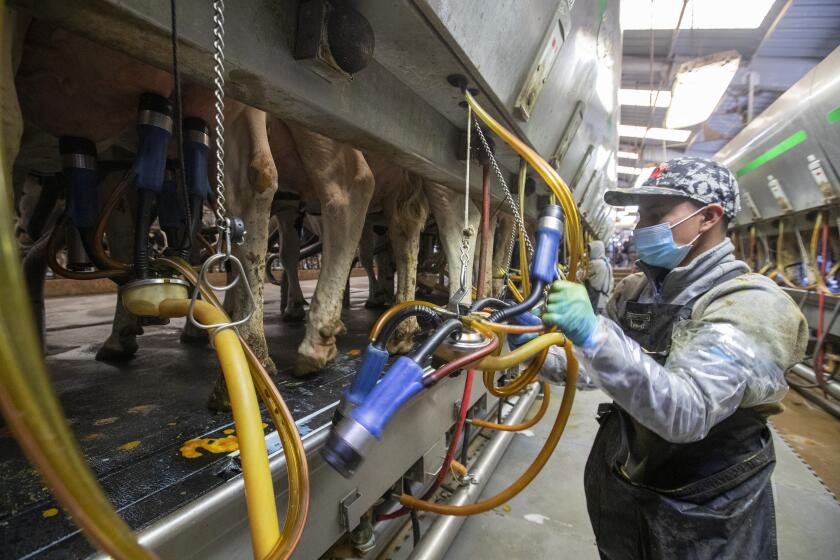
Dairy and poultry workers have been significantly affected by the H5N1 bird flu since its detection in U.S. dairy cows in March 2024. According to the U.S. Centers for Disease Control and Prevention, out of the 70 confirmed infections, 65 were among these workers. Given the nature of agricultural work, many of these individuals are immigrants, with both industry groups and academics suggesting that some may have entered the country illegally. This situation poses challenges for public health initiatives, as workers may be reluctant to cooperate with health investigations due to fears of deportation.
Angela Rasmussen, a virologist at the University of Saskatchewan’s Vaccine and Infectious Disease Organization, emphasized that most workers, regardless of their immigration status, would not readily seek out government assistance if they suspect they have H5N1. Instead, they might choose to remain silent to avoid any potential consequences related to their legal status.
The U.S. Department of Agriculture has not responded to requests for comment on this issue. Similarly, the California Department of Public Health, which has been actively involved in worker testing and safety, has offered $25 gift cards to workers who agree to be tested and provided personal protective equipment to farmers and workers.
A spokesperson for the Health and Human Services Administration stated that it is inappropriate to suggest that the Trump administration's immigration enforcement approach suppresses disease reporting. They highlighted the real work being done by the agency to address these issues.
Public health officials maintain that the risk of H5N1 infection to the general public remains low. However, individuals working with livestock and wild animals are considered to be at higher risk. The Trump administration paused immigration arrests at farms, hospitals, and restaurants last month, but later reversed this decision. Agriculture Secretary Brooke Rollins emphasized that there are plenty of able-bodied Americans available for farm labor and that there would be "no amnesty" for undocumented farmworkers.
Jennifer Nuzzo, director of the Pandemic Center at Brown University, outlined two major risks associated with the administration's crackdown. First, dairy and poultry workers, who are on the front lines of the virus, may be too afraid to report symptoms or get tested, increasing the risk of severe outcomes. Second, the crackdown could reduce the likelihood of detecting a pandemic in its early stages.
In the spring, eight undocumented workers at a Vermont dairy were arrested, with four ultimately deported. These raids sent shockwaves through the New England dairy industry and served as a warning to other dairies that no place is safe.
Anja Raudabaugh, chief executive of Western United Dairies, stated that dairy farmers are not worried about bird flu, emphasizing that measures are in place to protect workers and prevent the rapid spread of disease. From a public health perspective, she noted that the state is better positioned than it was last year, with improved access to testing equipment and anti-viral medications like Tamiflu.
While the dairy trade group does not object to the immigration crackdown, some dairy farmers express concerns about the impact of ICE raids. Raw Farms dairy owner Mark McAfee mentioned that he and his neighboring farmers are "freaked out" by the raids and want no part of them. He expressed worries about the virus returning and the potential for immigration agents to seize his workers.
Experts believe that the risk of another large outbreak of bird flu is likely as migrating birds congregate in fields and around lakes later this year. Waterfowl, such as ducks and geese, are considered primary carriers of the virus. Since the virus reappeared in North America at the end of 2022, new variants and widespread outbreaks have followed the migrating birds.
Andrew Ramey, director of the Molecular Ecology Lab at the U.S. Geological Survey's Alaska Science Center, mentioned the possibility of the bird flu returning in a more virulent form. He noted that public health officials are bracing for what might happen this fall.

Post a Comment for "Immigration crackdown risks hindering bird flu response, experts warn"
Post a Comment